vapor recovery
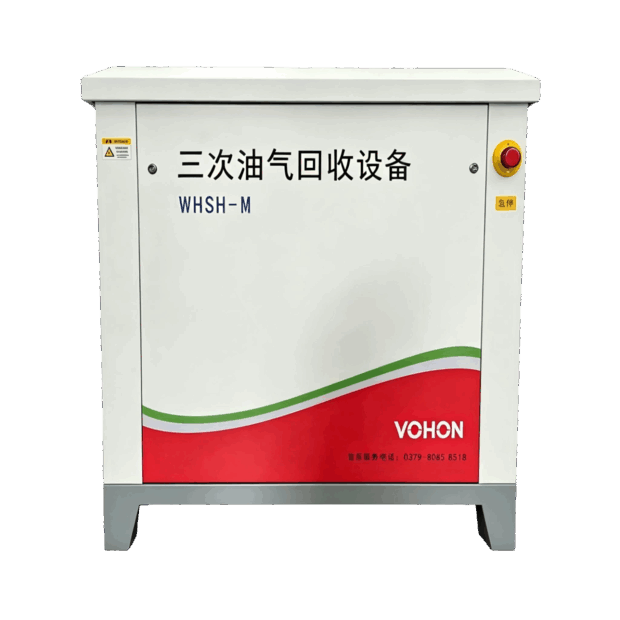
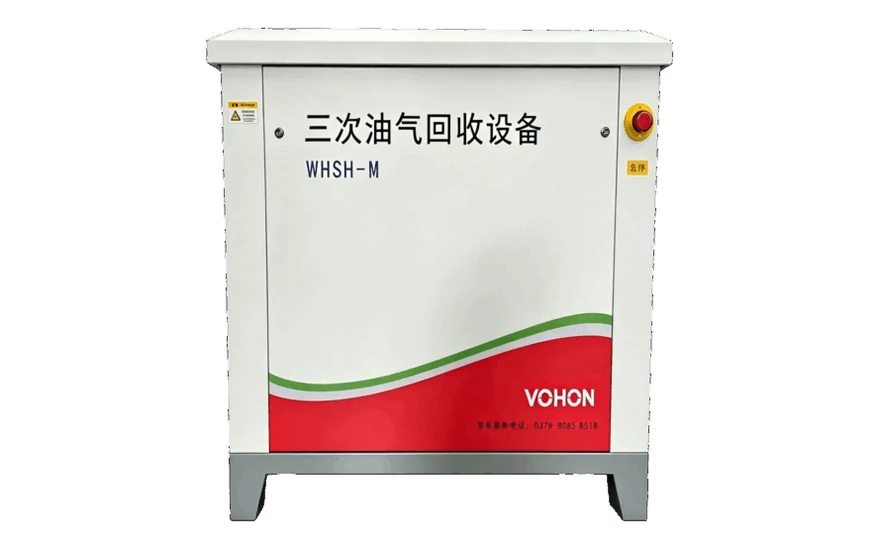
How to determine the processing capacity of an oil and gas recovery device?
The processing capacity is based onThe number of oil dispensing arms at oil depots or gas stations, the loading flow rate per vehicle, and the simultaneous operation coefficientThe calculation is not based on the reverse deduction of tank capacity. For conventional single loading arm operations, the flow rate is taken as 60~100 m³/h. For simultaneous operations with dual loading arms or multiple parking spaces, the flow rate is calculated by multiplying the superimposed flow rate by the simultaneous coefficient. We will first request a site operating condition table (including the number of loading arms, medium, and annual turnover volume), and then provide a selection plan.
vapor recovery
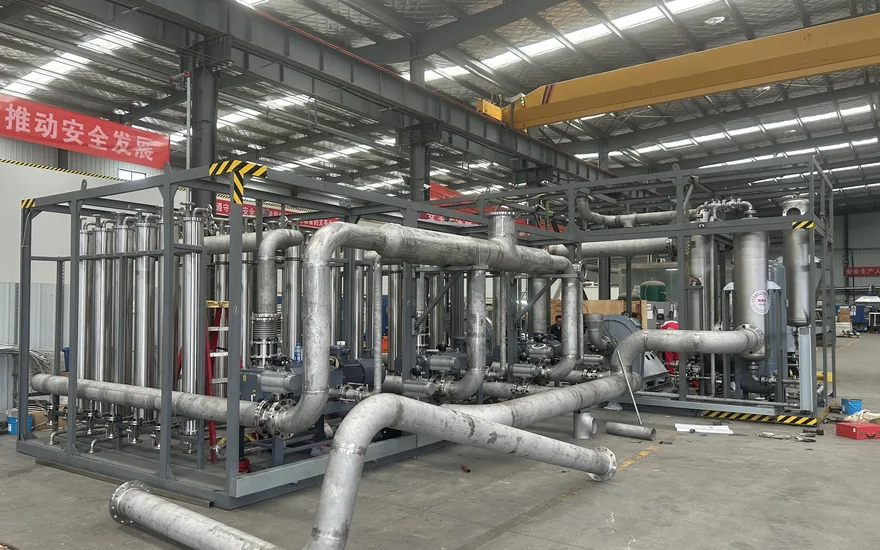
How should I choose between condensation and membrane separation?
lookEmission requirements and recycling valueThe condensation method is suitable for situations where the concentration is high, the components to be recovered are simple, and the recovery of liquid oil is required; membrane separation is suitable for situations where the concentration of tail gas is low and the final emission concentration needs to be further reduced; and it is used when the concentration is high and the emission requirements are strictCondensation + membrane separation combinationFirst, condense and recover the majority of the gas, then use a membrane to concentrate and recycle the tail gas. We will align the inlet gas concentration, air volume, and emission limits before providing a solution.
vapor recovery
Will the operation of the device affect the loading efficiency?
No.The oil and gas recovery device operates in parallel with the loading systemThe oil gas displaced during loading is recycled, without altering the loading process or pace. The pipeline access points and fan margins are designed with surplus capacity based on the peak loading flow during the design phase, ensuring that the devices operate simultaneously without waiting during normal loading.
Composite pipe
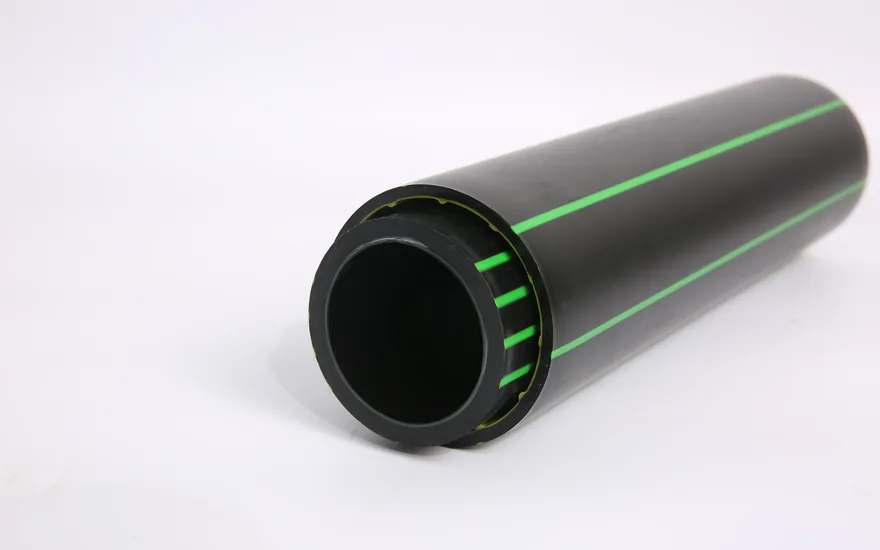
How many inspection ports should be reserved for the double-layer composite pipe?
pressIndependent detection of a single pipelineThe principle of allocation is as follows. Both ends of each double-layer pipe must be able to form an independent detection loop. Long-distance pipelines are segmented according to specifications, with detection wells set up in between. The selection of detection portsRotatable, facilitating the adjustment of sampling inspection direction in the later stage; the supporting reducers and tees shall be fully equipped according to the pipeline routing in one go to avoid secondary drilling on site.
Composite pipe
How are the warranty and after-sales service for the pipeline calculated?
Double-layer composite pipeline5-year warrantyExecution, covering the pipeline body and factory-supplied fittings. Installation drawings and operation instructions will be provided along with the goods. During the on-site installation phase, our technical personnel can be present for guidance. Quality issues within the warranty period will be addressed as agreed in the contract. For issues outside the warranty scope (such as damage from external forces or non-compliant construction), paid services will be provided.
Composite pipe
Can pipe fittings and pipelines be purchased separately?
可以。但从密封可靠性考虑,我们建议Supply of complete sets of pipe materials, pipe fittings, and testing reducers——The dimensional tolerances and sealing surface processes of different manufacturers are not uniform, making it prone to interface leakage hazards when mixed and matched. Furthermore, the responsibility for issues is unclear. When supplying in complete sets, the quality assurance responsibility is borne by our company alone.
delivery
How long does it take from the signing of the contract to the arrival of the equipment?
Conventional skid-mounted equipment45~60 daysComposite pipes are generally produced according to the number of meters 15~30 daysFor projects involving non-standard designs, an additional 5-10 days will be added to the design cycle after the plan is confirmed. The production scheduling period shall be subject to the contract agreement, during which we will provide feedback on production milestones simultaneously.
delivery
What do we need to cooperate with for installation and debugging?
On-site requirements"Three supplies and one leveling" and temporary electricity supplyAnd appoint a contact person. After the equipment arrives, our party will complete the unloading, pipeline connection, electrical wiring, and debugging. The civil engineering parts such as foundation embedment and concrete supports are usually constructed by the owner or the general contractor according to the drawings. Our party provides the embedment drawings and assists in the acceptance inspection.
delivery
Can we first develop the plan and then decide on the equipment?
Sure, this is also our default way of proceeding.First, collect operating conditions; then, develop a selection plan; finally, provide equipmentThe plan will clearly outline the processing capacity, process route, main configuration, and interface conditions. Once confirmed, the quotation and contract negotiation phases will follow.