The performance of oil and gas recovery devices in winter often poses greater challenges to daily management than in summer. Low temperatures can cause condensate to thicken and water to freeze, with low points in pipelines and liquid collection tanks being the first to experience problems; sampling pipelines of some instruments are also prone to liquid accumulation and freezing. Most of these issues are not due to defects in the equipment itself, but rather changes in operating conditions brought about by temperature variations. By making targeted preparations before winter and keeping an eye on several key points during operation, most freeze-ups can be avoided.
Why are problems more likely to occur at low temperatures
The process of oil and gas recovery itself involves cooling. The condensation section transforms condensable components from the gas phase to the liquid phase, and the liquid needs to be smoothly discharged afterwards. As the temperature further decreases, the viscosity of the liquid increases and its fluidity deteriorates. When the pipeline slope is insufficient or the liquid level in the collection tank is too high, the liquid will accumulate in the pipeline. Once the accumulated liquid freezes, it will partially block the pipeline, leading to potential hazards such as pressure buildup or failure of the recovery section.
Another aspect that is easily overlooked is water content. Water is inevitably present in oil and gas, and it liquefies along with hydrocarbons during condensation. At room temperature, this water may merely degrade the quality of the recovered fluid; however, at low temperatures, it will first freeze and block the narrowest points, such as valve ports, instrument sampling tubes, and drain ports.
What preparations should be made before winter
The key preparation before winter is to clean up all potential liquid storage areas and make up for any inadequate insulation or heat tracing. It is best to arrange this round of inspection within a normal downtime window to avoid handling it temporarily when the cold wave arrives.
Six steps before winter
- Drain the accumulated liquid from the low points of the pipeline, the liquid collection tank, and the drainage device, and confirm that it has been completely drained before resuming operation;
- Check whether the electric heat tracing and insulation layer are intact, conduct a power-on test, and record the operating current as a benchmark for subsequent comparison;
- Check the instrument sampling pipeline and pressure guiding pipeline to confirm that there is no fluid accumulation, and install insulation or tracing if necessary;
- Review the liquid level control settings of the liquid storage tank. In winter, the liquid level should be controlled at a lower position to reduce liquid storage;
- Check the drainage and vent ports for smoothness and ensure they won't be blocked by ice;
- Record the inspection results and handling measures for winter as the starting point for winter operation management.
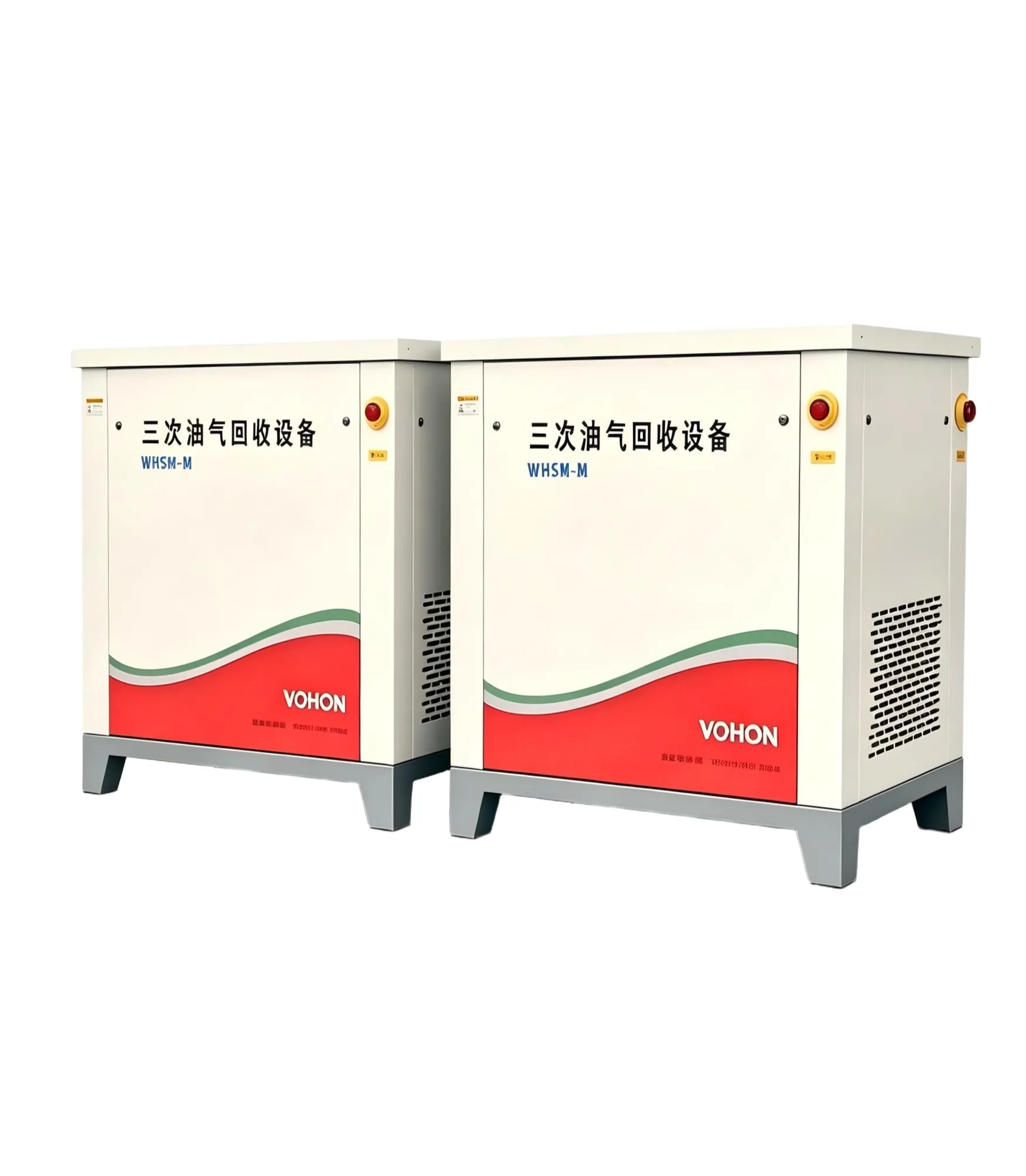
How to handle condensate and moisture
The approach for winter handling is "store less, drain frequently, and separate flows". "Store less" means keeping the liquid level in the collection tank at a low level to shorten the residence time of the liquid in the system; "drain frequently" indicates that the frequency of draining should be appropriately increased compared to summer, and it should be temporarily increased during cooling weather; "separate flows" refers to collecting condensate with high water content separately from other recovered liquids to avoid overall quality degradation after mixing and to prevent water from freezing in the pipelines.
Which parts should be monitored during operation
The selection of locations focuses on two criteria: "prone to liquid accumulation" and "significant impact after freezing". These locations have been inspected during the winter check, and regular reviews during operation can help identify and address most issues at an early stage.
| key parts | Main risks in winter | Processing direction |
|---|---|---|
| Low point of pipeline | Accumulated fluid freezing causes blockage | Ventilate before winter, and add heat tracing if necessary |
| liquid collection tank | The liquid level is relatively high and the drainage is not smooth | Operate at low levels and increase the frequency of fluid drainage |
| Drain and vent port | Icing and blockage | Check the patency, and apply insulation if necessary |
| Instrument sampling pipeline | Fluid accumulation and freezing lead to distorted display | Shorten the pipeline and make it slope smoothly, and add insulation |
| Valves and connectors | The action is obstructed, and the sealing is affected | Check whether the action is smooth |
| Electric heat tracing and insulation layer | The local temperature becomes too low after failure | Conduct a power-on test and record the current |
Points to note for the instrumentation and control section
The majority of instrument issues arise in the sampling and pressure piping, rather than the instrument itself. Once liquid accumulates and freezes in the piping, the displayed values will be distorted, potentially leading to erroneous actions in the control loop. The solution is to keep the sampling piping short, ensure a smooth slope, add insulation where necessary, and increase inspection frequency during winter. The status of heating elements, fans, and temperature controllers in the control cabinet should also be included in routine inspections.
Separating the operation settings for winter and summer and recording them separately is a practical approach: the reasonable parameters for the same set of equipment in the two seasons are inherently different, and recording them separately facilitates the judgment of whether the on-duty parameters deviate.
The conclusion during temperature rise
After the cold wave, do not immediately revert to the summer setting. During the temperature rise, the stored liquid in the pipeline will flow again. At this time, it is advisable to first confirm that all discharge points are unblocked and the liquid level is normal, and then gradually return to the regular setting. It is also recommended to keep records of this process and compare them with the inspection results at the beginning of winter, providing a basis for next year's preparation.
Frequently Asked Questions
Do we need to shut down the recycling device during winter?
Normal operation is the appropriate approach. Repeated start-ups and shutdowns will cause the system temperature to fluctuate repeatedly, which in turn makes it more likely for liquid to accumulate in the pipeline. The key lies in preparation before winter and inspection during operation.
Is it safer to keep the electric heat tracing system on all the time?
Long-term power-on will increase energy consumption and also conceal whether the heat tracing is truly effective. A more practical approach is to activate it according to temperature conditions, conduct regular power-on tests, record the current, and use data to determine whether the heat tracing is working properly.
Why should the liquid level of the liquid collection tank be controlled lower in winter?
The higher the liquid level, the greater the amount of liquid stored in the tank and pipeline, and the wider the impact area of freezing when encountering continuous low temperatures. Controlling low-level operation can shorten the residence time of liquid in the system.
This article is compiled by Luoyang Wohong Petrochemical Equipment Co., Ltd. The company provides design and manufacturing, skid-mounted customization, installation and commissioning, as well as after-sales operation and maintenance services for three-time oil and gas recovery equipment to gas stations and oil depots. If you need on-site inspection or scheme configuration, please feel free to contact us for discussion.