What should I do if the reading of the oil and gas recovery concentration detector drifts? Straight answer: Most drifts are not due to real changes in emissions, but rather issues with the instrument's own status - sensor zero drift, probe contamination by oil dust, temperature and humidity interference, and expired standard gas. Troubleshoot and address these issues in this order; if the reading continues to rise even after confirming that the instrument is normal, then investigate the equipment as if the emissions have actually increased. The data from online monitoring and portable detection should be used to make environmental protection judgments. Distorted readings are worse than not measuring at all: falsely high readings waste time on rectification, while falsely low readings conceal real excess. This article clarifies the methods for judging drifts, calibration cycles, and key points for calibration operations, so that operation and maintenance personnel can follow the instructions.
First, distinguish between drift and real increase
The judgment method is not complicated: take a recently calibrated portable detector and compare it with the online data at the same point. If the difference between the two is large, deal with the instrument first; if they are basically consistent, the emissions are indeed increasing, and turn to equipment troubleshooting. There are also two circumstantial evidences in daily work: reading drift is often accompanied by many curve burrs and systematic diurnal shifts; real increase is related to operating conditions, such as concentrated increase during peak hours accompanied by a decline in recovery volume. Data should be viewed from a trend perspective rather than focusing on a single point. By laying out the curve of the past month, the drift pattern and the pattern of operating condition-related increase can be distinguished by the naked eye. Comparing records and keeping them on file also provides a basis for adjusting the subsequent calibration cycle.
Common causes of drift
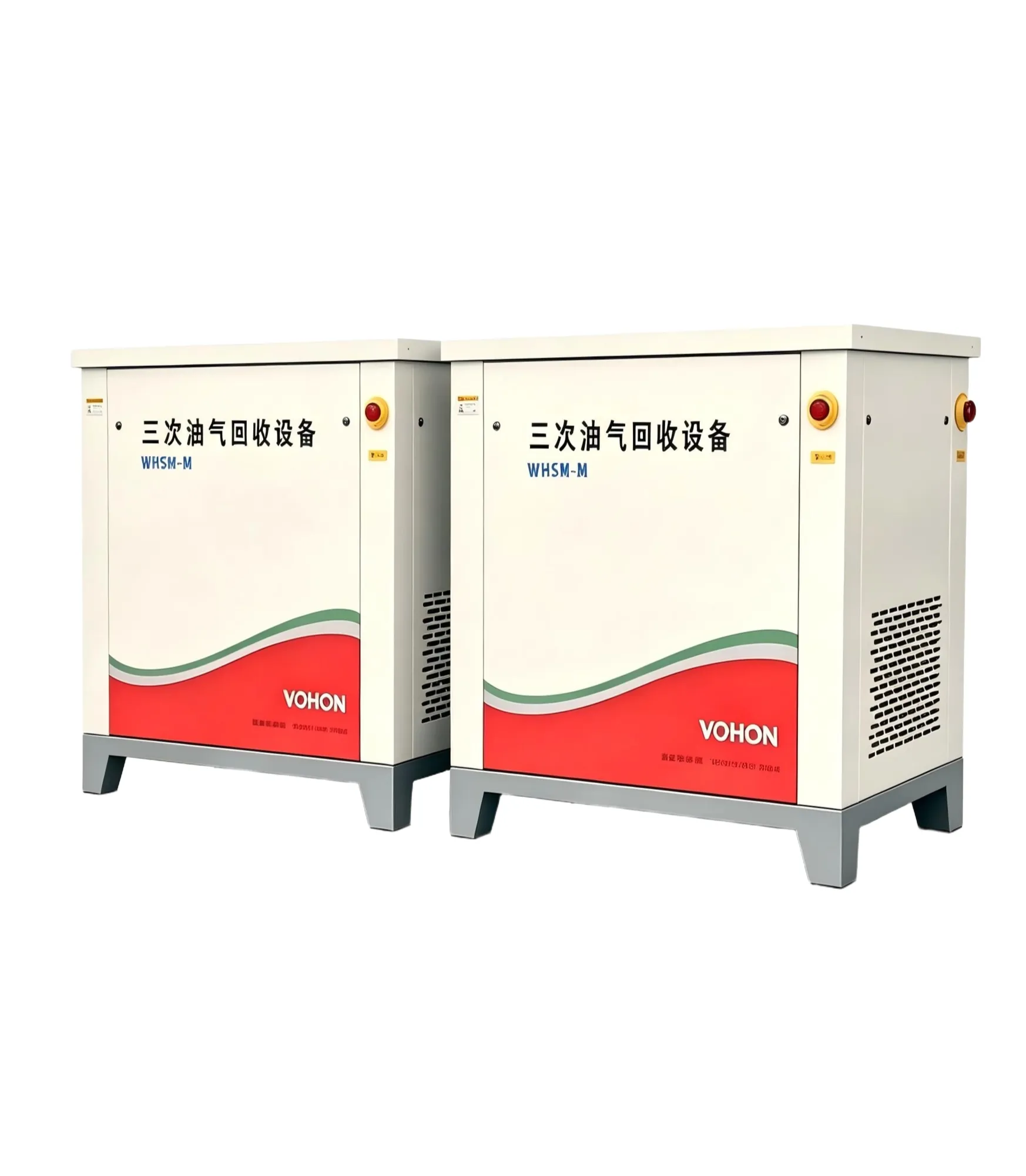
Zero drift ranks first: When the sensor is powered on for extended periods, the zero position slowly drifts, manifesting as an overall upward or downward shift in readings by a fixed amount. Probe contamination ranks second, as oil mist and dust accumulate in the sampling probe and pipeline, leading to slower response, lower readings, or jitter. Temperature and humidity interference follows closely, as water vapor enters the sampling pipeline during high humidity weather, affecting both optical and electrochemical sensors. Expired standard gas or poor state of the pressure reducing valve can lead to inaccurate calibration during calibration, making drift naturally uncorrectable. These four reasons correspond to four types of actions. By addressing them one by one, most drifts can be contained on the same day.
Calibration cycle and calibration operation
The standard practice is to calibrate at least once every three months, and to perform additional calibration whenever sensors are replaced, pipelines are repaired, or abnormal readings are detected. Online monitoring equipment must also undergo a verification and comparison test annually as per management requirements. The calibration process focuses on three key points: ensuring that the calibration gas is within its validity period and the flow rate is supplied according to the instrument's requirements; conducting a purge before calibration to remove any accumulated material from the probe and pipeline, otherwise the calibration will only reflect the state of the pipeline; and performing a span check after calibration, ensuring that both the zero point and the measurement range are properly calibrated. The zero drift for each calibration should be recorded. An accelerated drift rate indicates sensor aging, and spare parts should be prepared in advance based on this trend.
Cause and treatment comparison
| reason | Typical manifestations | handle |
|---|---|---|
| zero drift | The overall reading offset is a fixed amount | Zero point calibration correction |
| Probe contamination | Slow response, jittery readings | Purge, clean, and replace filter elements |
| Temperature and humidity interference | The readings are skewed on rainy days due to high humidity | Remove water from the pipeline and check the seal |
| Standard gas expired | It is still inaccurate after calibration | Replace the standard gas and check the pressure reducing valve |
| Sensor aging | Drift speed increases | Replace ahead of time based on trends |
| Air leakage from the pipeline | The reading is low and unstable | Pressure maintaining and leak detection treatment |
Calibration and maintenance steps
- Portable instrument and online data comparison at the same point for positioning direction;
- Purge the probe and sampling pipeline, and inspect the filter elements;
- Check the validity period of the standard gas and the status of the pressure reducing valve;
- Perform zero and span calibrations according to the procedure;
- After calibration, verify the span and record the drift;
- Arrange for sensor replacement when the drift speed is abnormal.
Frequently Asked Questions
Can I perform the calibration myself?
Zero and span calibration can be performed by trained operation and maintenance personnel according to instrument procedures, provided that standard gases and accessories are fully prepared; network verification and reporting standards involving online monitoring are recommended to be completed by professional institutions, so that the data has the validity of management standards.
It drifts again shortly after calibration. What should I do?
First, check the sampling process: air leaks in the pipeline, saturation of the filter, and probe contamination can quickly render the calibration results invalid. If the sampling process is confirmed to be normal but there is still rapid drift, it is often due to signals from the sensor in its later stages of life. Replace it based on the trend, and do not insist on repeated calibration.
How long should the test data be retained?
Follow local management requirements, with a minimum duration of one year; it is recommended to archive along with calibration records and maintenance records to form a complete evidence chain, so that there is a basis for spot checks and reviews.
This article is compiled by Luoyang Wohong Petrochemical Equipment Co., Ltd. The company provides design and manufacturing, skid-mounted customization, installation and commissioning, as well as after-sales operation and maintenance services for three-time oil and gas recovery equipment to gas stations and oil depots. If you need on-site inspection or scheme configuration, please feel free to contact us for discussion.