What should be paid attention to during the renovation of oil and gas recovery at gas stations? Straight answer: Whether the renovation is worth the money, 80% of the decision depends on the construction stage - ensuring solid work in pipeline slope, liquid collection tank, sealing parts, and commissioning. If these four things are done well, the renovation will run smoothly for many years afterward; if done as a mere formality, subsequent issues such as liquid resistance, air leakage, and noise will come knocking one by one. Many stations have experienced problems such as increased noise from fuel dispensers and air leaks at connectors after renovation. Upon investigation, most of these issues stem from hidden dangers left in the construction process, rather than the equipment itself being faulty. This article lists the problems that are easily left behind during the construction stage, and checks them before renovation and during acceptance to prevent these issues from arising before the renovation is put into operation.
Gradient and liquid collection tank
The recovery pipeline must slope towards the storage tank so that the condensate can flow back into the tank by gravity. At stations where the distance from the fuel dispenser to the tank area is long and the depth of the tank pit is insufficient, it is often impossible to achieve the required slope, causing condensate to accumulate in the pipeline and forming a liquid blockage, which increases the backpressure resistance day by day. The correct approach for such stations is to add a liquid collection tank at the low point and regularly pump out the condensate. If the liquid collection tank is omitted during construction, the liquid blockage problem will surface after one or two years of operation, and the symptoms will worsen in winter when oil, gas, and water vapor are more prone to condense. During the disclosure of the renovation plan, the slope requirements and the location of the liquid collection tank should be included in the scheme. Before the acceptance of concealed works, the elevation of the pipe trench should be reviewed first. Doing this upfront can save a lot of trouble later on.
Seals and fittings
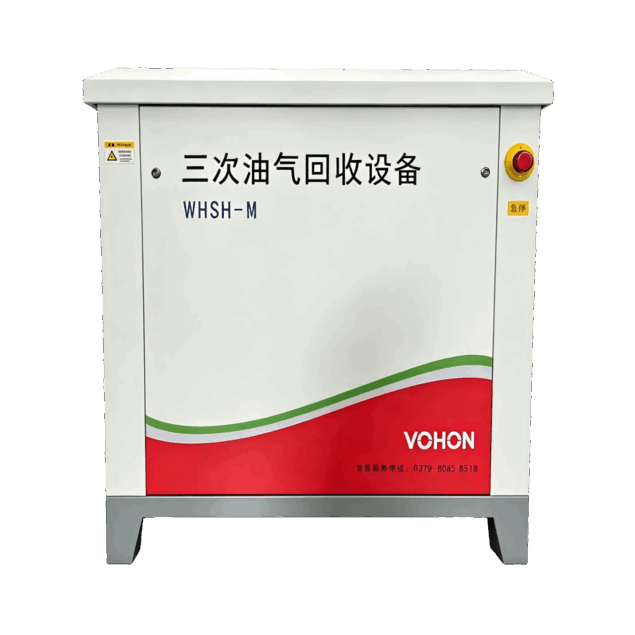
The tightness of the system depends on every connection: the sealing surface of the flange must be cleaned before installing the gasket, which should be made of oil-resistant material according to the medium, and the bolts should be tightened evenly diagonally; the use of flanges and threaded connections should be minimized in the middle of buried pipelines. The common practice is to weld or hot-melt the entire section, with fewer joints resulting in fewer leakage points; at the location where the power cord of the submersible pump and the signal wire of the liquid level meter pass through the explosion-proof tube, the sealing plug should match the wire diameter, and the aged rubber plug should be replaced with a new one, rather than being reused. After the installation of pipe fittings, an overall air tightness test should be conducted, and it is considered to be qualified only when the pressure remains stable. The test records should be archived along with the concealed works, and this record will serve as a basis for future maintenance.
Debugging and acceptance
After the renovation, the commissioning should not only focus on whether the equipment can operate: the gas-liquid ratio, tank pressure response, and linkage of the three devices should be checked during the gas-filled trial run, and each gun should be tested individually rather than just testing a few as a token gesture; any abnormal noise should be investigated on the spot, as most of them are early signals of liquid blockage or pump installation issues. The acceptance documents should be complete: the pipeline routing diagram, concealed works records, airtight testing records, and commissioning data should be handed over to the station party without any omissions. The experience gap of the renovation team is reflected in these details. When selecting a team, these items should be included in the contract, and acceptance should be carried out item by item. This is much more cost-effective than arguing afterwards.
Construction quality control and comparison
| "Gate-keeping item" | Common practice | Prone to hidden dangers |
|---|---|---|
| Pipeline slope | Head down the slope towards the tank | "If the distance is long, it's impossible to make a slope." |
| liquid collection tank | Set up regular pumping and drainage at low points | Greed and omissions lead to big troubles in the future |
| gasket | Oil-resistant material with diagonal fastening | Misuse of materials accelerates aging |
| Buried interface | Whole-section welding and hot melting | Buried leakage of flange threads |
| Wire sealing | Sealing plug matches wire diameter | Aging and loss of elasticity lead to oil and gas leakage |
| Air tightness test | The overall voltage stabilization is qualified and archived | Skip the test and proceed to backfilling |
Transformation check step
- During the planning phase, the slope and the layout of the liquid collection tank should be clearly defined;
- After excavating the pipe trench, recheck the elevation before laying the pipes;
- Upon arrival, pipe fittings and seals shall be inspected and accepted according to the list;
- Conduct air tightness testing before the acceptance of concealed works;
- Conduct gas-liquid ratio verification for each gun during gas commissioning;
- The completion documents have been checked, handed over, and archived.
Frequently Asked Questions
Should we replace the pipelines during the renovation of the old station?
Based on the current assessment: For pipelines that are corroded, have leaking joints, or have inherently inadequate slopes, it is much more cost-effective to replace them during the excavation process. The costs of business interruption and construction for a second excavation are much higher than doing everything at once. For pipelines in good condition, retain and reuse them, and invest in liquid collection tanks and sealing measures.
Will the business be suspended during the renovation? For how long?
Depending on the scope of the project, if only the devices and tank farm pipelines are to be moved three times, peak-shaving construction can be carried out in different areas to reduce downtime; for gun positions involving pipelines under fuel dispensers, they should be arranged one by one, and the downtime windows should be included in the construction organization in advance.
How to judge whether a construction team is reliable?
Look at three things: completed cases of similar renovations and user feedback, whether the construction plan clearly outlines slopes and liquid collection tanks, and whether the acceptance checklist is complete. A team that excels in all three aspects is worth the slightly higher price.
This article is compiled by Luoyang Wohong Petrochemical Equipment Co., Ltd. The company provides design and manufacturing, skid-mounted customization, installation and commissioning, as well as after-sales operation and maintenance services for three-time oil and gas recovery equipment to gas stations and oil depots. If you need on-site inspection or scheme configuration, please feel free to contact us for discussion.