Where does the recycled gasoline go? To answer directly: The liquid gasoline recovered through condensation in the tertiary unit is sent back to the corresponding gasoline storage tank according to the principle of "where it comes from, back to where it goes". The pipeline returns to the tank's gas phase pipe or a dedicated return tank interface, and the pipeline is equipped with check valves, stop valves, and sampling ports. The amount returned to the tank and the amount recovered by the unit are measured separately, and the two accounts must match for the recovery system to be considered well-managed. Daily management focuses on two points: first, the return tank path must not be mixed, and the return tank pipelines for diesel tanks and gasoline tanks must be clearly distinguished; second, the measurement caliber must be fixed, and the relationship between the amount returned to the tank, the amount refueled, and the amount recovered must be calculated clearly by the station itself. This article explains the return tank process, pipeline key points, and measurement management in one go.
How do I go back to the tank
The condensate collected from the three-stage unit is stored in the condensate tank of the unit. When the liquid level reaches the set value, it is pumped back to the storage tank. The return pipeline is usually connected to the gas phase pipe of the storage tank or a dedicated return interface. The advantage of using the gas phase pipe is that it does not require any structural changes to the storage tank and can utilize existing pipe orifices. The dedicated return interface is more standardized, with valves and sampling ports, making it convenient for daily operation and spot checks. The direction of return flow must be from the unit to the storage tank, and a check valve must be installed on the pipeline to prevent the oil in the storage tank from flowing back into the unit when the pump is stopped - if crude oil enters the condensate tank, the activated carbon and membrane core will be completely useless. A stop valve must also be installed on the pipeline to ensure reliable isolation during maintenance. The absence of either of these two valves poses a potential hazard.
How to manage measurement and reconciliation
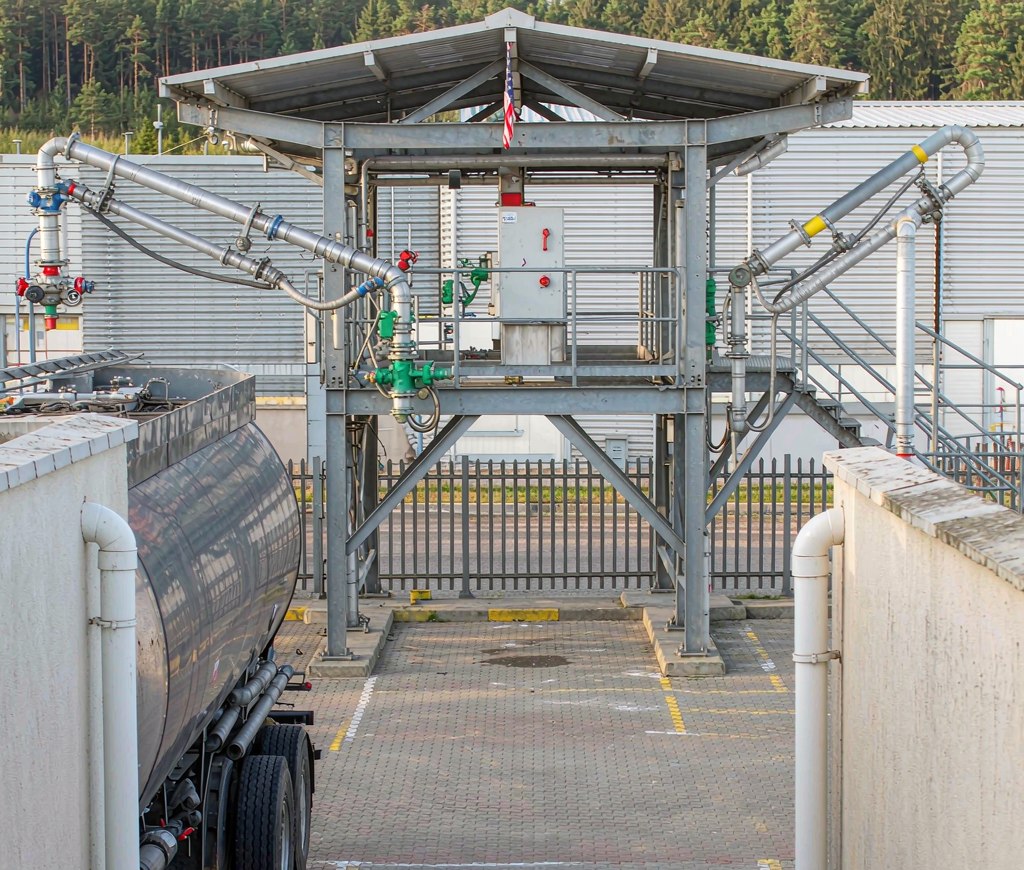
Metering management focuses on two numbers: one is the recovery volume of the device, which is converted based on the change in liquid level of the condensate tank and the cumulative operation of the return pump; the other is the return volume, which is calculated using a flowmeter or based on the tank capacity tolerance. The difference between the two numbers represents system loss and metering error. If the accounts do not match over a long period, it indicates a leak or a problem in the metering process. It is recommended to reconcile the accounts weekly: weekly recovery volume, weekly return volume, and refueling volume for the same period. These three accounts should be placed in a single table. If the proportional relationship remains stable, it indicates that the system is healthy; if there is a sudden deviation in the ratio, first check the return pump and check valve, and then check the flowmeter itself. The accounts should be archived monthly, and can be directly accessed during environmental verification or internal audit, eliminating the need for improvisation.
Tank return operation and precautions
The tank return operation is fully automated on a daily basis: when the liquid level in the condensate tank reaches the upper limit, the pump automatically starts to return the liquid; when the liquid level drops to the lower limit, the pump stops. The main scenarios requiring manual intervention are sampling and spot checks, as well as handling of abnormalities: regularly take condensate samples from the sampling port, observe the color, smell the odor, and feel the viscosity. If crude oil or water is detected, the source must be traced. If the tank return pump makes abnormal noises or has abnormal pressure, stop the pump before investigating, and do not continue operating it. In winter, when condensate has poor fluidity, the tank return pipeline should be heat traced or regularly purged. The condensate tank and pump may become blocked with condensed liquid, which happens every winter. The preventive measures are to confirm the heat tracing and purging before winter arrives. Operation records should be written in the shift handover book, with records kept for both day and night shifts.
Comparison of process and management key points
| link | Common practice | Frequently Asked Questions |
|---|---|---|
| Return path to the tank | Device to corresponding gasoline storage tank | Connected in series with the diesel tank pipeline |
| Check valve | The return tank pipe must be installed and regularly calibrated | Missing or jamming causes crude oil to flow backwards |
| globe valve | For maintenance and isolation purposes | It's rusted and cannot be turned off |
| sampling port | Regularly spot check the quality of condensate | Without sampling points, it is difficult to trace the source |
| recycling volume | Conversion between liquid level and pump operation | No ledger, confusion in accounting standards |
| Return tank volume | Flowmeter or tank capacity tolerance calculation | The recycling volume has not been properly accounted for over a long period of time |
Daily steps for tank return management
- Check the liquid level of the condensate tank and the start-stop records of the return pump;
- Conduct a weekly reconciliation between the amount of recyclables collected and the amount of cans returned;
- Regularly conduct spot checks on condensate quality from the sampling port;
- Confirm that the check valve and globe valve are in good condition;
- Complete pipeline purging and heat tracing confirmation before winter;
- The reconciliation and spot check records are archived monthly.
Frequently Asked Questions
Can recycled gasoline be directly added to cars for sale?
The recovered condensate needs to be sampled for quality confirmation. If it contains impurities or excessive water, it cannot be reused directly. Under normal circumstances, the recovered gasoline should be returned to the corresponding gasoline tank for normal sales, but the sampling inspection records must be kept. This is a routine action for quality control.
What would happen if the return pump pumps crude oil back into the device?
Activated carbon and membrane cores have little treatment capacity for liquid oil. The entry of crude oil will cause pollution and failure in the adsorption and membrane sections, requiring the replacement of the entire set of treatment materials. The loss far exceeds the cost of a check valve, so check valve calibration must be performed regularly.
Can two storage tanks share a return pipe?
Sharing is not recommended: The risk of tank contamination is high due to the potential for misoperation of valves. Separating the receiving pipes and setting up separate valves will result in limited additional investment in pipe materials and valves, but will bring clarity and reliability to management.
This article is compiled by Luoyang Wohong Petrochemical Equipment Co., Ltd. The company provides design and manufacturing, skid-mounted customization, installation and commissioning, as well as after-sales operation and maintenance services for three-time oil and gas recovery equipment to gas stations and oil depots. If you need on-site inspection or scheme configuration, please feel free to contact us for discussion.