What preparations should be made before conducting an oil and gas recovery test? Straight answer: Before the formal test, conduct a round of self-inspection - pre-check the four items: liquid resistance, gas-liquid ratio, tightness, and system appearance, and address any obvious issues first. Meanwhile, prepare all necessary tools, records, and operational coordination, and confirm that the station can cooperate with the testing party's requirements for stopping the machine, starting the nozzle, and taking readings during the testing period. The purpose of self-inspection is to avoid bringing obvious issues into the formal test: taking faults to the test, and having to retest if the data is unqualified, which will incur higher costs. The links that are prone to getting stuck are mainly incomplete records, inability to isolate the fuel dispenser independently, and too full working conditions on the day of testing. These can be avoided by making advance arrangements. This article will clarify the self-inspection checklist and solutions for getting stuck.
Go through the self-check checklist item by item
Each of the four self-inspection items has its own approach: for liquid resistance, use a liquid resistance detection device to make measurements according to procedures. For pipelines with pressure exceeding the upper limit, do not proceed with testing first, but check for condensate accumulation and valve status; for gas-liquid ratio, test each nozzle of the fuel dispenser one by one. If the ratio deviates, check the vacuum pump and the vacuum degree of the nozzle tube; for tightness, maintain pressure overall, and if the pressure difference cannot be stabilized, look for leaks first. If the leak point is not located, the formal testing is likely to remain unstable; for appearance, inspect the entire system, including traces of leakage in oil and gas pipelines, valve opening and closing status, and completeness of markings. Any issues that can be identified at a glance should be noted on the spot. Each of the four self-inspection items takes half a day, and the station can complete them on its own. By comparing the data with the formal testing, the true level of operation and maintenance can also be evaluated.
The link that is prone to getting stuck
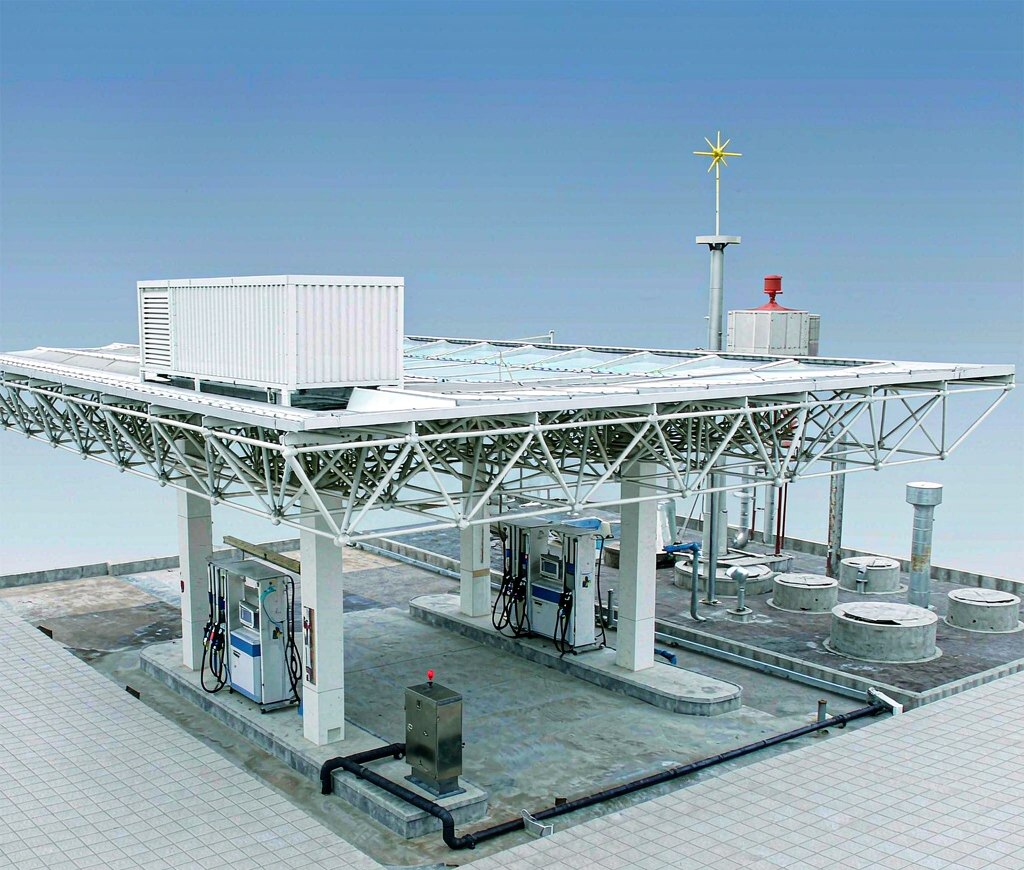
The most frequent issues encountered are: firstly, the ledger: the inspection party needs to review operation records, maintenance records, and previous inspection reports, but if the station cannot provide them on the spot, the inspection team is left in a passive position; secondly, the inability to isolate fuel dispensers individually, which means that the inspection of gas-to-liquid ratio must be conducted one dispenser at a time. For stations with shared pipelines, if other dispensers cannot be stopped, and if the pipeline design does not support this, the inspection schedule will be prolonged; thirdly, the working conditions on the inspection day are too full, and the inspection requires specific working conditions. If the vacuum pump is fully loaded during the peak refueling period, the data becomes uncontrollable, and the inspection party may reschedule. The solutions are simple: archive the ledger monthly and conduct a count one week before the inspection; confirm the isolation capability during construction, and make up for any deficiencies during renovation; arrange the inspection day in advance during the low-peak period, and confirm the time window with the inspection party.
Tools and coordination preparation
Tools are prepared according to the testing items: liquid resistance testing device and adapter, gas-liquid ratio tester and gas-collecting balloon, pressure gauge and pressure maintaining tool, soap water and spray bottle for leak detection. Common tools are placed in one place, so there is no need to rummage through cabinets on the day of testing. Personnel coordination should be assigned to specific individuals: one person familiar with the entire operation and maintenance process of the system accompanies the testing team, capable of starting the machine, stopping the gun, and adjusting the valve; one person from the station side is responsible for liaising with the testing team, ensuring a unified approach. Safety zones are designated in advance: the testing area is isolated from the refueling area, unrelated personnel are cleared from the site, and fire-fighting equipment is in place. These preparations may seem trivial, but if any of these items are missing on site, temporary borrowing and inquiries will be required, disrupting the testing rhythm.
Comparison of preparation items
| Preparation items | Self-checking caliber | Stuck risk |
|---|---|---|
| Liquid resistance | Record the pressure according to the procedure | Condensate accumulation directly exceeds the standard |
| gas-liquid ratio | Test mark deviation for each gun | Unable to schedule long periods of isolation in a standalone manner |
| airtightness | Pressure maintaining, leak detection and localization | Leakage points were not checked and were inspected with defects |
| Ledger | The operation and maintenance report is complete | Unable to turn over on site, trapped passively |
| Operating condition coordination | Stop the machine and start the gun during low-peak hours | The peak load data is uncontrollable |
| Safety | Area isolation equipment in place | Time delay due to site clearance |
Self-check steps before testing
- Conduct a liquid resistance pre-check according to the procedure and record the data;
- Measure the gas-liquid ratio for each gun and mark the deviation from the gun position;
- Maintain pressure overall to check tightness and locate leakage points;
- Inspect the appearance and valve status and make records;
- Check the ledger and historical reports for future reference;
- Confirm the time window and coordination matters with the testing party.
Frequently Asked Questions
What is the acceptable difference between self-inspection data and formal inspection data?
For self-inspection, utilize the site's own tools and operating conditions. For formal inspection, use equipment that has been calibrated and operates under specified conditions. There may be reasonable discrepancies between the two. If the difference is within an acceptable range, it indicates that the system is stable. If the difference is significant, first check the operating conditions and tools, and then inspect the system.
Can we conduct another inspection after rectifying the issues found in the self-inspection?
Yes, and it should be done this way: After rectifying the obvious issues, conduct a self-check and review. Once the data is stable, schedule a formal test. This approach saves overall time compared to bringing issues to the inspection, retesting, and scheduling another round. For rectifications involving pipelines, keep records as evidence of the rectification process.
How long does the inspection usually take? Will the site be closed down?
The duration of regular projects ranges from half a day to one day, depending on the scale of the site and the number of projects involved. It is not necessary to completely shut down operations, but it is required to be able to coordinate with downtime, gun shutdown, and operational adjustments. Low-peak windows should be arranged in advance to minimize the impact on operations.
This article is compiled by Luoyang Wohong Petrochemical Equipment Co., Ltd. The company provides design and manufacturing, skid-mounted customization, installation and commissioning, as well as after-sales operation and maintenance services for three-time oil and gas recovery equipment to gas stations and oil depots. If you need on-site inspection or scheme configuration, please feel free to contact us for discussion.