How often should the adsorbent be replaced? Straight answer: Activated carbon does not have a fixed calendar cycle. The general range is one to three years, and the actual lifespan is determined by the quality of the inlet gas, load, and humidity. To determine whether it's time to replace, look for three signals: the outlet concentration breakthrough curve climbs, the pressure difference across the adsorption tower increases, and the recovery efficiency of the device declines. If two out of the three signals are present, it can be arranged for replacement. The consequence of not replacing when due is that the efficiency continues to decline, the concentration of the treated gas cannot be reduced, and both emission risks and operating costs are compromised. Replacement is not just about pouring out the carbon: the disposal of old carbon as hazardous waste, and the activation and loading sequence of new carbon are both important. This article clarifies these points.
What determines lifespan
The adsorption capacity of activated carbon is gradually occupied: the oil and gas components, dust, and moisture in the intake air all consume active sites. The intake air at gasoline stations is relatively clean, so the lifespan tends to be on the upper end; in situations where the oil and gas components are complex or there is much dust, the lifespan is significantly shortened. The impact of load is also direct: at stations with high processing capacity and long operating hours, the consumption rate of carbon is based on the cumulative processing volume, not on the number of years. The damage caused by humidity is often overlooked: high humidity in the intake air allows water vapor to enter the micropores of the carbon, occupying active sites, and repeated desorption by regenerative devices can also accelerate the deterioration of the carbon. It is not surprising if the lifespan of the same brand and batch of carbon installed at different stations differs by a factor of two. It is more reliable to look at your own station's data than to ask others about the cycle.
Three signals indicating it's time to change
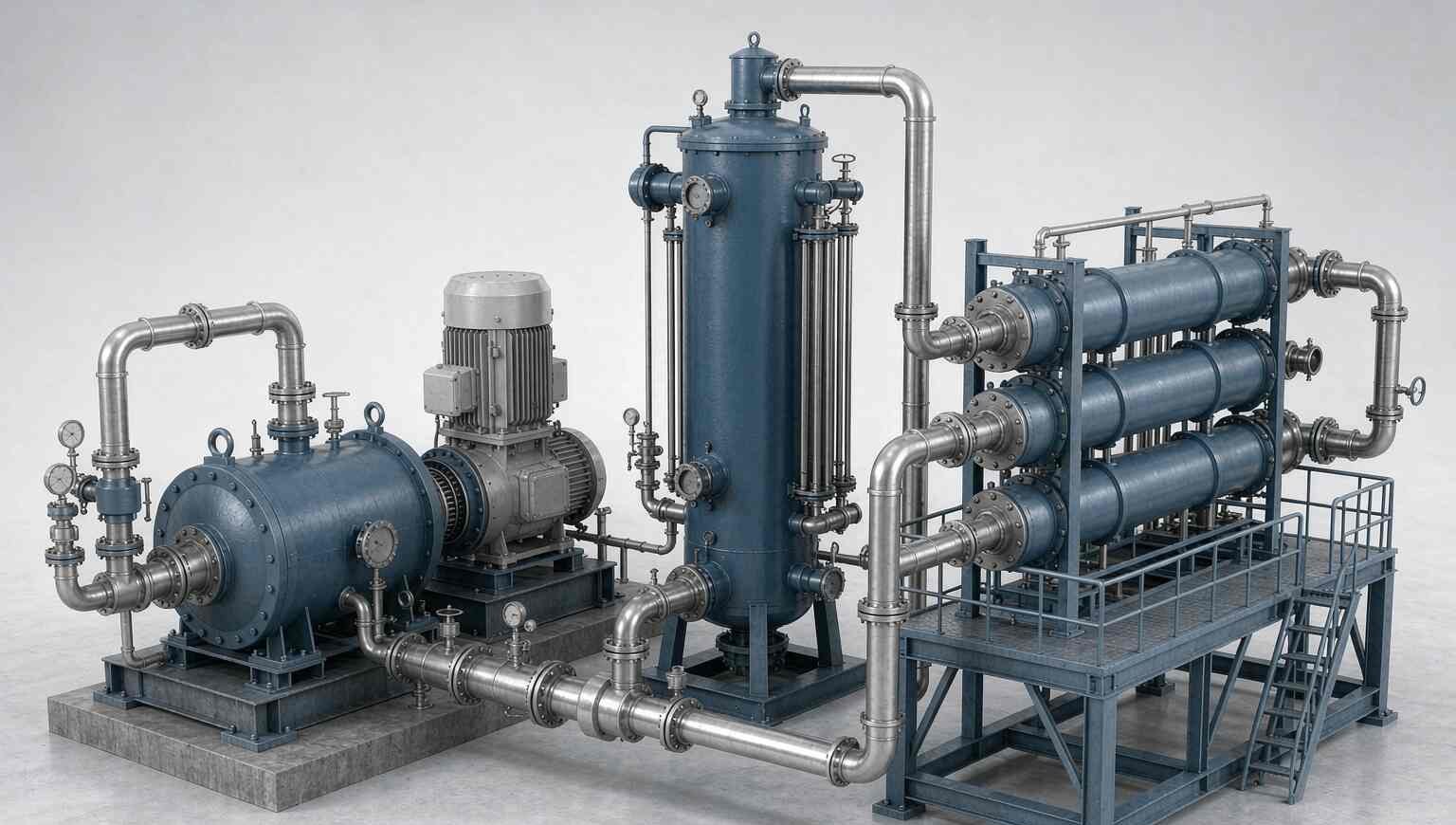
Signal 1: Look at the breakthrough curve: In online concentration detection or regular sampling, the continuous increase in outlet concentration of the adsorption section from a low level is the most direct evidence of capacity attenuation. The curve rising provides an earlier warning than exceeding the absolute value. Signal 2: Look at the pressure difference: After the carbon layer becomes powdered and compacted, the airflow resistance increases, and the pressure difference between the inlet and outlet of the adsorption tower steadily rises. With the same air volume, power consumption increases, which is a manifestation of carbon structure deterioration. Signal 3: Look at the recovery efficiency: Under the same operating conditions, if the recovery amount and the post-treatment concentration deviate from historical data, excluding leakage and valve issues, it indicates a decline in adsorption capacity. Record these three signals weekly, and compare the trends. The timing of replacement is determined by the data, rather than relying on intuition.
Key points of replacement operation
The replacement process should be followed step by step: shut down the device and relieve the pressure, replace the nitrogen or compressed air to a safe state, and personnel should handle the work permit according to the requirements for working in a confined space; remove the old carbon and record the weight, then transfer it to a qualified unit for disposal according to hazardous waste standards, and keep the disposal voucher on file; this step cannot be omitted; inspect and clean the inside of the tower, confirm the status of the sealing parts and distributor, and replace what needs to be replaced; fill the new carbon layer by layer according to the requirements for filling height and compaction, and conduct an airflow distribution test after filling; complete the activation and leak detection procedures, and put it back into operation after the outlet concentration is stable. The quality of filling directly affects the lifespan of the new carbon, excessive compaction leads to high wind resistance, while too loose results in airflow short-circuiting, both of which can cause the new carbon to fail prematurely.
Cycle and signal comparison
| project | health status | Attenuated signal |
|---|---|---|
| outlet concentration | Low and stable | The penetration curve continues to climb |
| Pressure difference of adsorption tower | Stable under low air volume | Steadily increasing power consumption |
| Recycling efficiency | Consistent with history | Deviation in recovery volume under the same operating conditions |
| Intake air quality | Dust moisture controllable | High humidity and high dust accelerate deterioration |
| Cumulative processing volume | The account can be checked | Accumulated quantity exceeding design limit |
| Disposal voucher | Hazardous waste transfer is complete | The whereabouts of the old charcoal are unknown |
Replacement steps
- Summarize the trend of pressure difference and efficiency of the penetration curve;
- If two out of three signals are present, an arrangement for replacement should be made;
- Shut down the machine, relieve pressure, perform replacement, and obtain a work permit;
- Clear out the old charcoal, weigh it, and transfer it as hazardous waste;
- Fill the new charcoal in layers and check the seals;
- After the activation leak test, the system was put into operation and a new baseline was recorded.
Frequently Asked Questions
Can activated carbon be revived by exposure to sunlight?
The low-load regeneration of granular activated carbon is subject to certain conditions, and it is difficult to control temperature and oxygen levels during on-site operations at actual stations. Improper operation also poses safety risks. Instead of investing energy in betting on the regeneration effect, it is better to replace it periodically and maintain stability.
How should we dispose of the used activated carbon that has been replaced?
According to the management standards for hazardous waste, transfer it to qualified units for disposal and retain the transfer vouchers, clearly recording the batch and quantity in the ledger; waste charcoal is an active material that has adsorbed oil and gas, and it is not compliant to burn or bury it on one's own. Don't try to save trouble on this matter.
How long does it take for the newly loaded carbon to stabilize?
After loading, perform airflow distribution and seal leak detection first, then follow the device procedures to run the activation process. The outlet concentration must remain continuously and stably within the target range to be considered qualified for operation; the data from the first two weeks after operation will be recorded as a new baseline in the logbook, and subsequent comparisons will use this benchmark.
This article is compiled by Luoyang Wohong Petrochemical Equipment Co., Ltd. The company provides design and manufacturing, skid-mounted customization, installation and commissioning, as well as after-sales operation and maintenance services for three-time oil and gas recovery equipment to gas stations and oil depots. If you need on-site inspection or scheme configuration, please feel free to contact us for discussion.