With the continuous tightening of regulations on oil and gas recovery at gas stations, tertiary oil and gas recovery equipment is shifting from being an "optional item" to a key item on the renovation checklist. The general trend in the industry is: tightening emission limits, increasing inspection frequency, and more rigorous verification of treatment effectiveness. For gas station and oil depot owners, planning ahead for tertiary recovery renovations is more manageable than undergoing passive rectification.
Three signals of tightening regulation
- The scope of inspection items has expanded from "whether it is installed" to "whether the treatment effect is good or not";
- The coverage of online monitoring and data reporting has gradually expanded;
- With tightening emission limits, the margin for single adsorption or simple condensation is becoming increasingly smaller.
Why has tertiary recycling become the focus of transformation
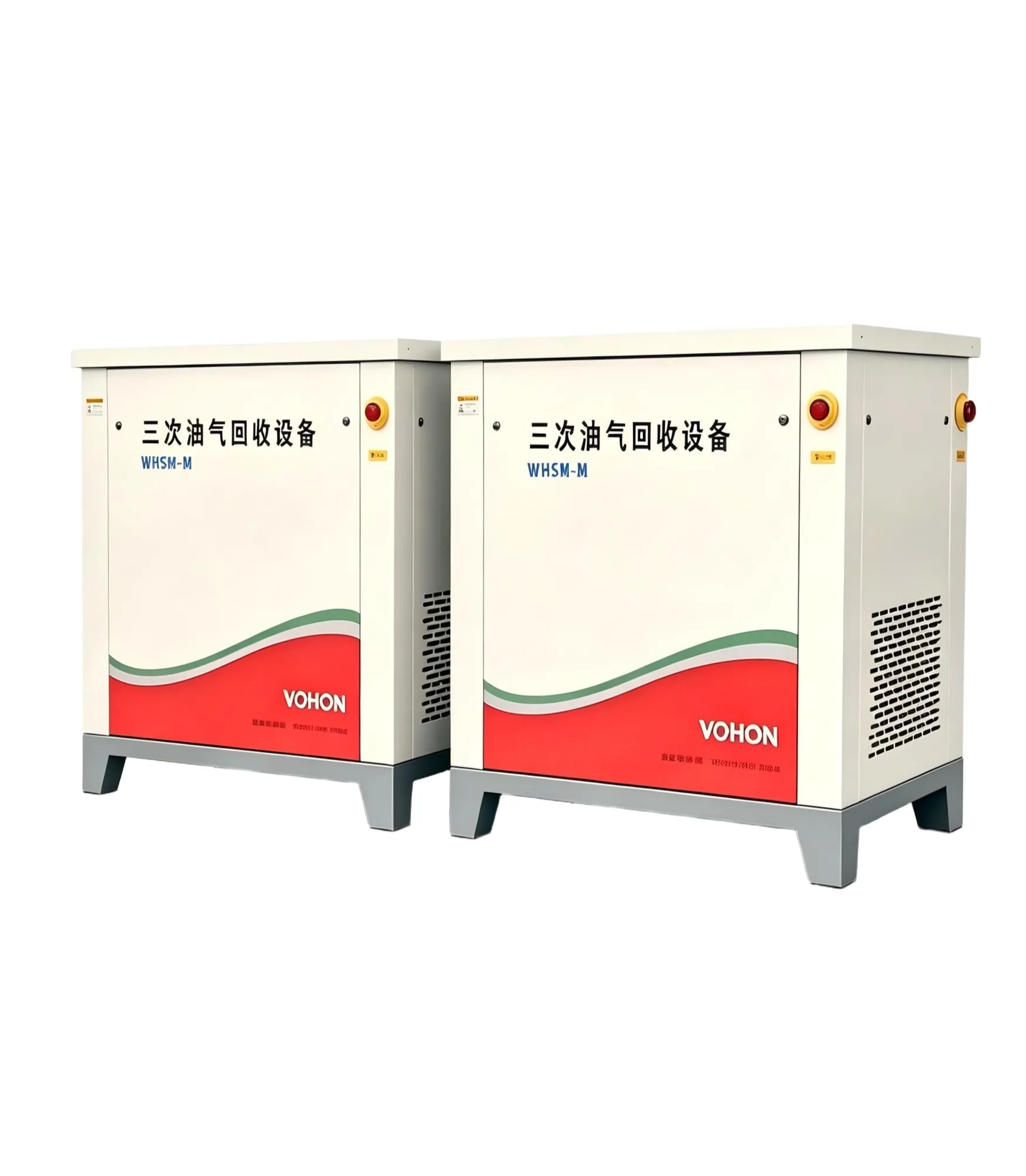
The third oil and gas recovery process treats the saturated oil and gas from tank breathing and oil unloading, which is the gas with the highest concentration and the greatest resource value in the entire process. The compression condensation and membrane separation process liquefies and recovers this gas as a solvent, with the tail gas being discharged in compliance with standards. This not only ensures emission compliance but also turns past losses into reusable materials, providing a tangible return path for the transformation investment.
Reference for transformation path
| phase | Job responsibilities | Purpose |
|---|---|---|
| assess the situation | Investigation of gas volume, tightness, and current system status in the tank area | Determine the baseline for the transformation |
| Configuration | Select skid-mounted devices and membrane separation configurations based on operating conditions | Matching load without wasting energy |
| Construction | Pipeline connection and electrical installation, with minimal production downtime | Reduce downtime |
| acceptance | Load test and emission effect confirmation | stable operation |
Suggestions for property owners
Regarding the selection of window for renovation, it is recommended to avoid the peak sales season and implement it simultaneously with the tank cleaning or tank inspection cycle, completing multiple tasks with a single business shutdown. The equipment supplier should provide full-process support from initial assessment to acceptance, avoiding the responsibility gaps brought about by multi-stage outsourcing.
Do stations need to be completely closed during the renovation period?
In most cases, segmented docking can be arranged to retain the refueling business as much as possible. The specific construction plan should be determined based on the on-site pipeline conditions.
How to calculate the economic benefits of three-time recycling investment?
The recovered solvent can be collected and reused. Coupled with reduced losses and compliance risks, the investment can be amortized within a reasonable period for most station types, with specific calculations based on station conditions.
Luoyang Wohong Petrochemical Equipment Co., Ltd. provides design, manufacturing, and installation services for tertiary oil and gas recovery equipment for gas stations and oil depots. We support customization according to the specific conditions of each station. Welcome to inquire.