The operational status of the three-time oil and gas recovery device varies with the seasons: during high-temperature periods in summer, tank pressure and condensation load increase, while low temperatures in winter lead to issues such as pipeline freeze-ups and slow component movements. Seasonal maintenance involves adjusting the device to the upcoming operating conditions at the transition points, so that external temperature changes no longer become a source of malfunctions.
Compared to repairing after something breaks down, seasonal maintenance offers significantly better economic benefits: the workload of seasonal inspections is not heavy, with most tasks involving visual inspection, cleaning, fastening, and parameter verification, which can be completed in half a day to a day; whereas the handling costs and downtime losses caused by seasonal issues are much higher. By scheduling maintenance plans in advance and institutionalizing seasonal inspections, the implementation rate can be guaranteed.
Seasonal maintenance also brings an additional benefit: seasonal inspections serve as a comprehensive physical examination twice a year. Areas that are difficult to cover during routine inspections, such as the interior of the box, low points in the piping, and fan bearings, are all examined during seasonal changes, doubling the density of hidden danger investigations.
What should we focus on checking in summer
Cleaning the heat dissipation surface of the condensing unit is the first priority in summer: dust and flying catkins adhere to the heat dissipation surface, causing the cooling efficiency to drop rapidly, and the tank pressure to rise accordingly. Cleaning the heat dissipation surface has become a routine action before the arrival of summer; the belt tension of the heat exchanger fan and the temperature rise of the bearing are checked one by one; the heat dissipation of the electrical cabinet and the fastening of the wiring terminals are carried out simultaneously, as trips during high temperature periods are often related to loose terminals that generate heat; the sealing parts of the oil unloading and return pipelines are checked point by point, as high temperatures accelerate the aging of the sealing parts, and the leakage rate in summer is significantly higher than that in winter. After completing these tasks, the operational stability during the high temperature season is largely ensured.
What should we focus on inspecting in winter
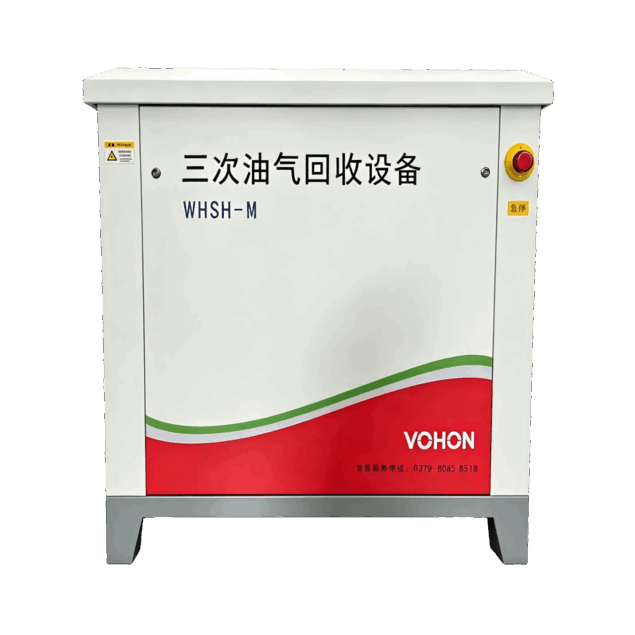
The problem of low temperature is freezing and condensation: the accumulated liquid at the low points of the pipeline freezes in winter, and the blockage occurs in the coldest early morning. The frequency of draining at the condensate discharge point increases after winter, and the accumulated liquid does not stay overnight. The power-on and temperature control of the heat tracing belt should be confirmed segment by segment to prevent power failure in the middle section. The low-temperature operating parameters of the condensing unit should be checked according to the manufacturer's instructions. When the ambient temperature is too low, the starting characteristics of some units may change, and the parameters should be adjusted in advance. The sealing and insulation of the device box should be checked once again, as condensation inside the box is a common source of electrical failure in winter.
The timing of seasonal maintenance is before the change of seasons: the inspection for the onset of summer should be completed before the end of May, and the inspection for the onset of winter should be completed before early November. After cold wave and high temperature warnings, a visual inspection should be conducted again, with a focus on the heat tracing belt, heat dissipation surface, and seals.
Reference for seasonal inspection items
| season | Key points of inspection | adjust arrangements |
|---|---|---|
| Summer heat dissipation | Inspection of the cooling surface cleaning fan | Complete before summer |
| Summer Electric | Heat dissipation in terminal fastening cabinet | Passing point by point before high temperature |
| Sealed in summer | Oil unloading and gas return seal | Replace aging parts in advance |
| Winter antifreeze | Low-point condensate draining heat tracing belt | Increase the frequency of emissions |
| Winter unit | Low temperature operating parameter verification | Adjust according to the instructions |
| Season change record | Archiving of exceptions found in checklist ticking | Comparison and scheduling for the following year |
How to implement maintenance
- Conduct two fixed inspections, one in summer and one in winter, right before the seasonal transition;
- Cleaning of the radiator surface and inspection of the fan should be included in the summer checklist;
- Conduct a point-by-point inspection of the electrical terminal fastening and the heat dissipation within the cabinet before high temperatures occur;
- The frequency of condensate draining has been increased since winter, and the tracing bands are powered on section by section for confirmation;
- Conduct point-by-point inspections on seals during seasonal changes, and replace aging parts in advance;
- Archive seasonal change records, and compare and adjust inspection priorities for the following year.
Frequently Asked Questions
Should I do seasonal maintenance myself or hire the manufacturer?
Items such as visual inspection, cleaning, and fastening can be carried out within the station according to the checklist; technical items such as low-temperature parameters of condensing units and temperature control of heat tracing belts are arranged in conjunction with manufacturer maintenance. The division of labor is included in the maintenance plan, covering both coverage and cost.
What information should be recorded for seasonal maintenance?
The project checklist is ticked off item by item, along with exception handling records, and archived together with the operational data of the current season. Before the next season change, the top notes are compared, and recurring items are scheduled in advance, ensuring that the maintenance plan becomes more accurate year by year.
Should additional inspections be conducted temporarily when there is a sudden change in temperature?
Suggested action: Conduct a visual inspection after cold wave and high temperature warnings, focusing on the heat tracing belt, heat dissipation surface, and seals. Extreme temperatures are a concentrated outbreak window for seasonal issues, and conducting inspection in advance is more leisurely than rushing to repair afterwards.
This article is compiled by Luoyang Wohong Petrochemical Equipment Co., Ltd. The company provides design and manufacturing, skid-mounted customization, installation and commissioning, as well as after-sales operation and maintenance services for three-time oil and gas recovery equipment to gas stations and oil depots. If you need on-site inspection or scheme configuration, please feel free to contact us for discussion.