The impact of the rainy season on the oil and gas recovery system at gas stations is not about whether it's busy or not, but about water: equipment getting wet from water ingress, water accumulation at low points, and poor drainage. These three types of issues account for the majority of malfunctions during the rainy season. Conducting inspections before the rainy season is much more leisurely than rushing to repair during the rain. This article explains the parts to focus on and the methods to follow at each stage, based on the timeline before, during, and after the rainy season.
Before the rainy season: Ensure adequate waterproofing measures are taken
The inspection before the rainy season revolves around two main aspects: "Where does the water come from, and where does it go?" On the water intake side, the inspection focuses on the sealing of equipment cabinets, the sealing of cable entry points, and the condition of the sealing strips on the control cabinet door. On the water discharge side, the inspection examines whether the drainage around the equipment foundation is unobstructed, whether there are potential water accumulation hazards in low-lying areas, and whether the drainage at low points in the piping system is functioning properly.
For equipment arranged outdoors, focus on the sealing status of rain covers and junction boxes; for equipment arranged indoors, don't be careless either, as roof leaks and water accumulation on the ground can also cause dampness. Any problems found during inspection should be addressed before the rainy season arrives, as this is the golden window for rainy season management.
Six steps for rainy season inspection
- Check sealing: Inspect the sealing and sealing components of the equipment cabinet, junction box, and cable entry one by one;
- Check drainage: walk through the drainage paths around the equipment foundation, cable trenches, and low-lying points;
- Check low points: Test the discharge at the low-point discharge port of the pipeline to confirm the absence of stagnant water dead zones;
- Check electrical: Treat circuits with abnormal insulation status in advance, and ensure rainproof measures for distribution boxes are in place;
- Prepare materials: Ensure sufficient supplies of commonly used materials such as seals, waterproof tape, and desiccant;
- Formulate a plan: Clarify the inspection frequency and emergency contact person for rainstorm weather.
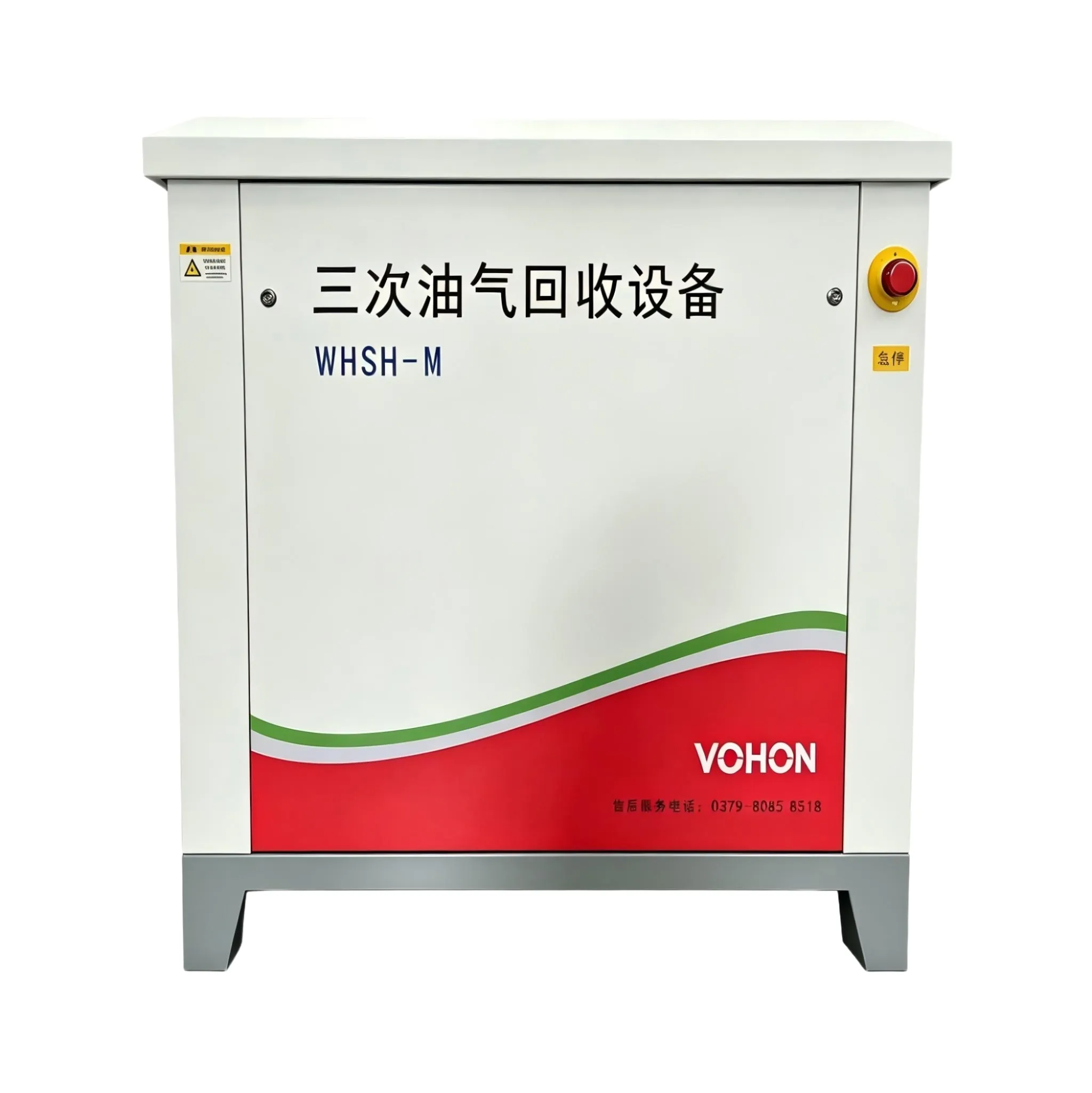
During the rainy season: Monitor weather changes and arrange inspections accordingly
The focus of inspections during the rainy season varies with the weather: before and after a rainstorm, an additional round of inspections should be conducted, with a focus on whether equipment has signs of water ingress and moisture, whether there is standing water on the site, and whether drainage is smooth. After thunderstorm weather, pay attention to observe the alarm information and operating status of the equipment. If any abnormalities are found, record them first and then address them, rather than resetting them rashly.
Fueling operations proceed as usual in rainy weather, while unloading operations should be avoided during rainstorm periods. This is due to two considerations: firstly, it is for the sake of operational safety, and secondly, opening tank openings in rainy weather increases the chance of moisture entering the system, which is detrimental to the quality of the fuel.
| Examination site | Risk manifestation | Handling suggestions |
|---|---|---|
| Sealing between cabinet body and junction box | Rainwater infiltration, components getting wet | Replace aging seals and make up for any missing seals before the rainy season |
| Drainage around the foundation | Equipment foundation for water accumulation and backflow prevention | Dredge the drainage path, and add drainage channels in low-lying areas |
| Low point of pipeline | Stagnant water dead zone, resistance fluctuation | Conduct a test discharge to confirm that the slope direction and low points are unobstructed |
| Electrical insulation | Insulation decreases after being affected by moisture | Early detection and pre-rain treatment of abnormal circuits |
| Control cabinet door | The sealing strip has aged and water has entered | Check the condition of the sealing strip and replace it if damaged |
| Roofing and indoor equipment | Leakage of rainwater, and backflow of water from the ground surface | Check and repair any leaks before the rain, and elevate the equipment inside the room for protection |
After the rainy season: eliminate hidden dampness hazards
The end of the rainy season does not mean the end of management. It is recommended to arrange a post-rainy season review: review the parts where problems were found in the rainy season inspection records to confirm that they have been properly addressed and have not recurred; for circuits that have alarmed during the rainy season, review the insulation and wiring status; even if the damp seals were treated at the time, it is recommended to include them in the subsequent replacement plan. The operation records and handling records during the rainy season should be included in the equipment archives, and they can be reviewed before the next rainy season, providing a focus for inspection.
Frequently Asked Questions
What should I do if the equipment gets wet and affected by moisture?
First, cut off the power before handling. Record the affected areas and extent of moisture. Contact the manufacturer to determine the appropriate treatment method. Natural drying of the affected components may not be sufficient. Do not power on for trial operation until the insulation is restored, to avoid further losses.
Can oil unloading be carried out normally on rainy days?
Operating according to procedures in light rain weather is fine, but it is recommended to avoid during rainstorms. Special attention should be paid to ensuring that the seals of the oil unloading port and the air return port are properly reset in rainy weather to prevent rainwater from entering through the connections.
To what extent should the inspection records during the rainy season be documented?
Keep track of the time, location, identified issues, and their resolutions. A mere check-box record fails to reveal trends. A record accompanied by a brief description of the phenomenon holds significant value during the second-year review.
This article is compiled by Luoyang Wohong Petrochemical Equipment Co., Ltd. The company provides design and manufacturing, skid-mounted customization, installation and commissioning, as well as after-sales operation and maintenance services for three-time oil and gas recovery equipment to gas stations and oil depots. If you need on-site inspection or scheme configuration, please feel free to contact us for discussion.