The oil unloading process is the most concentrated period of oil and gas operations and safety risks within the station, and the majority of these risks stem from inadequate preparation: failure to confirm grounding, inspect connections, or verify valve status, leading to issues as soon as the oil is unloaded. The confirmation process before oil unloading is not redundant; rather, it involves addressing these risk points one by one before starting the pump - by solidifying the confirmation checklist, the stability and safety of the oil unloading operation will be significantly improved.
The value of a confirmation checklist lies in its proactive approach: if issues are discovered after the commencement of oil unloading, the response becomes reactive - involving pump shutdown, pressure relief, problem solving, and subsequent restoration, which prolongs the oil unloading process and widens the window of safety risks. Preventing issues before connection is the most cost-effective approach.
How to proceed with the confirmation checklist
The checklist is arranged in the order of operations: connect the electrostatic grounding clamp to the dedicated grounding terminal of the tanker, remove rust from the contact surface, confirm the conductivity, and ensure the alarm is normal; visually inspect the sealing rings of the oil unloading port and the return gas connection, and replace any that are whitened, flattened, or have gaps on the spot; connect the quick connector and confirm it is locked in place, ensure the return gas path is unobstructed; check the status of pipeline valves one by one according to the process sheet; confirm the liquid levels of the tanker and storage tank, leaving sufficient space for oil unloading; finally, use a combustible gas detector to conduct a point-by-point test around the oil unloading port. Tick off each step completed, and archive the checklist along with the oil unloading record.
When implementing the checklist, it is important to avoid two pitfalls: the checklist being disconnected from the actual actions. A common reason for this is not having the necessary tools on hand - sealing rings, leak detectors, and spare grounding clamps should always be kept near the oil unloading port to ensure smooth operations and to make sure the checklist is fully implemented. The first lesson for new employees is to follow experienced employees through the entire checklist several times, so that their actions become ingrained and confirmation is not just a formality.
The checklist for different station types should be fine-tuned according to the equipment of the specific station: the interface format of old stations with oil and gas recovery interfaces is different from that of newly built stations. For stations with high tanker delivery frequency, the interface inspection items should be densified. The checklist is not a one-size-fits-all document for all stations; it is only useful when attached to the equipment of the specific station.
How to conduct process monitoring
Don't let go after starting the pump: Control the unloading flow rate during the initial stage, as the period with the highest electrostatic risk is at the beginning of starting the pump. Recheck the area around the connection with leak detector, and stop if there are bubbles. Quickly scan the sound of gas return and changes in tank pressure, and detect and address early signs of poor gas return. If there are bubbles at the connection or abnormal increase in tank pressure during unloading, stop the pump immediately, address the issue, and confirm before continuing. Do not operate with defects.
The post-oil unloading tasks are also listed in the checklist: after allowing the oil to stand for a specified period, disconnect the connections, and conduct another round of leak detection using a leak detector; the checklist is archived along with the measurement data of the current oil unloading, providing a basis for reference in case of disputes.
Confirmation items and handling references
| Confirmation item | Checkpoints | exception handling |
|---|---|---|
| static grounding | Clamping position and conduction alarm | Do not unload the oil until the alarm is cleared |
| Return air connection | Visual inspection of sealing ring | Abnormal on-site ring change |
| Valve status | Check each item according to the process sheet | Correct any inconsistencies with the order first |
| Liquid level space | Leave a margin for oil unloading in the tank capacity | Insufficient space, change plan |
| Concentration detection | Measurements are taken at points around the oil unloading port | Unload after exceeding the standard ventilation |
| Process monitoring | Leak detection liquid recheck and tank pressure observation | Stop and handle any abnormalities immediately |
How to implement the checklist
- The confirmation checklist is compiled in the order of assignments, with each item ticked and signed off;
- Do not unload the oil until the grounding alarm is eliminated. First, remove rust from the contact surface;
- Replace the sealing ring on site if it appears visually abnormal, and keep spare parts next to the oil drain port;
- Control the flow rate at the beginning of pump startup, check for leaks, and recheck the area around the connection;
- During oil unloading, monitor tank pressure and gas return, and stop and address any abnormalities immediately;
- The checklist and measurement data are stored in the same file, and the implementation rate is reviewed monthly.
Frequently Asked Questions
Will confirming the checklist slow down the pace of oil unloading?
After becoming proficient, the entire confirmation process can be completed within ten minutes, which is nothing compared to dealing with a problem through rework. Stations with slow pace often get stuck due to the unavailability of tools and spare parts - sealing rings, leak detectors, and grounding clamps should be kept beside the oil unloading port to ensure smooth confirmation actions.
Can the electrostatic grounding alarm still be disarmed after it has sounded?
不能。报警说明接地回路导通不良,先检查夹持位置与接触面,除锈或换点夹持后报警消除再卸。跳过报警强行卸油,静电积聚的风险恰恰集中在这类操作上。
Who will be responsible for confirming the side of the tanker?
The station staff and the escorting personnel are responsible for their respective tasks: the escorting personnel are in charge of inspecting the grounding, connections, and tank body status on the tanker side, while the station staff are responsible for reviewing and signing off. Both parties review the inspection results, ensuring clear responsibility boundaries. In case of any disputes, there is evidence to refer to.
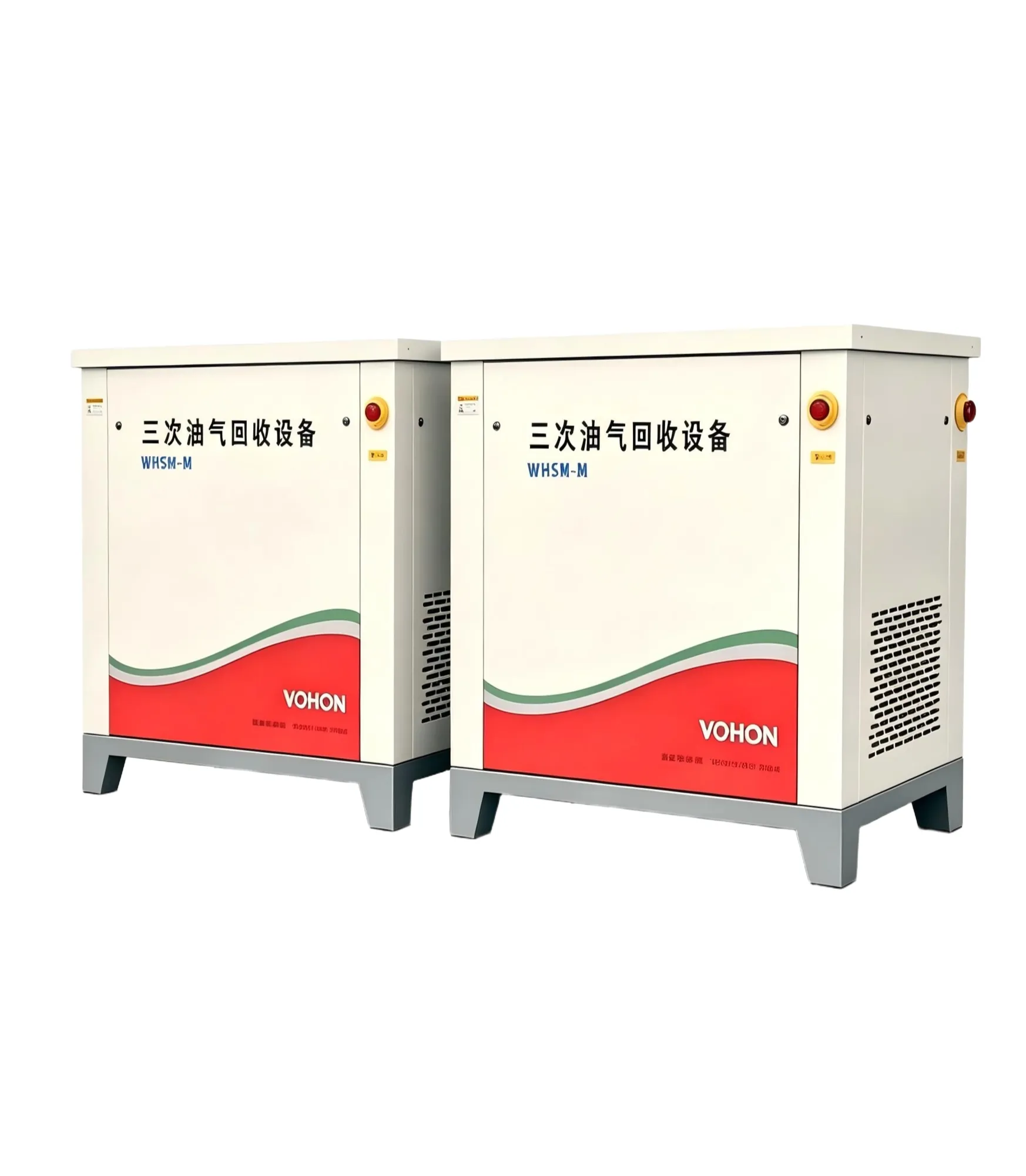
This article is compiled by Luoyang Wohong Petrochemical Equipment Co., Ltd. The company provides design and manufacturing, skid-mounted customization, installation and commissioning, as well as after-sales operation and maintenance services for three-time oil and gas recovery equipment to gas stations and oil depots. If you need on-site inspection or scheme configuration, please feel free to contact us for discussion.