In the operating costs of a three-time oil and gas recovery device, electricity consumption accounts for the majority. Many stations only have a general ledger for the electricity consumption of the device: they glance at the electricity bill at the end of the month, complain a little if the number is high, but there is no answer to where the money is spent, whether it is reasonable, or whether there is room for reduction. Analyzing electricity consumption is not difficult, but it is difficult to break down the accounts and record the data. Only by breaking it down can we know which component is the main electricity consumer, and only by recording the data can we identify abnormal trends.
Where does the electricity consumption go
The electrical components of the device are limited to a few: fan, compressor (or vacuum pump), refrigeration unit, control, and auxiliary power consumption. The proportion structure varies depending on the type of device: the refrigeration unit is usually the largest component in condensation-based devices, accounting for more than 60%; in devices with a combination of adsorption and condensation, the proportion of the fan and desorption heating increases. By understanding the proportion structure of one's own device, the direction for reducing energy consumption will not be misguided - when the refrigeration unit is the largest component, focusing on energy saving in the fan is of little significance.
Auxiliary power consumption is often overlooked: small components such as heat tracing, lighting, and instrument power supplies may not seem significant individually, but when added together, they typically account for around 10% of the total. In low-temperature regions during winter, the proportion of heat tracing power consumption increases significantly.
How to record data
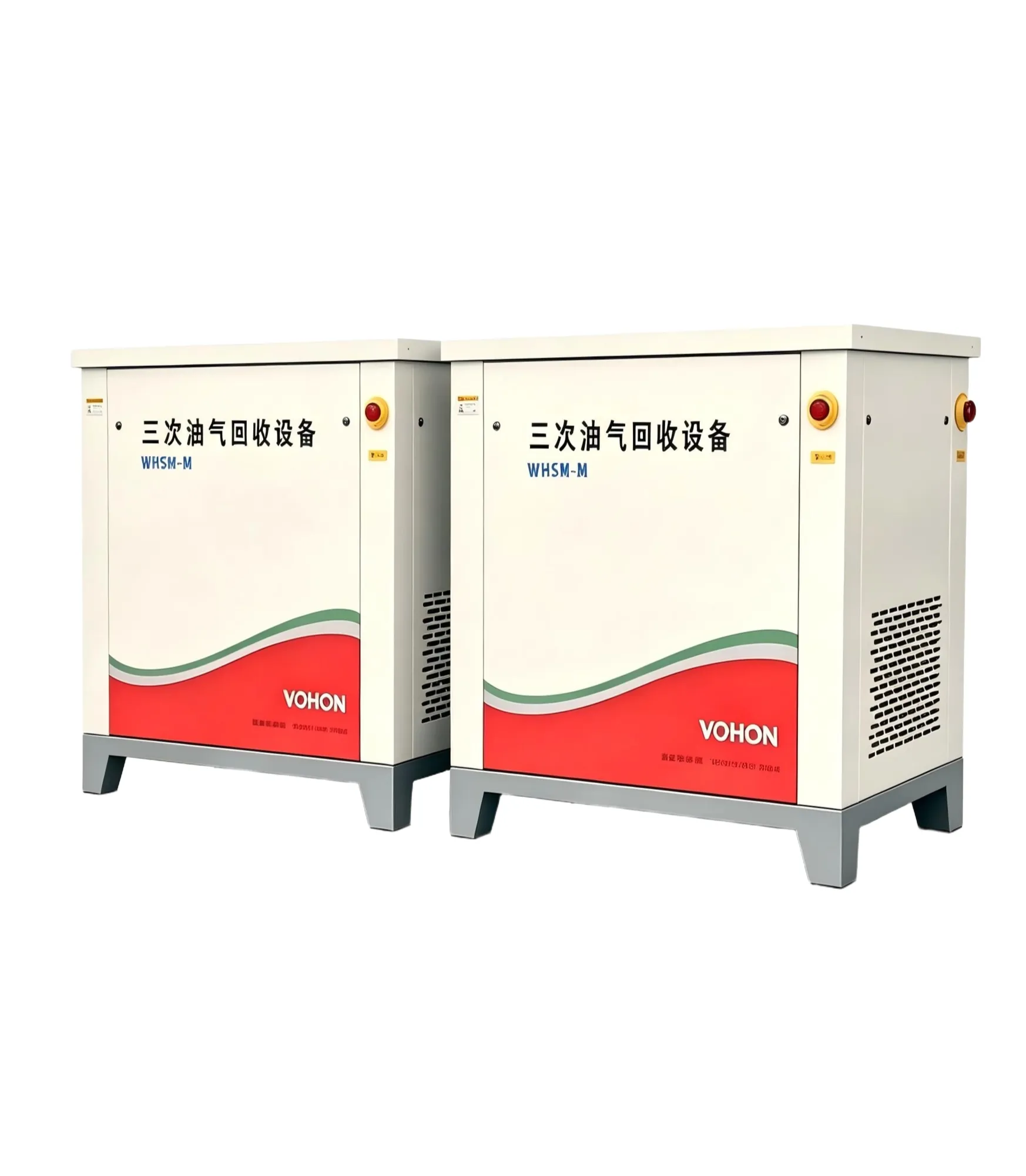
It is best to record electricity consumption in two levels: the main meter records the daily electricity consumption of the device, which is combined with the daily fueling volume and the number of fuel unloading times; if conditions permit, install sub-meters for major components, or use the current records from the control system for conversion. The unit of measurement is "electricity consumption per ton of recovered volume" or "electricity consumption per kiloliter of fueling volume". The former reflects the recovery efficiency, while the latter reflects the operational burden. Both measurements should be calculated monthly.
The frequency of recording doesn't need to be too frequent; daily accumulation and monthly analysis are sufficient. The key is persistence: only continuous data over three months can distinguish between normal fluctuations and real trends.
Find potential for reducing consumption from the data
There are several common reasons for a sudden increase in unit power consumption: scaling on the heat exchange surface reduces the efficiency of the refrigeration unit, requiring more power for the same amount of recovery; changes in inlet temperature and concentration cause the unit to operate at high load for extended periods; improper frequency conversion or start-stop settings result in inefficient operation of the device under low load. By comparing the monthly curve of unit power consumption with maintenance records and climate records, the causes of most abnormal points can be identified.
The potential for consumption reduction should be viewed from two perspectives: the operational potential can be realized through adjustments, such as timely cleaning of heat exchange surfaces and seasonal correction of start-stop logic; the investment potential should be calculated and determined, such as installing frequency converters, modifying heat exchange processes, and calculating the payback period for investment and savings.
How to reduce energy consumption in operation scheduling
| Measures to reduce consumption | method | Effective method |
|---|---|---|
| Cleaning of heat exchange surface | Arrange according to the trend of pressure difference | Unit efficiency recovery |
| Correction of start-stop logic | Adjust thresholds according to the season | Reduce inefficient start-up and shutdown |
| Off-peak operation | Peak-hour centralized batch processing | Load rate increases |
| Utilization of natural cold sources | Prioritize cooling during low temperature periods | The cooling load decreases |
| Frequency conversion retrofit | Calculate the payback period before investment | Power saving under partial load |
| Heat tracing management | Put into use according to temperature zones | The auxiliary power consumption decreases in winter |
The core of reducing consumption in operational arrangements lies in allowing the equipment to operate within an efficient range: centralized operation during peak periods of oil unloading and refueling to avoid idle running of the equipment throughout the day; when natural cooling sources are available during low temperature periods, priority is given to utilizing environmental cooling to reduce refrigeration load; buffer capacity is coordinated with batch processing operations to ensure that each startup operates at a reasonable load rate. These arrangements do not require additional costs and rely on adjustments to operational habits.
Steps of analysis
- Install meters or use current conversion to establish daily electricity consumption records;
- Calculate the electricity consumption per unit of recycling and the electricity consumption per unit of refueling monthly;
- Compare the electricity consumption curve with maintenance, climate, and operational data;
- For abnormal months, first check the heat exchange surface and settings, and then check the status of the components;
- Implement operational measures first, and determine investment measures based on the payback period;
- The effectiveness of consumption reduction measures is verified using data from the following month, forming a closed loop.
Frequently Asked Questions
What is considered normal for unit electricity consumption?
It is related to the type of device, climate, and oil product structure, and there is no uniform standard. A practical approach is to compare with oneself: use the normal month during the initial operation period or after maintenance as the baseline, and if there is a deviation of more than 20% from the baseline, the cause should be investigated.
Is it always cost-effective to install a frequency converter?
Not necessarily. For devices with large load fluctuations and long periods of partial load operation, the benefits of variable frequency are obvious; for devices with stable loads, the benefits are limited. Before installing, calculate the payback period using operational data. It is generally worthwhile to invest if the payback period is less than two years.
Is the increase in electricity consumption during winter a malfunction?
Mostly not. Heating loads in low temperature environments and the use of heat tracing will increase electricity consumption, which is a seasonal phenomenon. By noting the seasonal factors next to the analysis table and comparing winter data with previous winters, one can avoid being misled by seasonal fluctuations.
This article is compiled by Luoyang Wohong Petrochemical Equipment Co., Ltd. The company provides design and manufacturing, skid-mounted customization, installation and commissioning, as well as after-sales operation and maintenance services for three-time oil and gas recovery equipment to gas stations and oil depots. If you need on-site inspection or scheme configuration, please feel free to contact us for discussion.