Maintenance and emergency repairs are a pair of rivals: if maintenance is done in advance, emergency repairs will be less frequent; if maintenance is too much in arrears, equipment will seek to malfunction as a way to demand maintenance. The annual maintenance plan is to schedule all the maintenance tasks for the entire year in advance, with budgets, spare parts, and power outage windows all planned in advance, so that the device can shift from "repairing only when it breaks down" to "maintaining as planned". Whether the plan is well-prepared can be judged by two numbers at the end of the year: whether the number of emergency repairs has decreased, and whether maintenance has been completed on schedule.
How is maintenance graded
Maintenance is divided into three levels based on depth: daily maintenance is carried out by operating personnel themselves, including cleaning, fastening, replenishment, and appearance inspection, which is integrated into daily patrol inspection and does not require additional working hours; first-level maintenance is scheduled quarterly, incorporating lubrication, filter element inspection, heat exchange surface pressure difference assessment, and electrical terminal fastening, which requires a power outage window of about half a day; second-level maintenance is scheduled annually during the off-season, involving heat exchange surface cleaning, batch replacement of seals, control system calibration, and overall performance testing, usually lasting two to three days. Each level has its own depth, and combining them would result in neglecting both ends.
How to determine the cycle
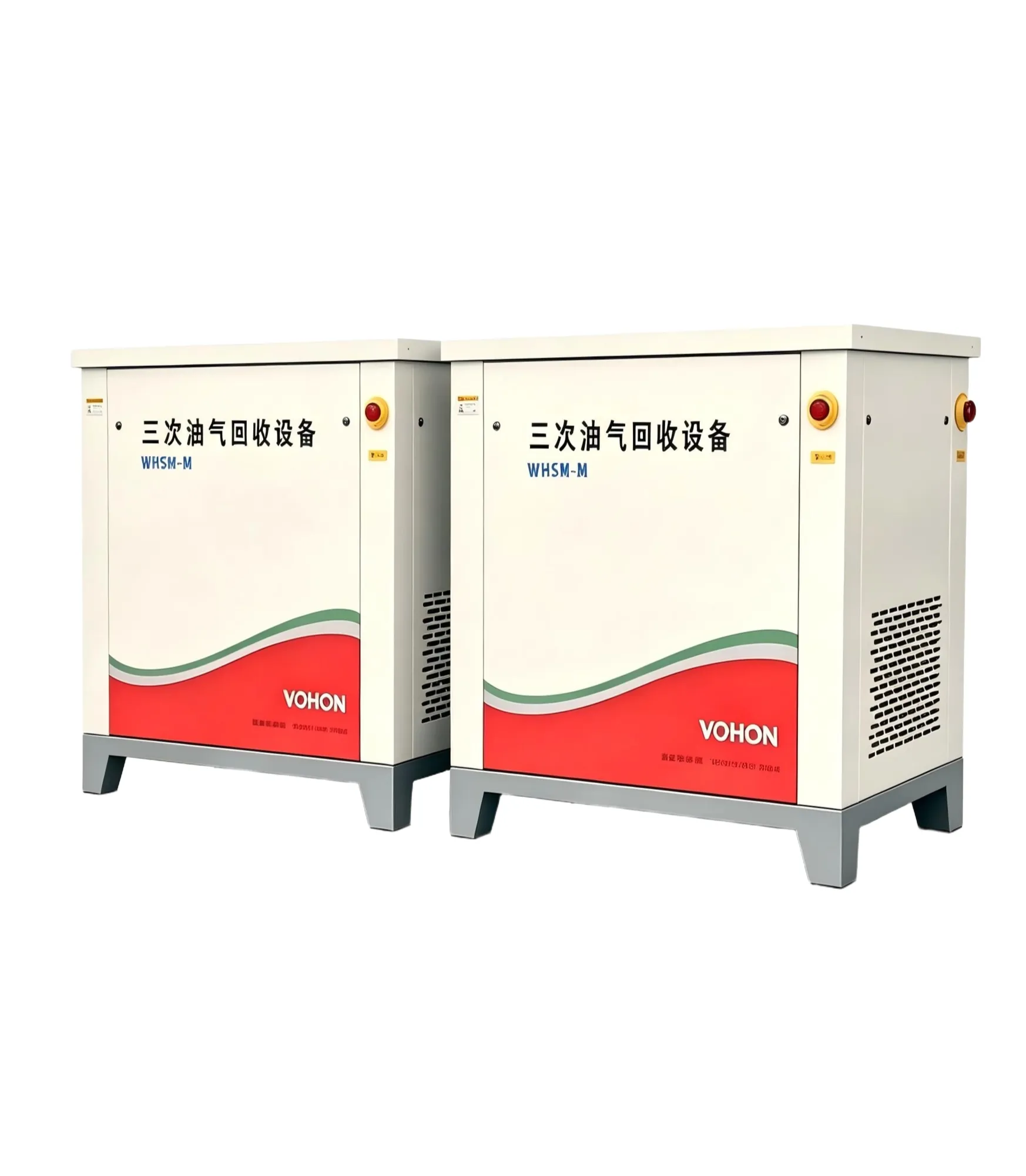
The maintenance cycle is based on two criteria: the general baseline provided in the manufacturer's manual and the actual operational data of the device. The cleaning cycle of the heat exchange surface depends on the trend of pressure difference. For sites where the pressure difference increases rapidly, the cycle should be shortened. The replacement schedule for seals is determined based on leakage records. For filter elements, the replacement schedule is determined based on the pressure difference or time limit, whichever comes first. The plan should clearly state the basis for each item, and there should be data support during implementation. Only then can adjustments to the cycle be made with a clear approach, rather than just making decisions based on intuition. After setting the cycle, flexibility should be maintained: peak and off-peak seasons, weather conditions, and other on-site operations may all occupy the window. The plan should allow for a one-week buffer for each maintenance item. Any adjustments to this buffer should be recorded in the ledger to avoid "unaccounted-for debts".
How to compile an annual plan
The schedule table has three columns: project, cycle, and window. The window refers to the arrangement of power outages and downtime. The annual in-depth maintenance is scheduled during the off-season, combined with other power outage operations within the station, to reduce the impact on operations. Spare parts and consumables are prepared one month in advance as planned. Outsourced projects (heat exchange cleaning, instrument calibration) are booked in advance. After completing the implementation throughout the year, a review is conducted, and deviations between actual and planned results are recorded as the basis for revising the cycle for the next year. The plan is not just hung on the wall: the implementation progress is checked monthly, reasons for delayed projects are stated, and for continuously delayed projects, the cycle is reviewed to determine whether it is appropriate.
Maintenance grading reference
| Maintenance level | period | Main content |
|---|---|---|
| routine maintenance | Daily embedded inspection | Cleaning, fastening, replenishment, and appearance inspection |
| first-level maintenance | quarterly | Lubrication filter differential pressure electrical terminal |
| secondary maintenance | Every year during the off-season | Heat exchanger cleaning, seal replacement, and calibration |
| Heat transfer surface | "Pressure difference trend" | Trend-based fixed-period calendar with unequal days |
| Seal | According to the leakage records | "Leakage rhythm determines replacement" |
| Outsourced project | Lock the schedule in advance | Cleaning and verification are arranged according to the window schedule |
Steps of preparation and implementation
- Summarize the requirements of the manufacturer's manual and the records of faults, pressure differences, and leaks of this device;
- List the annual maintenance items at three levels: daily, quarterly, and annual;
- Check against the business calendar and identify the power outage windows for each maintenance session;
- Spare parts, consumables, and outsourced projects should be fully prepared according to the window schedule;
- Implement as planned, and record the actual working hours and replacement parts;
- Review the discrepancies from the year-end and revise the next annual cycle and projects.
Frequently Asked Questions
What should I do if the maintenance plan I made is always disrupted?
Allow flexibility but keep track of progress: Projects completed within one week before or after the planned window are considered on schedule, and any further delays will be recorded in the deviation log. Projects that are delayed for two consecutive quarters indicate that the cycle is not appropriately set. Instead of suppressing tasks, adjust the cycle.
Must the annual deep maintenance be done by the manufacturer?
Most items for Level 1 and Level 2 maintenance can be completed within the station under guidance; Level 2 maintenance involves heat exchange cleaning and control verification. It is recommended that the manufacturer conduct it once for the first time, disclosing tools, chemicals, and acceptance standards, and then carry it out independently with remote support from the manufacturer.
How long should maintenance records be kept?
Preserved for the same lifespan as the equipment archives: Maintenance records serve as the basis for fault tracing and equipment valuation. Both electronic records and paper signed copies should be kept, with replacement parts and labor hours being fully recorded each time.
This article is compiled by Luoyang Wohong Petrochemical Equipment Co., Ltd. The company provides design and manufacturing, skid-mounted customization, installation and commissioning, as well as after-sales operation and maintenance services for three-time oil and gas recovery equipment to gas stations and oil depots. If you need on-site inspection or scheme configuration, please feel free to contact us for discussion.