The impact of winter on the three-way oil and gas recovery device is concentrated in three aspects: condensate is more prone to precipitate and freeze, the performance of instruments and pipeline accessories changes at low temperatures, and the temperature difference during start-up and shutdown tests the seals and fasteners. Seasonal change is not just about extra work, but about changing the direction of work - focusing on defrosting and condensation temperature levels in summer, and on antifreeze and emission frequency in winter. Completing seasonal change projects in advance will make the operation much smoother throughout the winter, and reduce the number of nighttime freeze-up repairs.
What preparations should be made before the change of seasons
Seasonal inspection should be completed before the temperature stabilizes and drops to freezing point: conduct power-on testing of the tracing band section by section, comparing the current and temperature rise with the record book; inspect the insulation layer for damage and moisture, repair the damaged parts, as the wet insulation layer not only fails to function in winter but also accelerates corrosion of the pipe wall; drain and remove impurities from the condensate tank and various low-point discharge outlets, clearing away the impurities accumulated in summer to make room for high-frequency discharge in winter; check the breathing valve and flame arrester for flexibility to prevent jamming at low temperatures. Record the inspection results in the seasonal inspection record book, compare them with records from the same period last year, and include parts with accelerated deterioration in the key observation list.
Which parts are most prone to frostbite
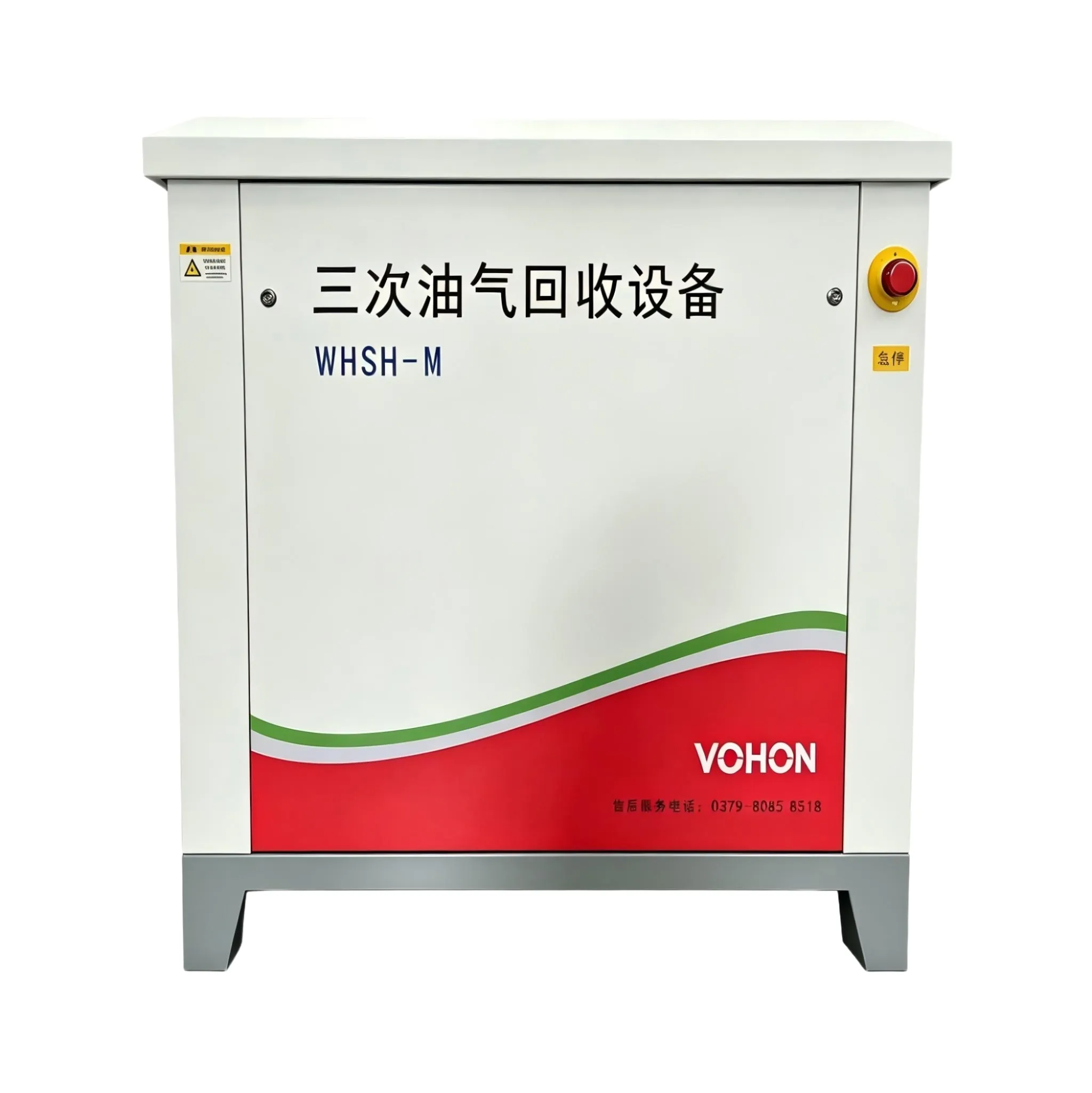
The discharge and liquid outlet ports are the primary freezing points - a small amount of water that is discharged intermittently accumulates and freezes at the valve port, blocking not only the discharge but also the upstream gas path. The pressure conduit of the liquid level gauge has a small diameter and contains less medium, making it most prone to freezing and blockage. The pressure taps of instruments and the pressure conduit of transmitters are similar in this regard. At low points and sections with gentler slopes in outdoor pipelines, the flow rate of condensate is slow, and these locations are the first to freeze. Listing the above-mentioned parts as key anti-freezing points and checking them point by point during inspections is much more reliable than just making a round based on impression. Operators newly assigned to the station can follow the list without missing any parts.
How to conduct antifreeze management
| body part | Risk of freeze-up | Antifreezing measures |
|---|---|---|
| Low point drain | The liquid stored in the valve port has frozen | The emissions will be shut down immediately after being discharged in the afternoon |
| Pressure guiding tube of liquid level meter | The diameter is small, prone to freeze and blockage | Local insulation and tracing |
| Pressure tapping tube for instruments | The medium is slightly frozen | Pressure conduit insulation inspection |
| Low point of outdoor pipeline | The flow rate of the condensate is slow | "Heat tracing is put into use in stages" |
| Breather valve flame arrester | Low temperature jamming | Seasonal change action check |
| Condensate tank | High-frequency emissions in winter | Drain in advance to free up capacity |
Heat tracing is deployed based on temperature levels: it is only used at night and during low temperature periods in early winter, and then used throughout the day in late winter, with the deployment period adjusted according to temperature. For sections with heat tracing malfunctions, regular emissions are temporarily used as a substitute, with the frequency of emissions increased accordingly, and maintenance spare parts are arranged simultaneously. Emission operations are avoided during the low temperature periods in the morning and evening, and are conducted during the highest temperature period in the afternoon. After emission, the valve is closed immediately to prevent liquid accumulation in the valve port overnight. An anti-freezing item is added to the inspection record, and an alarm linkage duty phone is provided during low temperature periods at night - the disposal window for frozen blockages is during the day, and information from the night cannot be waited until morning.
What changes occur when operating at low temperatures
Low temperature is beneficial to the recovery process itself - the condensation temperature level is easier to achieve, and both the recovery rate and energy consumption are improved; however, there are two points to note: First, the viscosity of oil products and condensate increases, slowing down the flow, and the time for low-point discharge is longer than in summer, so don't rely on summer experience to set the timing; second, the drift of instrument readings is more pronounced at low temperatures, and the baseline values for pressure difference and liquid level should be recalibrated based on winter operating conditions for accurate judgment. Whether the data changes are seasonal or due to malfunctions can be distinguished by comparing records from winter and summer. If the changes cannot be distinguished, first check according to the malfunction plan and then make a decision.
Steps of seasonal management
- Complete seasonal inspection and conduct item-by-item testing of heat tracing and insulation before the temperature steadily drops;
- The condensate tank and low-point blowdown for impurity removal provide capacity for high-frequency emissions in winter;
- List the key anti-freezing parts and conduct patrol inspection and verification point by point;
- Heat tracing is deployed based on temperature classification, and the faulty pipe section is replaced with densified discharge;
- The emission is scheduled during the high-temperature period in the afternoon, and the equipment is shut down immediately after emission without retaining any liquid;
- Re-calibrate the winter baseline values, and compare the data to distinguish between seasons and faults.
Frequently Asked Questions
Will the heating cable consume electricity if it is continuously powered on?
Using equipment based on temperature classification is a way to save electricity: in early winter, it can only be used at night and during low temperature periods, and in late winter, it can be used throughout the day. With well-insulated pipe sections, the actual electricity consumption is not high, and it is more cost-effective compared to the cost of stopping the machine due to freeze-up.
What should I do if I find the pipe section is frozen and blocked?
First, shut down the relevant pipeline section, and slowly heat it from the outer end using warm water or low-pressure steam, avoiding direct open flame baking. After thawing, retest the pressure difference to confirm its patency, and then investigate the cause of the freeze blockage - whether it is due to heat tracing failure or delayed drainage. After addressing the issue, implement the necessary measures.
Do stations in the south also need to be protected against frost in winter?
A short period of low temperature does not mean none: Freezing and blockage during individual cold wave nights can still cause equipment to shut down. Setting up the minimum configuration based on local meteorological conditions - local insulation for discharge outlets and pressure pipes, coupled with increased patrols during cold wave warnings - is very cost-effective.
This article is compiled by Luoyang Wohong Petrochemical Equipment Co., Ltd. The company provides design and manufacturing, skid-mounted customization, installation and commissioning, as well as after-sales operation and maintenance services for three-time oil and gas recovery equipment to gas stations and oil depots. If you need on-site inspection or scheme configuration, please feel free to contact us for discussion.