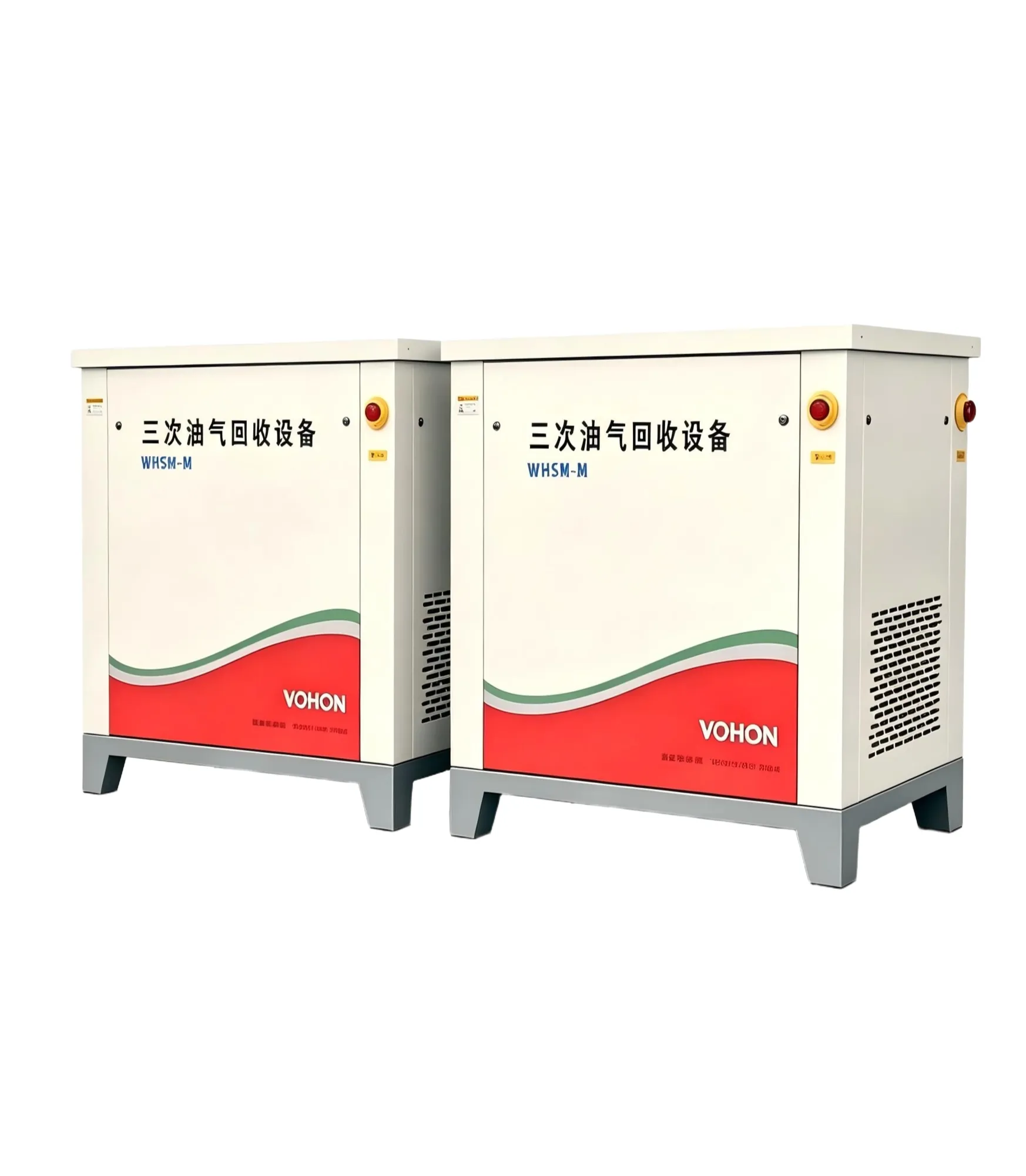
The emission outlet is the final checkpoint of the three-stage oil and gas recovery device: no matter how well the recovery stage performs, if the checkpoint stage is not awesome, the emission concentration will still remain stagnant. The core of emission outlet management lies in three things - arranging reasonable testing frequencies, maintaining continuous data recording, and having contingency plans for handling anomalies. None of these three things are complicated; the key is persistence. The risk of exceeding standards often arises from the inertia thinking of "it was qualified last month," and by the time it is discovered, the window for handling it is already narrow.
How to arrange the testing frequency
The frequency is arranged according to risk: During the initial stage of device operation, weekly inspections are conducted to understand the concentration levels under different operating conditions, establishing a baseline for subsequent judgments. After the operation becomes stable, self-inspections are conducted monthly, and sample comparisons or commissioned verifications are performed quarterly. When operating conditions change, the frequency is increased - a round of additional inspections is conducted after changing oil types, maintenance, and seasonal transitions. By combining self-inspections with external verifications, the data is both continuous and credible. Relying solely on external inspections once a year would miss all intermediate fluctuations, making trend warnings impossible to discuss.
How to record test data
Each inspection records five items: inspection time, device operating conditions (recovery volume and start-stop status), inlet concentration, outlet concentration, and meteorological conditions. Single data should be viewed in the context of trends: plot the emission concentrations of the past three months as a curve. A slow upward trend is more valuable for early warning than a single instance of exceeding standards. When the material in the inspection section nears the end of its lifespan, the concentration rises steeply. The trend chart can provide signals two to three weeks in advance, allowing for a leisurely replacement window. The data is recorded in a unified table, with each inspector signing. Consistency in data collection ensures comparability.
What should be done if the standard is exceeded
| Abnormal situation | Common reasons | Disposal direction |
|---|---|---|
| Emission concentration ramp | Ensure the materials in the section are saturated | Queue replacement window |
| Single exceedance | Detection operation or instrument deviation | Re-check and then locate |
| The inlet concentration is on the high side | The efficiency of the upstream recycling section has declined | Temperature measurement and adsorption section |
| Damper misalignment | It has not been reset after maintenance | Reset and verify the opening |
| The smell is distinct | Unorganized emission leakage | Check the sealing of the collecting end |
| Repeatedly at the same location | The treatment is not getting to the root of the problem | Upgrading special inspection |
The disposal process follows three steps: first, review - eliminate factors related to testing operations and instruments to confirm the actual excess; then, locate the problem - if the inlet concentration is normal but the emission exceeds standards, the issue lies in the control section, and it is necessary to check whether the materials are saturated and whether the air valves are misaligned; if the inlet concentration itself is high, the problem lies in the upstream recovery section, and it is necessary to check the condensation temperature level and the state of the adsorption section. After locating the problem, address it item by item, and upon completion of the treatment, conduct a retest for confirmation. The entire process should be recorded in the abnormality log. The disposal of excess is not difficult; the difficulty lies in not delaying - initiating a review on the day the anomaly is discovered to keep the disposal cycle under control.
How to use the exception ledger
The ledger is recorded entry by entry: date, phenomenon, localization process, treatment measures, and retest results, with one entry per line. The ledger serves two purposes: in the short term, it monitors recurrences - repeated anomalies at the same location within a quarter indicate that the treatment has not addressed the root cause, and should be escalated to a special inspection; in the long term, it tracks the lifespan - the actual replacement cycle of check segment materials and seasonal drift of condensation temperature levels are all derived from the ledger data, and the refueling plan and maintenance plan are scheduled accordingly. With the use of the ledger, management shifts from reactive response to proactive arrangement based on data, and inspection is no longer a burden to cope with.
Steps of emission management
- The frequency of inspections should be determined according to the operational phase, with increased frequency during the initial stage and then transitioning to a regular schedule once stability is achieved;
- Each time, five records are examined, and the data is plotted into a trend curve;
- If the concentration trend shows a slow increase, issue an early warning and schedule a replacement window in advance;
- For exceeding standards, first review and then reposition, and separately inspect the quality control section and the recycling section;
- After disposal, conduct a retest for confirmation, and record each abnormal entry in a separate ledger entry;
- Conduct quarterly inventory checks and update material replacement and maintenance plans.
Frequently Asked Questions
Is the self-test data reliable? Will it not match the external test results?
The discrepancy in data mainly lies in the sampling location and operating conditions. By fixing the sampling point and recording the operating conditions during testing, and comparing the two sets of data on the same coordinate, the trend will be consistent. During quarterly verification, the self-testing instrument can be calibrated at the same time, so that the deviation can be controlled.
The emissions are qualified but the odor is obvious. Should we take care of it?
Yes. The odor is caused by low-concentration components, and being qualified does not mean being odorless. First, check the direction of sealing and breathing emissions, and incorporate the source of unorganized emissions into the system. The odor problem is mostly caused at the collection end rather than the emission end.
How often should the materials in the inspection section be replaced?
There is no unified cycle; instead, it is determined based on trends: when the concentration curve rises to the warning line, replacement should be arranged, as the cost of early replacement is lower than that of handling exceeding standards. After accumulating data from two or three cycles in the ledger, one's own replacement cycle will become clear.
This article is compiled by Luoyang Wohong Petrochemical Equipment Co., Ltd. The company provides design and manufacturing, skid-mounted customization, installation and commissioning, as well as after-sales operation and maintenance services for three-time oil and gas recovery equipment to gas stations and oil depots. If you need on-site inspection or scheme configuration, please feel free to contact us for discussion.