After the third batch of oil and gas recovery equipment passed the acceptance inspection and was officially put into use, many stations felt that they had achieved great success and were just waiting for the manufacturer's follow-up visit. In fact, the first period after the equipment was put into use is a golden window for observing the equipment: minor issues that were not exposed during installation and commissioning, as well as the compatibility with the actual operation habits of the station, will gradually emerge in the first few weeks. Arranging a systematic self-inspection after acceptance inspection can address issues at the budding stage. This article provides a checklist and key points for judgment for the first self-inspection.
When should the first self-check be arranged
It is recommended to schedule it after the equipment has been operating continuously for two to four weeks. If it is too early, the data from the break-in period has not accumulated yet, and the trend cannot be discerned; if it is too late, minor issues may have escalated into major ones. Choose a relatively idle period for the operation, arrange for duty personnel who are familiar with equipment operation to assist, and half a day should be sufficient.
Before conducting self-inspection, review the operation records, alarm logs, and refueling volumes for the recent period. Approach the inspection with questions in mind, as this is much more effective than mechanically going through the checklist. For stations operating smoothly with no alarm logs, the self-inspection should primarily focus on confirmation items. For stations experiencing alarms or performance fluctuations, the inspection should concentrate on troubleshooting during the fluctuation periods.
Six steps of self-inspection
- Review records: Summarize the operation logs, alarm records, and exception handling records since the system was put into use, and compile a list of suspicious points;
- Inspect the appearance: visually inspect the equipment cabinet body sealing, the surrounding foundation, and the pipeline interfaces one by one, ensuring no leakage or corrosion;
- Check status: Compare the operating parameters with the records from the initial stage of operation to confirm that there is no significant drift;
- Listen to the sound: When the equipment is operating, pay attention to whether there are any new abnormal noises, and record the location and occurrence time of the abnormal noise;
- Nuclear interface: Inspect and reset the sealing status of each refueling nozzle recovery interface and unloading return air port one by one;
- Archiving: The self-inspection results shall be documented in writing, and the doubts and handling situations shall be included in the equipment archives.
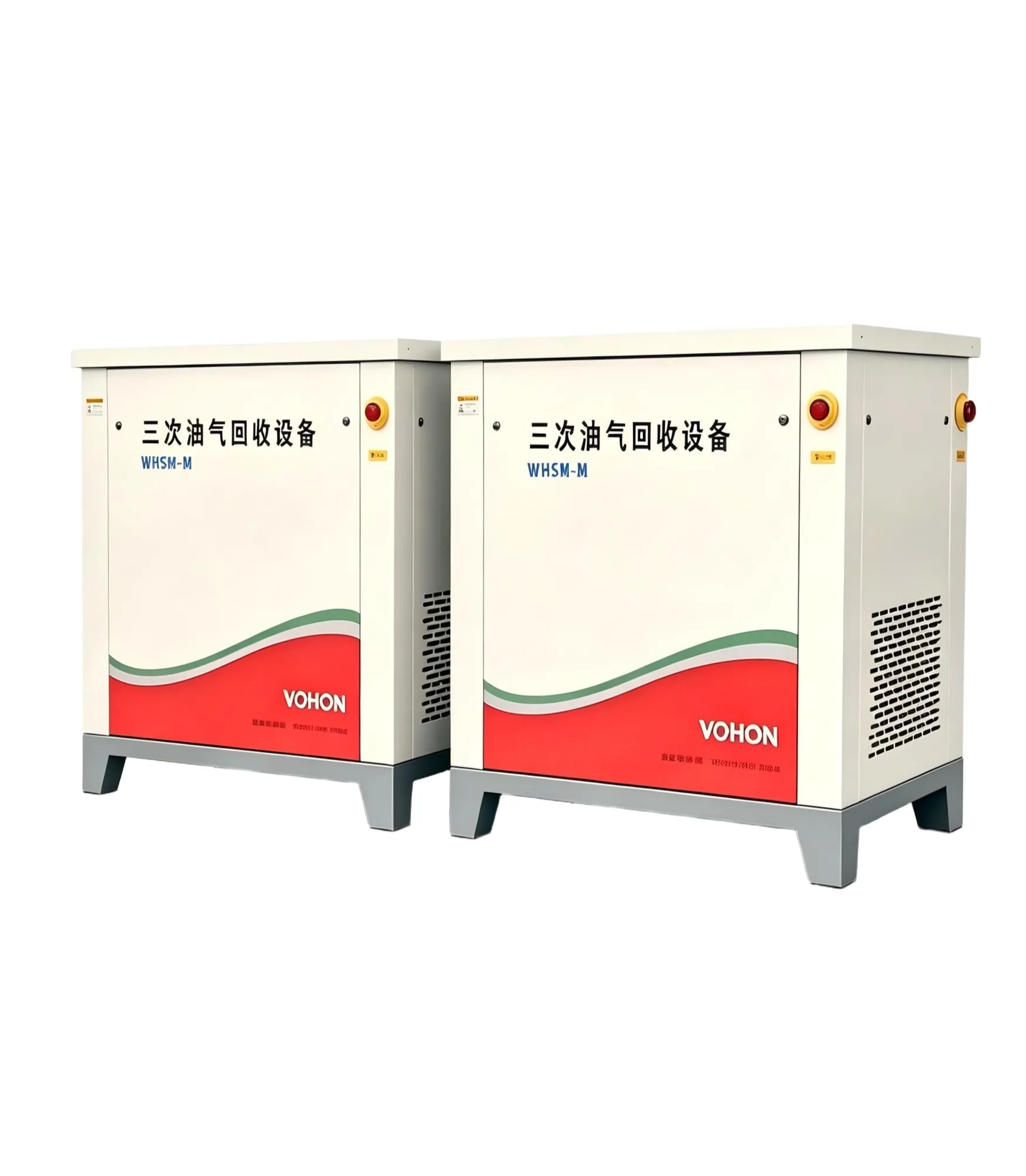
Self-inspection checklist and key points for judgment
The checklist does not need to be extensive; it suffices to focus on three main aspects: "sealing, status, and records". Sealing is fundamental to the effectiveness of recycling, status reflects the health of the equipment, and records serve as a basis for judging trends. The table below provides commonly used items and criteria for judgment, allowing each station to make choices based on its own configuration.
| inspection items | Key points of judgment | exception handling |
|---|---|---|
| Cabinet body and cable sealing | No signs of water ingress or moisture, and the sealing is intact | Replace aging parts and record the replacement locations |
| Pipeline interface | No oil leakage or odor, no looseness | Tighten or replace the seal, and verify and confirm |
| operating parameters | There is no significant drift compared to the records from the initial stage of use | If there is a noticeable drift, contact the manufacturer for interpretation |
| Abnormal noise from equipment | No abnormal noise or no increase in abnormal noise | Record the location and timing, please let the manufacturer decide |
| Fuel nozzle recycling interface | Sealed in place, clean and free of oil accumulation | Cleaning and maintenance, replacement of worn parts |
| Alarm and operation records | Record continuously and handle in a closed loop | Complete missing records and sort out unclosed items |
How to handle and record problems found
Problems identified during self-inspection are handled in two categories: those that can be addressed on-site, such as sealing components, interface cleaning, and fasteners, are dealt with immediately and documented; for issues like parameter drift, unidentified abnormal noises, and suspected component problems, the symptoms and conditions of occurrence are recorded before contacting the manufacturer. Do not attempt to disassemble or adjust the equipment yourself. The handling results must be documented in the equipment archive to ensure a closed-loop process - the value of recording lies in providing a reference for the next self-inspection, making it clear at a glance whether the problem has been addressed or recurred.
Frequently Asked Questions
Is the first self-inspection the same as the manufacturer's inspection?
No duplication. Self-inspection is a routine management action within the station, with high density and low cost; manufacturer inspections focus on professional judgment and in-depth maintenance. Self-inspection accumulates daily findings, and manufacturer inspections are conducted with this information, complementing each other.
Can I fix the problems found during self-inspection by myself?
The dividing line is "whether it involves the interior of the equipment". External seals, interfaces, and cleaning items can be handled within the station; any work that involves dismantling the equipment or adjusting parameters must be handed over to the manufacturer to avoid affecting the division of quality assurance responsibilities after acceptance.
Is there a fixed format for self-inspection records?
There is no rigid format; the key is to ensure alignment. The combination of time, project, status, and handling results is valuable. The format should be simple enough for duty personnel to fill in, which is more important than creating a beautiful table.
This article is compiled by Luoyang Wohong Petrochemical Equipment Co., Ltd. The company provides design and manufacturing, skid-mounted customization, installation and commissioning, as well as after-sales operation and maintenance services for three-time oil and gas recovery equipment to gas stations and oil depots. If you need on-site inspection or scheme configuration, please feel free to contact us for discussion.