The membrane separation oil and gas recovery solution is not a template: the gas volume pattern, oil and gas concentration, component composition, and site conditions vary at each station. The membrane area and number of stages, the matching of vacuum pumps and compressors, and the layout of skids must all be derived from actual measured data. There is a fixed process for implementing the solution - survey, design, prefabrication, installation, commissioning, and acceptance. Each step has deliverables, clear responsibilities, and controllable progress. The document also lists what the station master should cooperate with and what should be accepted at each stage; it keeps track of the entire process from survey to operation, and checks items one by one during acceptance, which saves both parties trouble. The part about the connection between training and operation and maintenance is mentioned separately, so that station personnel can get started quickly and someone is responsible for the long-term status of the device.
What is the purpose of exploration
The on-site inspection should be completed within half a day, but no aspect should be omitted: gas volume - the pattern and peak value of emissions from tank breathing, which determines the processing capacity of the device; concentration and composition - which determine the condensation temperature level and membrane area ratio; power supply conditions and explosion-proof zoning - which determine the electrical selection; site and pipeline routing - which determine the skid layout and construction workload. The inspection data should be recorded on the spot and organized back at the factory as input for scheme design. Schemes estimated based on experience are likely to require rework in nine out of ten cases.
During the survey, it is convenient to collect the peak oil receiving and dispatching periods of the site, as well as historical equipment recovery and operation records - the operation data of old devices is of great reference value for load matching, especially for renovation projects. Regarding the site, pay attention to three locations: the device foundation and maintenance space, pipeline access points, and the boundaries of power supply and explosion-proof areas. Record photos and dimensions on the spot, so that when drawing the layout plan back at the factory, there is no need for a second visit.
How to configure the scheme
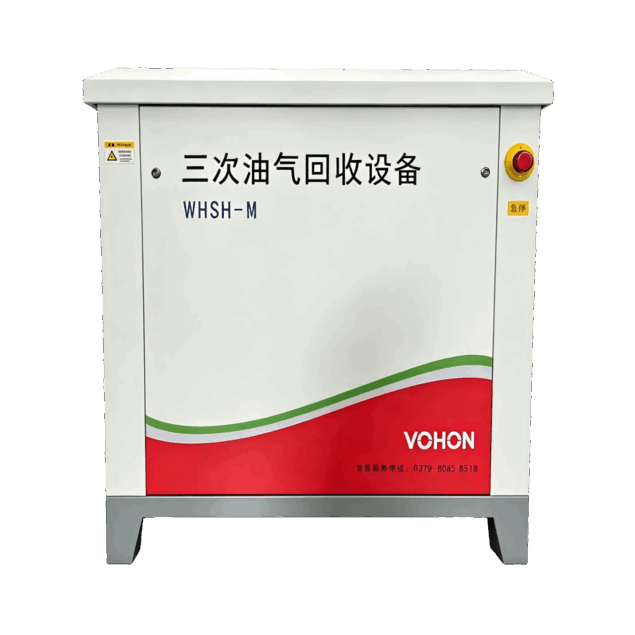
The scheme design is based on actual measured data: the membrane area and number of stages are determined according to the gas volume and concentration curves. For applications requiring high recovery rates, an additional check stage is added. The compressor is selected based on peak gas volume with allowance reserved. The vacuum pump is matched according to the permeate side load of the membrane unit. The skid-mounted layout ensures sufficient space for operation and maintenance access. The scheme outputs a configuration list and quotation, with two commitment indicators, recovery rate and emission concentration, written into the contract, which will be honored during acceptance.
Implementation and commissioning
| phase | Job responsibilities | deliverable |
|---|---|---|
| crime scene investigation | Gas volume concentration components and site conditions | Survey record |
| Scheme Design | Membrane area progression and auxiliary equipment matching | Configuration plan and quotation |
| Factory prefabrication | Skid-mounted integration and factory testing | Test Report |
| on-site installation | Takeover, power connection, and explosion-proof inspection | Installation record |
| Debugging and calibration | Performance calibration and parameter tuning | Calibration data |
| Acceptance and operation and maintenance | Dual-index acceptance and training | Acceptance documents and inspection plan |
Training is not just about teaching how to turn on and turn off machines: it is about enabling site personnel to understand the meaning of indicators such as pressure difference and vacuum degree, so that they can detect potential issues in their daily inspections at the first opportunity, rather than waiting for alarms to sound before taking action. The delivered inspection plan clearly outlines what to do daily, what to check weekly, and what accounts to reconcile monthly, ensuring that newcomers can follow the instructions without missing anything.
What should we check during acceptance inspection
The acceptance inspection focuses on two key indicators: recovery rate and emission concentration, which must be verified through actual measurements under continuous operating conditions. Additionally, stability and documentation are also considered - there must be no abnormal alarms during continuous operation, and operation training, inspection plans, and completion documentation must be delivered together. Commissioning is not the end: quarterly performance calibration, annual on-site maintenance, and the long-term status of the device are all supported by the operation and maintenance system.
Frequently Asked Questions
How long does the exploration take?
A routine site inspection can be completed within half a day, and data collation and scheme output are usually provided within a week. With actual measured data at hand, the basis for each configuration in the scheme can be explained.
Can membrane technology be used for the renovation of old stations?
可以。在原有冷凝或吸收装置后面加膜把关段,投资比整体更换省得多;改造前核算原有设备的余量,能用的留用,不够的补膜,账最清楚。
Who will be responsible for maintenance after it is put into operation?
Upon delivery, we will provide a routine inspection plan and train site personnel, with daily inspections being carried out by the site. Quarterly performance calibrations and annual maintenance will be conducted by the factory on-site, ensuring that the device status is always under supervision.
This article is compiled by Luoyang Wohong Petrochemical Equipment Co., Ltd. The company provides design and manufacturing, skid-mounted customization, installation and commissioning, as well as after-sales operation and maintenance services for three-time oil and gas recovery equipment to gas stations and oil depots. If you need on-site inspection or scheme configuration, please feel free to contact us for discussion.