Skid-mounted technology is a major advantage of membrane separation devices: the equipment is integrated and debugged in the factory, and only needs to be placed in position and connected on site, resulting in a much shorter construction period compared to traditional projects. However, quick mobilization does not mean no preparation - if the preliminary survey of site conditions, interface locations, power supply, and explosion-proof boundaries is not done properly, it will still be a chaotic scene on site. This article lists the site requirements for skid-mounted membrane separation devices, which should be checked before project initiation.
The preparation checklist before entering the site may seem trivial, but it covers all the pitfalls encountered in real projects: Once, due to the failure to verify the flatness of the foundation, the membrane module connectors were misaligned after the equipment was in place, resulting in a long period of rework; another time, the station control communication interface was not reserved, and temporary wiring and converters were added before commissioning, which not only cost extra money but also delayed the project schedule. The lessons learned from previous mistakes are all included in the checklist, so it's worthwhile to review it.
The benefits of skid-mounted systems
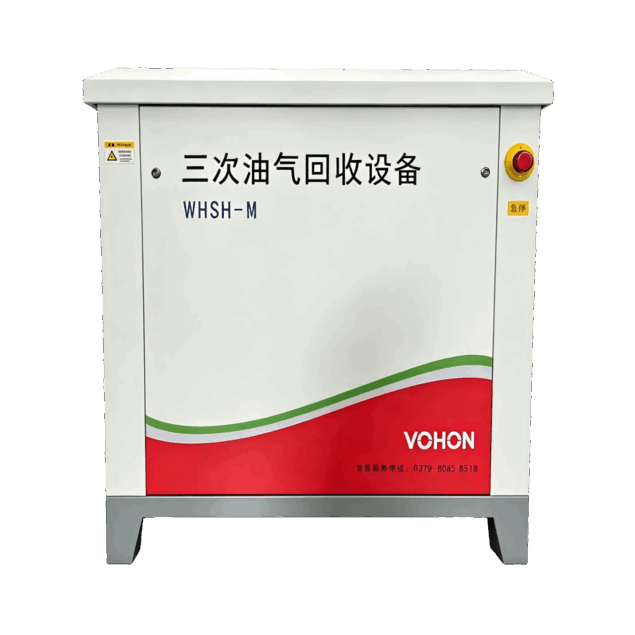
The skid-mounted device integrates the compressor, membrane module, vacuum pump, and control system onto a base in the factory, and completes joint debugging before leaving the factory, minimizing on-site civil engineering and installation work. The membrane separation device, with fewer components and shorter pipelines, is a suitable type for skid-mounting among various recovery technologies. For the station, the benefits are threefold: shortened construction period, reduced civil engineering costs, fewer connecting pipes, and material savings, as well as fast debugging and labor savings. The device also retains the flexibility for overall relocation, allowing the equipment to move along with the station during renovation or relocation, without asset scrapping.
What conditions should be set for the venue
Before laying out, verify four key aspects: First, load-bearing capacity and footprint, including the dimensions of the base and the maintenance access, with space reserved around for door opening and core extraction; second, clearance, the height required for membrane module replacement and compressor lifting; third, spacing, the safety distance from storage tanks and oil unloading points, verified according to fire safety regulations; fourth, environment, avoiding low-lying areas with standing water, considering sunshade and rainproof measures above the device, and paying more attention to ventilation in high ambient temperature areas in summer. The foundation should be determined after verifying all four aspects on the drawings, which is much more convenient than making adjustments on site.
What are the interfaces
The interfaces are divided into four paths: the process connection pipes are for oil and gas inlet, purification discharge, and enriched gas recovery, with locations and elevations determined according to the on-site pipe gallery; power is fed into the distribution cabinet according to the device capacity, and electrical interfaces within the explosion-proof area are constructed according to the zoning level; if instrument air and nitrogen are used, separate interfaces are reserved; the control system reserves communication interfaces for station control, and the central control room can view the uploaded data. The list of interfaces is confirmed item by item during the contract phase to avoid disputes after mobilization.
It is recommended to involve the site operator in the confirmation of the layout plan: where the operation side should face, how the inspection route should be, whether the sampling ports are accessible enough, etc. The operator has the most say in these user experience issues. Adjustments before equipment finalization are cost-free, but changing after commissioning will require pipeline modifications. After the drawings are confirmed, both parties should sign and archive them. Construction should be carried out according to the drawings upon entry, and any changes should follow a written procedure.
List of arrangements
| project | Check the content | Prone to leakage |
|---|---|---|
| Bearing capacity and land occupation | Base size and channel | Maintenance and core-pulling space |
| clear height | Component replacement and lifting | Lifting operation radius |
| Safety clearance | "Unloading point of storage tank" | Fire prevention code verification |
| Environmental ventilation | Drainage, shading, and ventilation | High ambient temperature in summer |
| Process Interface | Import and export elevation | Pipe gallery slope orientation |
| Electrical communication | Capacity and Partition Level | Station control communication reservation |
Steps from mobilization to commissioning
- The foundation and anchor bolts shall be constructed according to the drawings, and the flatness shall be verified before entering the site;
- Align the device in place, and purge the pipeline before connecting to prevent debris from entering;
- Electrical wiring and grounding construction, as well as explosion-proof inspection, should be carried out in accordance with the process;
- Complete single-unit commissioning, joint commissioning, and load commissioning in order;
- The acceptance documents and training disclosure shall be delivered simultaneously, and the patrol inspection shall be intensified in the first month after commissioning.
Frequently Asked Questions
Is the existing space small enough to accommodate the equipment?
The skid-mounted device occupies a compact area, making it suitable for most site spaces. During the survey, the actual measurement should be conducted based on the base size plus the passage. In some compact scenarios, the vacuum pump or condensation section can be arranged separately, at the cost of more connecting pipes.
Can the original equipment be retained during the renovation of old devices?
It can be evaluated. If the original condensation section or booster equipment is in good condition, the membrane section can be added as a subsequent stage. The interface docking and control integration can be designed together in the plan, and the modification is more cost-effective than building a new one.
Will it be convenient to move the device later?
The skid-mounted base and quick-connect design provide room for relocation: after disconnecting the pipes and power, the entire unit can be lifted away and reconnected according to the checklist. Before relocation, it should be purged and sealed, and upon arrival at the new site, the commissioning process should be followed again.
This article is compiled by Luoyang Wohong Petrochemical Equipment Co., Ltd. The company provides design and manufacturing, skid-mounted customization, installation and commissioning, as well as after-sales operation and maintenance services for three-time oil and gas recovery equipment to gas stations and oil depots. If you need on-site inspection or scheme configuration, please feel free to contact us for discussion.