The membrane module is one of the most valuable components in the membrane-based oil and gas recovery device. Two issues that the station manager is particularly concerned about are: how long can it be used? When should it be replaced? Lifespan is not a fixed number of years, but a set of trend data - the trajectory of flux, pressure difference, and separation effect over time. By monitoring these curves, the lifespan assessment can be based on evidence, and the replacement timing can be set before performance degradation rather than after. This article clarifies the assessment method and judgment sequence according to the actual accumulation of operational data; the tables in the article can be directly copied into the format of an inspection logbook.
What determines lifespan
The lifespan of a membrane layer depends on three factors: first, the cleanliness of the gas entering the membrane, where particulate matter, liquid droplets, and high humidity conditions pose the greatest threat to the performance of the separation layer; second, the stability of the operating pressure, where frequent sudden pressure changes pose a mechanical impact on the membrane layer; third, the cumulative operating conditions, where devices in high-temperature and high-humidity areas naturally degrade faster. For the same batch of membranes, the lifespan difference between devices with proper pre-treatment and those that fail can be several times greater. When evaluating lifespan, it is much more reliable to review the operational records of these three factors rather than simply looking at the service life.
How to judge the decrease in flux
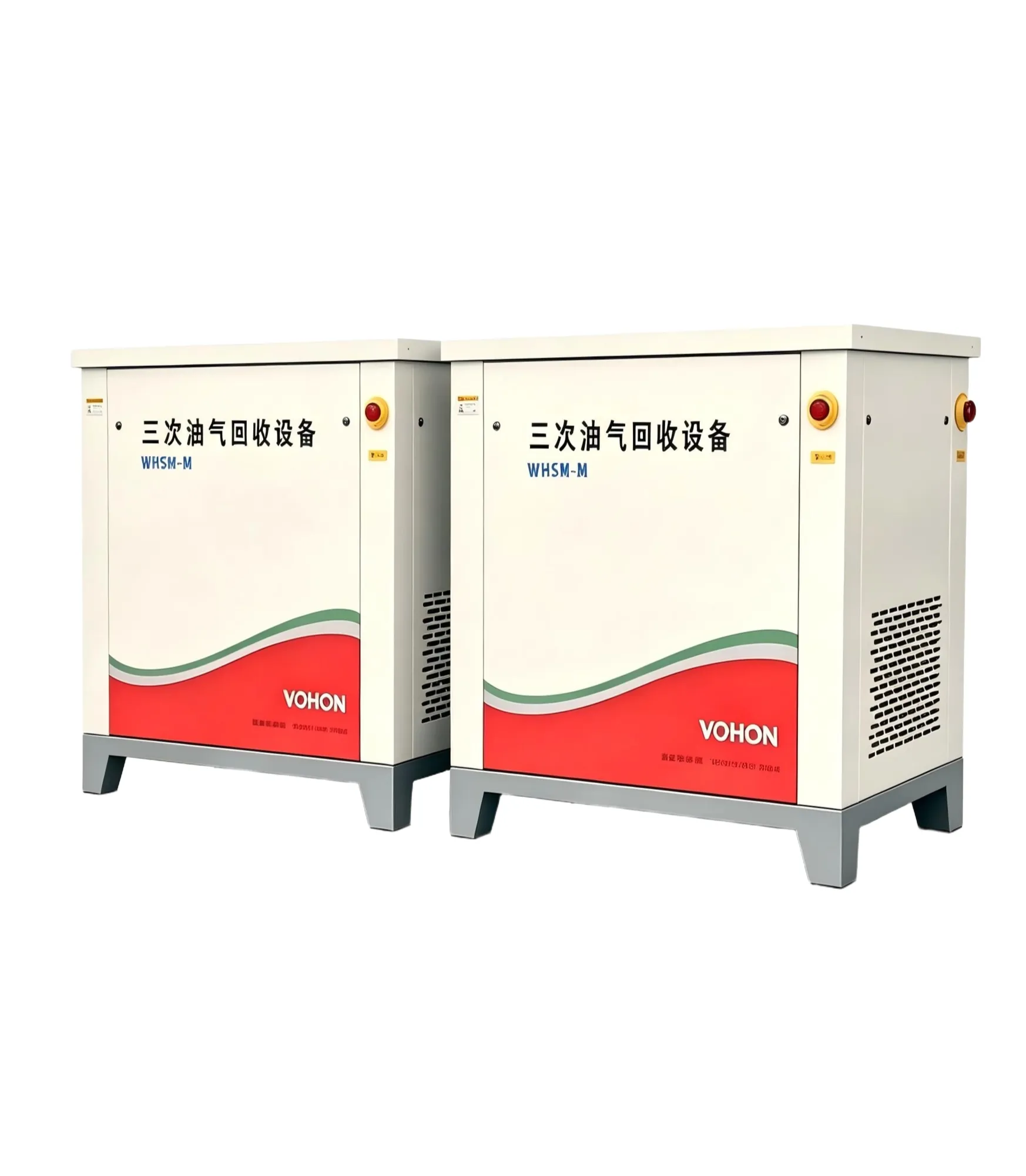
A decrease in flux does not necessarily mean the membrane is damaged. The order of diagnosis is important: first, check the pressure difference before the membrane - if it increases, it is likely that the pre-filter material is clogged, and the flux will likely decrease after replacing the material; then, check the vacuum system - if the vacuum level is insufficient, it will directly reduce the driving force, and the permeate rate will decrease accordingly; third, check the temperature and dehumidification before the membrane - condensation of moisture on the membrane surface can temporarily mask the membrane's performance; only after ruling out the first three items should the performance calibration of the membrane layer itself be conducted. Most so-called membrane degradation is actually due to pre-treatment failure, allowing contaminants to reach the membrane surface. Restoring the pre-treatment stage will likely restore the membrane's performance.
Where does the evaluation data come from
The foundation of the assessment is daily data: pressure difference, vacuum degree, and permeate side flow are recorded daily, and trends are plotted weekly; the dates and contents of filter material replacement and vacuum pump maintenance are recorded in a ledger; performance calibration is conducted quarterly, and the calibration values are compared with the initial operating values, making the attenuation rate clear at a glance. Without continuously accumulated data, life assessment can only be guessed, and the timing of replacement is either wasteful in advance or delayed until the recovery rate drops.
When evaluating, it is also necessary to distinguish the time scales of two types of indicators: fast variables such as pressure difference and vacuum degree reflect the daily operating conditions, and fluctuations are normal, with a focus on sudden changes; slow variables such as quarterly calibration values reflect the true state of the membrane layer, with a focus on trends. It is a common misjudgment to draw conclusions about the lifespan of the membrane layer based on daily fluctuations of fast variables - treating a week's pressure difference fluctuations as attenuation and wrongly accusing a good membrane. Only by using two different yardsticks can conclusions be valid.
Evaluation reference indicators
| indicator | Evaluation criteria | Abnormal direction |
|---|---|---|
| Pressure difference before membrane | Compared with the same period last month | The increase is mostly due to filter material blockage |
| degree of vacuum | Rated range | Check the pump and seal |
| Permeate flow rate | Check in conjunction with pressure difference | Preprocessing before descent |
| emission concentration | Below the limit | Check the film thickness and working conditions against the standards |
| Quarterly calibration value | Compare with the initial operating value | Key assessment for attenuation exceeding 20% |
| Integrity of ledgers | Replacement and maintenance records | "Missing items should be supplemented first, then evaluated." |
How to grasp the timing of replacement
- After excluding all the pre-treatment segments, if the retested flux still fails to reach 80% of the design value, it shall be listed for observation;
- If the downward trend persists for two consecutive quarters, initiate a replacement assessment;
- Before replacement, calculate the economic benefits using calibration data: compare the replacement cost with the loss of recovery quantity;
- The replacement is scheduled during the low-traffic period of oil receiving and dispatching to minimize the impact of downtime;
- The retained sample of the replaced film layer will be analyzed to accumulate basis for the selection of the next batch;
- After replacement, perform recalibration and archive it as a new performance benchmark.
Frequently Asked Questions
How many years can a membrane generally last?
The lifespan is directly related to the cleanliness of the medium, the level of pressure stabilization, and the quality of inspection: devices with proper pre-treatment and stable pressure difference can maintain membrane performance for a long time; devices with poor pre-treatment will experience significant degradation earlier. Evaluate with data, not just based on years.
What should we check first when the flux decreases?
The order is: pre-filtration materials and dehumidification, pump and sealing of the vacuum system, temperature before the membrane, and finally, evaluation of the membrane layer. If the order is wrong, minor issues in the pre-filtration stage may be mistaken for major repairs to the membrane layer, resulting in unnecessary expenses.
How long does it take to shut down the machine for membrane replacement?
Stacked and rolled components are replaced on a modular basis, typically completed within half a day; the replacement window is scheduled during the low-flow period of oil receiving and dispatching. After replacement, performance calibration is conducted first, and only after confirming that the throughput and separation efficiency are normal, can the line be put back into operation.
This article is compiled by Luoyang Wohong Petrochemical Equipment Co., Ltd. The company provides design and manufacturing, skid-mounted customization, installation and commissioning, as well as after-sales operation and maintenance services for three-time oil and gas recovery equipment to gas stations and oil depots. If you need on-site inspection or scheme configuration, please feel free to contact us for discussion.