The separation driving force of the membrane separation oil and gas recovery device comes from the pressure difference formed by the pressurization on the feed side and the vacuum pumping on the permeate side. Once the vacuum system breaks down, the permeate flow rate will decrease immediately, and the recovery rate will drop accordingly. In daily operation and maintenance, the maintenance of the vacuum system holds a high priority: the operating conditions of the pump, the state of the seal, and the tightness of the pipeline, each of which directly affects whether the device can maintain its design specifications. This article clarifies the maintenance points according to the system composition and provides the troubleshooting sequence for abnormal vacuum degrees. The operation and maintenance team can follow the instructions, and the station master can check the work according to the checklist.
What does a vacuum system consist of
The vacuum side of the membrane device consists of a vacuum pump, a pre-separation tank, pipelines, and seals: the pump is the core, with common types including liquid ring pumps, rotary vane pumps, and dry screw pumps, each with its own suitable operating conditions; the separation tank blocks entrained liquids and particles; and the pipeline seals in the negative pressure section ensure the system is tight. When selecting the pump type, it should be based on the medium and operating duration - the oil and gas medium contains light hydrocarbons and trace liquid droplets, and pump oil emulsification and seal swelling are two major long-term threats. When selecting the model, reporting the full medium composition to the manufacturer can save a lot of trouble later on.
What is daily maintenance
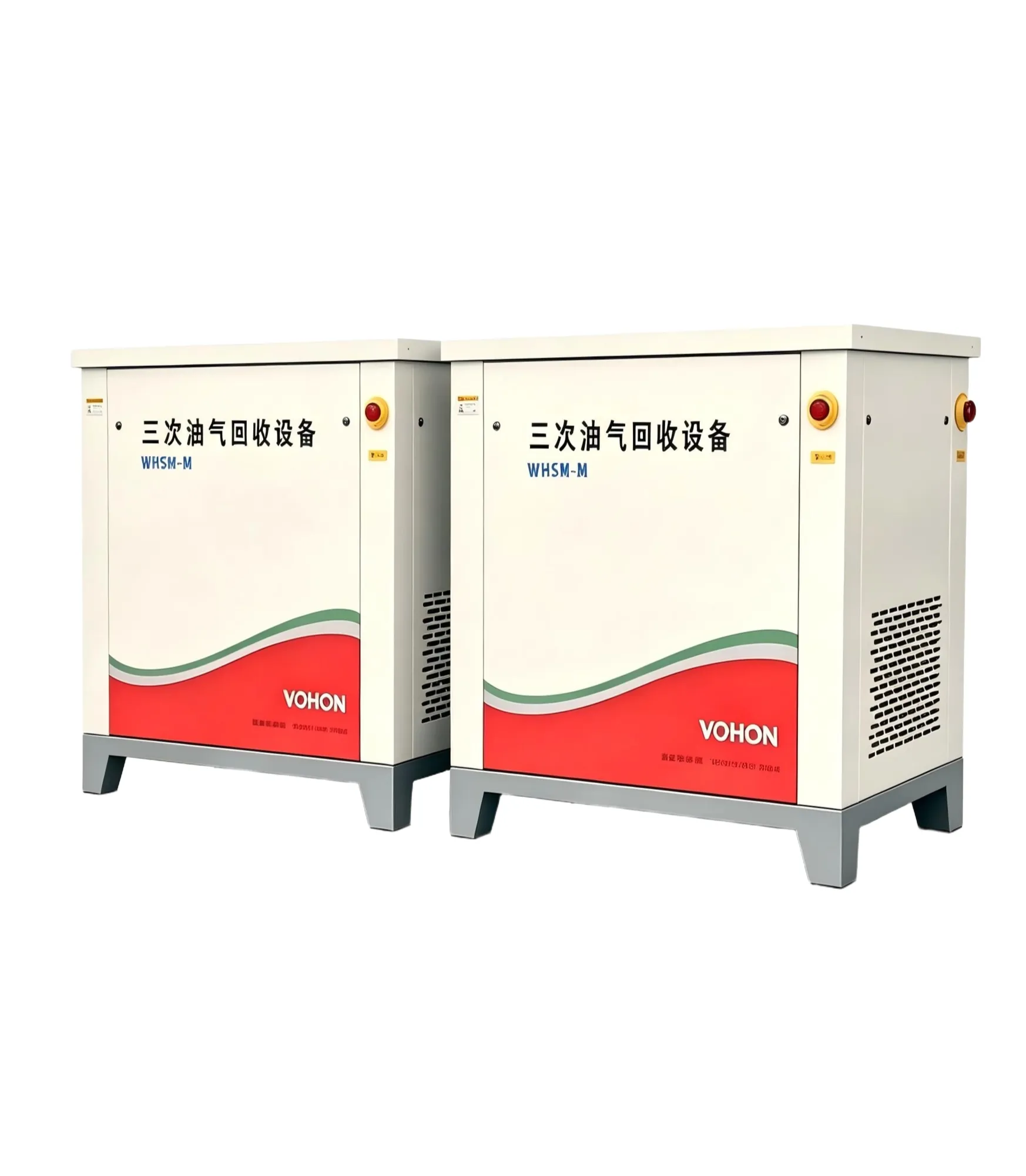
On the pump side, three tasks are carried out periodically: inspection of oil level and quality, replacement if emulsification or deterioration is detected; monitoring of temperature rise and abnormal noise, and maintenance of bearings based on operating hours; recording of pumping speed and ultimate vacuum to establish trends. On the sealing side, two types of attention are paid: replacement of pump shaft seals based on their lifespan, and replacement if leakage is not equal; quarterly inspection of static sealing combined with negative pressure leak detection for pipeline flanges and valves. For liquid ring pumps, two additional tasks are added: regular inspection of working fluid temperature and water quality, as high water temperature will decrease pumping speed, and hard water quality will cause scaling and blockage of the flow passage. All maintenance actions are recorded in a ledger, with dates and contents documented, so that trends can be observed.
How to troubleshoot abnormal vacuum degree
When the vacuum degree is insufficient, the troubleshooting should be carried out in order: first, check the pump - oil quality, temperature rise, and coupling status; then check the seal - conduct segmented isolation and leak detection in the negative pressure section, focusing on flanges, sight glasses, and valve stems; third, check the pre-separation tank - high liquid level or clogged filter element will slow down the pumping speed; finally, suspect the instrument - inaccurate vacuum gauge may misjudge a good system as a bad one. After following the order, most abnormalities can be located, avoiding major disassembly and dismantling. The troubleshooting conclusion should be written back into the logbook, so that when similar abnormalities occur again, the disposal path can be directly retrieved.
At the turn of seasons, the vacuum system faces an invisible challenge: changes in pump oil viscosity and contraction of pipeline gaskets due to sudden temperature drops often lead to minor leaks in the negative pressure section, which surface during seasonal transitions; during the rainy season, high humidity accelerates the emulsification of pump oil. Incorporating seasonal inspections into the maintenance schedule—conducting an additional oil quality and leak detection check during the first week of seasonal change—can prevent most seasonal fluctuations in vacuum levels from escalating, thereby avoiding a decline in recovery rates that may otherwise result from delayed treatment.
Maintenance cycle reference
| body part | Maintenance actions | period |
|---|---|---|
| Pump oil | Oil level and oil quality inspection | By class/by week |
| bearing | Temperature rise and abnormal noise monitoring | By operating hours |
| Pump shaft seal | Replacement upon expiration | Based on the life cycle |
| Static seal | Negative pressure leak detection | quarterly |
| Separation tank | Liquid level filter element inspection | monthly |
| Trend record | Pumping speed and ultimate vacuum | monthly |
Ledger and spare parts management
- The inspection of pump oil level and quality should be carried out by each shift, and any abnormalities should be reported immediately;
- Spare parts for shaft seals and vulnerable seals should be prepared in advance based on their lifespan;
- Negative pressure leak detection is conducted quarterly, and the results are recorded in the ledger;
- Record the pumping speed and ultimate vacuum monthly, and investigate any unusual trends;
- Record the date and content of maintenance actions, and verify during shift handover;
- Conduct quarterly inventory checks on spare parts, ensuring no gaps in key components.
Frequently Asked Questions
What should you check first when the vacuum degree decreases?
The order is pump, seal, pre-separation tank, and instrument; getting the order wrong can easily lead to extensive disassembly and removal, treating minor issues in the pre-separation section as major repairs for the pump, resulting in unnecessary expenses.
How to choose between liquid ring pumps and dry pumps?
The liquid ring pump has a simple structure and low cost, but it requires good management of the working fluid; the dry pump saves working fluid and is suitable for high cleanliness requirements. When selecting a model based on the composition of the medium and operational and maintenance capabilities, provide the manufacturer with a complete report of the medium composition.
How often should the seal be replaced?
The replacement is determined based on the manufacturer's life cycle and actual operating conditions, neither by calendar nor by waiting for leakage to occur; leakage detection data and replacement records are recorded in a ledger, and the cycle is adjusted on a rolling basis according to pressure differences and leakage trends.
This article is compiled by Luoyang Wohong Petrochemical Equipment Co., Ltd. The company provides design and manufacturing, skid-mounted customization, installation and commissioning, as well as after-sales operation and maintenance services for three-time oil and gas recovery equipment to gas stations and oil depots. If you need on-site inspection or scheme configuration, please feel free to contact us for discussion.