The acceptance of membrane-based oil and gas recovery devices is not just a matter of signing off. The acceptance documents serve as both proof of the device's compliance and operation, as well as the basis for subsequent operation and maintenance, expansion, and environmental inspections. The core of acceptance lies in two hard indicators plus a complete set of documents: the actual recovery rate and emission concentration, as well as complete documentation for each stage of survey, design, installation, and commissioning. This article lists the acceptance documents according to a checklist, which the site manager can use to verify and make any necessary additions. It also outlines the on-site acceptance procedures. Only when the documents match the actual items can it be considered a genuine acceptance.
What are the two key indicators for acceptance inspection
Recovery rate and emission concentration are the two yardsticks for acceptance inspection: the recovery rate is measured under continuous operating conditions, and the combined process should achieve a rate of over 99%; the emission concentration is verified according to the standards stated in the test report, and only when it remains consistently below the limit does it count. Both indicators are included in the contract terms, and they will be honored during acceptance inspection - commitments are written on paper, and actual measurements are taken on site, so neither party can dispute them. The testing is conducted by a qualified third-party organization, and the data is archived along with the acceptance inspection materials, serving as the basis for subsequent environmental protection inspections.
What is the document list
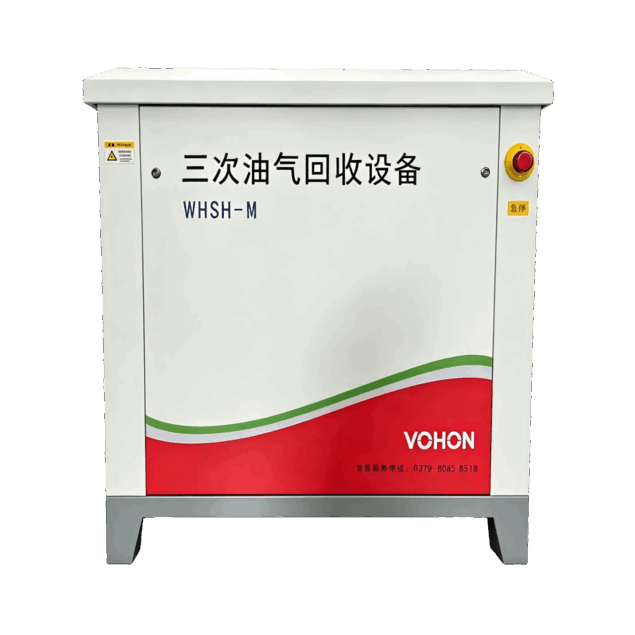
The acceptance documents are categorized into four types: Type 1 includes process materials - site inspection records, scheme design and configuration lists, as-built drawings, and installation records, reflecting how the device was constructed; Type 2 encompasses commissioning materials - performance calibration data, parameter tuning records, and trial operation reports, indicating the state the device has been adjusted to; Type 3 pertains to compliance materials - emission testing reports, explosion-proof inspection records, and electrostatic grounding test data; and Type 4 covers operation and maintenance materials - operation manuals, inspection plans, training records, and after-sales service commitments. Only when all four types are complete can the acceptance be confident.
How to conduct on-site acceptance inspection
On-site acceptance inspection is not just about data: it involves checking the equipment model and quantity item by item against the configuration list; inspecting the electrical selection and wiring point by point within the explosion-proof zone; testing the electrostatic grounding at each location and recording the resistance values; conducting a linkage test from simulated operating conditions to actual oil receiving and dispatching, and the acceptance inspection of recovery rate and emission concentration is completed in this step. No matter how complete the documentation is, if it does not match the actual situation on site, it is not considered a thorough acceptance inspection - only when the documentation matches the actual physical items can it be considered a genuine acceptance inspection.
There are also considerations for the timing of acceptance: the device should operate under a continuous working condition for a certain period before conducting actual index measurements, as data just after commissioning may not represent steady-state conditions. For devices put into operation during the rainy and high-temperature seasons, the working conditions of that season should be included in the acceptance records to provide a benchmark for subsequent comparisons. There should be no gap between the completion of acceptance and the handover to operation and maintenance - a follow-up visit should be arranged in the first month of operation to smooth out the inspection plan, and ensure that records and on-site inspections are synchronized from day one.
Reference for archiving and classification
| Category | Main content | Usage |
|---|---|---|
| Process documentation | Survey records, plans, and as-built drawings | The source of the device is traceable |
| Debugging materials | Calibration data, trial operation report | Performance benchmark archive |
| Compliance materials | Emission testing, explosion-proof grounding records | Basis for environmental inspection |
| Operation and maintenance materials | Manuals, inspection plans, training records | Long-term operational support |
| contract terms | Dual-index commitment | Basis for acceptance and payment |
| Electronic backup | Scanned copies of key documents | "Anti-loss function can be invoked" |
Handover and subsequent management
- The acceptance documents shall be archived in duplicate, with one set held by the site and the other by the manufacturer;
- Key materials are electronically scanned and backed up to prevent damage to paper documents;
- The designated responsible person at the handover site shall sign for the items, ensuring individual accountability;
- Subsequent inspection reports are included on schedule to maintain the continuity of the archives;
- During the renovation and expansion, gear adjustment and verification should be conducted to avoid repeated inspections;
- The completeness of the archives should be reviewed annually, and any missing items should be promptly supplemented.
Frequently Asked Questions
How long will the acceptance inspection take?
The on-site acceptance inspection at regular sites takes one to two days: one day for document review and on-site verification, and one day for linkage testing and actual measurement of indicators. The testing agency requires additional days to issue the report, and the overall process can be completed within two weeks.
What should we do if there is no acceptance data for the old equipment?
Make up for it: Arrange a performance calibration and emission test, solidify the current state as baseline data, and then collect all the process data that can be gathered according to the checklist in this document. The archive should be continued from the day of making up.
What impact does incomplete information have?
During environmental inspections, if emission testing and explosion-proof grounding records cannot be provided, the consequences may range from supplementary explanations to rectification within a specified time limit. In the case of renovation and expansion, without as-built drawings and calibration data, the scheme design can only be carried out through re-survey, resulting in doubled time and cost.
This article is compiled by Luoyang Wohong Petrochemical Equipment Co., Ltd. The company provides design and manufacturing, skid-mounted customization, installation and commissioning, as well as after-sales operation and maintenance services for three-time oil and gas recovery equipment to gas stations and oil depots. If you need on-site inspection or scheme configuration, please feel free to contact us for discussion.