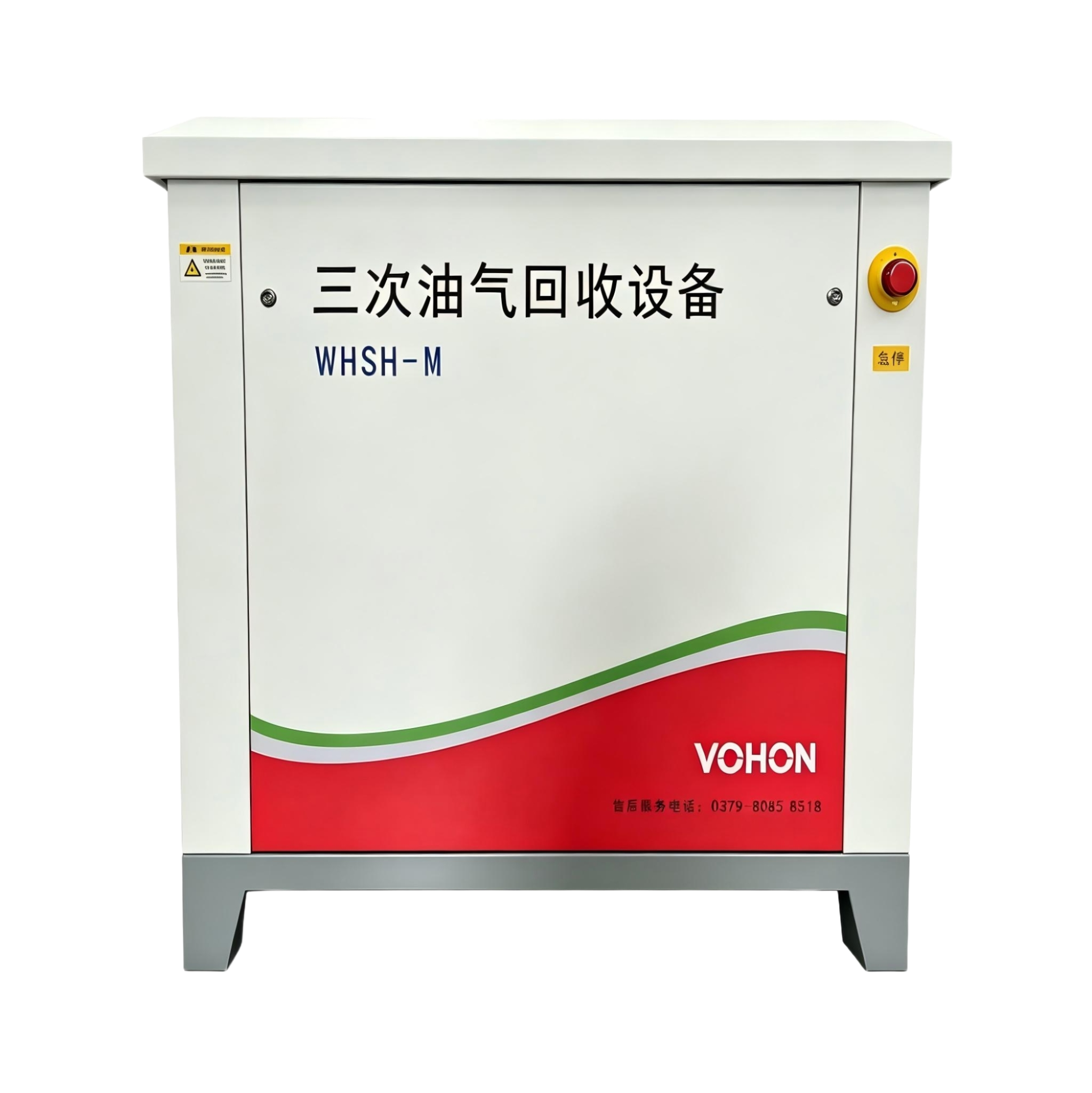
A set of three-time oil and gas recovery equipment arrived at the site, accompanied by a package of documents: operation manual, drawings, qualification certificates, spare parts list, and commissioning records. This package was quite thick when it arrived, and many stations simply locked it away in a cabinet after receiving it. It was only when the equipment malfunctioned, maintenance personnel couldn't find the parameters, or renovation required drawings that they remembered to look through the documents - by then, they often found pages missing or lost. The management of equipment documentation directly determines the efficiency of maintenance and repair several years later. This article outlines the checklist and archiving of accompanying documents, as well as key points for handover services.
What are the random materials and what are their respective uses
It can be divided into four categories based on their purposes. The first category is identity and factory documents: factory documents, qualification certificates, and factory data of main components of equipment, which are used for identity tracing throughout the equipment's entire lifecycle and are often required to be presented during approval for modifications. The second category is operation and maintenance documents: instruction manuals, operating procedures, and maintenance manuals, which serve as the direct basis for daily operation and maintenance. The third category is technical drawings: process flow diagrams, electrical schematics, foundation and installation drawings, which are relied upon for inspection, modification, and reconstruction. The fourth category is process records: factory test records, installation and commissioning records, training sign-in and handover lists - these records prove the state in which the equipment was delivered and serve as crucial evidence when assigning responsibilities in the future.
The four types of data share one common aspect: where the equipment comes from, what its current state is, and how it should be handled. If any of these types of data is missing, it will require unnecessary extra effort to make up for it later.
Five steps for archiving and handover
- On-site inventory: Check the documents against the packing list one by one, and report any omissions to the accompanying personnel on the spot and make a record;
- Cataloging and archiving: Catalog by four categories, establish a list page for materials, indicating the number of copies and storage location;
- Dual storage: The original documents are archived and preserved, while a copy or scan of the frequently used documents is made for daily access;
- Handover and receipt: After the installation and commissioning are completed, the documentation shall be handed over to the station party along with the commissioning records, and both parties shall sign for confirmation;
- Dynamic maintenance: The drawings and reports of subsequent maintenance and renovation should be promptly archived to keep the archives synchronized with the equipment status.
| Document Type | Main content | main purpose |
|---|---|---|
| Factory files | Certificate of conformity, factory documentation for main components | Identity tracing, approval and presentation |
| operation and maintenance | Instruction manual, operating procedures, maintenance manual | Basis for daily operation and maintenance |
| technical drawing | Process flow diagram, electrical schematic diagram, installation diagram | The base map for inspection and modification |
| Process Record | Factory testing, debugging records, training sign-in | Proof of delivery status, division of responsibilities |
| Dynamic archiving | Previous inspection and renovation reports, as well as updated drawings | Keep the status of the files and equipment consistent |
Wohong's approach to data transfer services
Luoyang Wohong Petrochemical Equipment Co., Ltd. treats the handover of materials as an integral part of delivery: the accompanying materials are fully prepared according to the list and shipped together with the equipment; after installation and commissioning, the project leader hands over each document to the station party according to the list and both parties sign, while providing electronic scanned copies to facilitate the station party's incorporation into the electronic archive. After the equipment enters the warranty period, the service personnel regularly archive and update all previous inspection and maintenance records, ensuring that the station party's archives are always consistent with the actual state of the equipment. Before the equipment arrives, users can also prepare the archive box according to the list in this document - the materials are placed in their proper position from the first day of arrival, which is much more labor-saving than collecting them afterwards.
Frequently Asked Questions
Can the missing parts of the materials be supplemented from the manufacturer?
可以。正规厂家对自己的产品保有出厂记录,说明书与图纸类资料一般能补齐,补发周期视具体资料而定。向厂家报出设备编号能加快核对,这也是建档时保留编号信息的好处。
Which one should prevail, the paper or electronic file?
When the contents of the two are consistent, either set can be consulted. It is recommended to archive the original paper version and use the electronic version for daily use. Electronic archives should be stored in a location controlled by the enterprise and backed up regularly to avoid being lost due to personnel changes when stored on personal devices.
What should I do if the historical data is incomplete when taking over an old station?
First, establish a file based on the current situation, collecting and cataloging all the information that can be gathered from the equipment in use. For any missing parts, apply to the original manufacturer for replenishment. Items that cannot be replenished should be noted in the file. Afterwards, in conjunction with annual maintenance, gradually add the measured and verified information to the file year by year, making the file increasingly complete.
This article is compiled by Luoyang Wohong Petrochemical Equipment Co., Ltd. The company provides design and manufacturing, skid-mounted customization, installation and commissioning, as well as after-sales operation and maintenance services for three-time oil and gas recovery equipment to gas stations and oil depots. If you need on-site inspection or scheme configuration, please feel free to contact us for discussion.