If the annual inspection of the gas station's oil and gas recovery system fails, a fine ticket and a rectification notice will follow. The owners are most concerned about: where the problem lies and how to fix it. The failure of the inspection is never due to a single reason, but looking through the inspection report, we can categorize it by indicators: gas-liquid ratio, liquid resistance, system tightness, and emission concentration. These four indicators correspond to four types of fault sources. Matching the indicators with the causes first will provide direction for rectification; otherwise, replacing equipment and parts will be a waste of effort. This article lists common causes and rectification paths according to these four indicators. By comparing and troubleshooting within the station, it can save a round of detours.
How to check if the gas-liquid ratio exceeds the tolerance
The gas-liquid ratio refers to the ratio of the amount of gas recovered during refueling to the amount of fuel dispensed, with a standard range roughly between 1.0 and 1.2. A lower ratio indicates less gas recovery, which can be commonly attributed to damaged or aged rubber caps on the recovery nozzle, blocked return pipelines, or maladjusted proportional valves. Conversely, a higher ratio indicates excessive gas extraction, which may be due to proportional valve drift or abnormal operating conditions of the vacuum pump. The rectification process should follow the principle of addressing easier issues before moving on to more difficult ones: first inspect vulnerable parts such as rubber caps and filters, then calibrate the proportional valve, and finally verify the operating parameters of the pump. It is important to test multiple nozzles one by one, rather than just checking one nozzle - deviations can often vary among different nozzles at the same station.
How to check liquid resistance and tightness
Liquid resistance reflects the degree of smoothness of the return air pipeline: water and oil accumulation in the pipeline, insufficient slope for liquid storage, and deformation and diameter reduction of pipe fittings can all lead to excessive liquid resistance. For rectification, first perform pipeline purging and drainage. For slope issues, excavate and adjust or install low-point condensate drains. The tightness inspection focuses on leakage and emission throughout the entire system: inspect the sealing cap of the inspection port, pipeline connections, manhole, and sealing surface of the breather valve. Use a detector to locate leakage points one by one and replace the sealing components. Leakage from aging and leakage of buried pipelines is the most troublesome type. After confirmation, replace the section according to construction specifications.
How to check if the emission concentration exceeds the standard
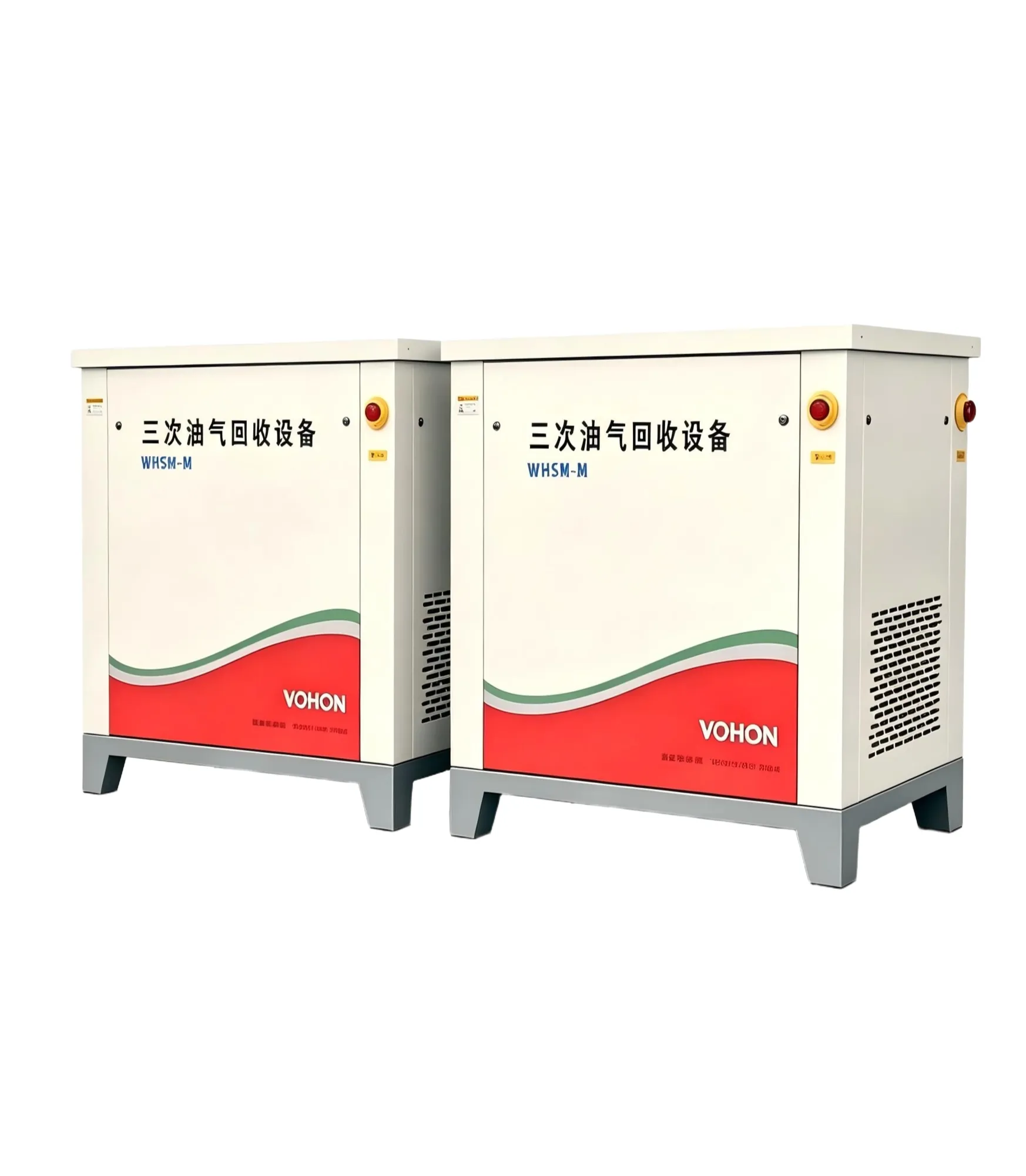
If the emission concentration is unqualified, it is necessary to distinguish whether it is a problem with the tertiary recovery device itself or an upstream issue: if the device is not started or stopped, or the start-stop pressure setting drifts, the emission will go through direct discharge; if the condensation temperature level is insufficient, the membrane module performance degrades, the adsorption material is saturated, and the treatment capacity decreases; if the primary and secondary recovery upstream fails, resulting in the load entering the device exceeding the design capacity, it will also push up the concentration. The rectification sequence is: first confirm that the device is operating normally and starts and stops according to the set pressure, then check the performance of the treatment unit, and then verify whether the upstream recovery has reduced the load. The idea of suddenly adjusting parameters before testing does not work. If the root cause of the problem is not resolved, the retest will still fail.
There is another piece of experience for rectification: keep all inspection reports - the gas-liquid ratio, liquid resistance, and concentration data from each inspection serve as the basis for trend analysis. If the gas-liquid ratio is 1.15 this year and 1.24 next year, it indicates that the proportional valve is drifting. Calibrating in advance is much more convenient than reworking after failure.
Reference for troubleshooting path
| indicator | Common reasons | Rectification path |
|---|---|---|
| The gas-liquid ratio is on the low side | The rubber cap is damaged and the pipeline is blocked | Replace the wear parts and calibrate the proportional valve |
| The gas-liquid ratio is on the high side | Proportional valve drift | Check and verify pump parameters |
| Liquid resistance exceeds the standard | Insufficient gradient of fluid accumulation and diameter reduction | Purge, drain, and adjust slope |
| Poor airtightness | The interface seal is aging | Position and replace the seal point by point |
| Exceeding the standard concentration | Device shutdown performance degradation | Check the start-stop processing unit |
| Load exceeds design capacity | Upstream recycling failure | Pre-processing and secondary recycling |
Rectification List
- Categorize the items exceeding the standards according to the test report and investigate each indicator one by one;
- Replace vulnerable parts such as gun rubber caps and filters periodically;
- The parameters of the proportional valve and vacuum pump are verified annually;
- Purge and drain the return gas pipeline, and verify the slope and low points;
- Conduct leak testing on each sealed point, and replace the sealing components if they show signs of aging;
- Special inspection on the start-stop pressure and treatment performance of the tertiary recovery device.
Frequently Asked Questions
How long will it take to conduct a retest after rectification?
Implement according to the time limit specified in the rectification notice. Generally, a retest will be arranged once the rectification is completed. It is recommended to conduct a self-test round after rectification - ensure that the gas-liquid ratio and concentration of each gun pass the self-inspection before arranging a formal retest to avoid failing again.
What preparations are needed before the test?
The equipment should be powered on in advance to confirm that it is in normal operating condition, the sealing components of the inspection port are intact, and the oil inventory is consistent with daily operating conditions. Sudden replacement of parts or adjustment of parameters can easily introduce new deviations, so it is sufficient to maintain the equipment in its daily actual operating state.
Should we replace the equipment if it repeatedly fails to meet standards?
First, distinguish whether the issue is related to equipment capability or maintenance: if it is mostly due to wear parts not being properly maintained or parameter drift, then maintenance can restore it; if the equipment itself has insufficient processing capability or major components have deteriorated, then assess whether replacement is necessary, rather than hastily overturning and starting from scratch.
This article is compiled by Luoyang Wohong Petrochemical Equipment Co., Ltd. The company provides design and manufacturing, skid-mounted customization, installation and commissioning, as well as after-sales operation and maintenance services for three-time oil and gas recovery equipment to gas stations and oil depots. If you need on-site inspection or scheme configuration, please feel free to contact us for discussion.