What should we do if the electricity bill for the oil and gas recovery device is getting higher and higher? The straightforward answer is: first calculate the unit consumption and then inspect the equipment - compare the "electricity consumption per ton of oil recovered" with that during the initial operation period. If the unit consumption increases by more than 20%, it indicates a problem. Common causes are listed in order of probability: frosting and scaling of the condenser heat exchanger leading to poor heat exchange, wear and tear of the vacuum pump and compressor resulting in decreased efficiency, increased pipeline resistance, and "over-sized equipment driving a small vehicle" due to a mismatch between equipment specifications and actual gas volume. After addressing each issue, the electricity consumption at most stations can be reduced to near the initial operation level without the need for major equipment replacement. This article clarifies the troubleshooting sequence and methods for reducing consumption, and following them will suffice.
Let's settle the accounts first
Relying on the feeling that "electricity bills are higher than before" to conduct troubleshooting can easily lead to detours. The first step is to establish a unit consumption metric: divide the monthly electricity bill by the amount of oil recovered in the same month to obtain the electricity consumption per ton, and compare it with the average value of the first three months of operation. During seasons with large fluctuations in production, look at the year-on-year metric and compare it with the same period last year. If the unit consumption remains stable but the total electricity bill increases, it is mostly a normal increase brought about by sales growth; an upward trend in unit consumption is a signal that equipment is malfunctioning. By clarifying this step, the direction of troubleshooting is less likely to go wrong. After establishing the ledger, it also has long-term value: the changes in unit consumption before and after cleaning the heat exchanger and replacing worn parts are clear at a glance, and the maintenance effect has digital evidence, making budget application easier.
Common reasons for increased energy consumption
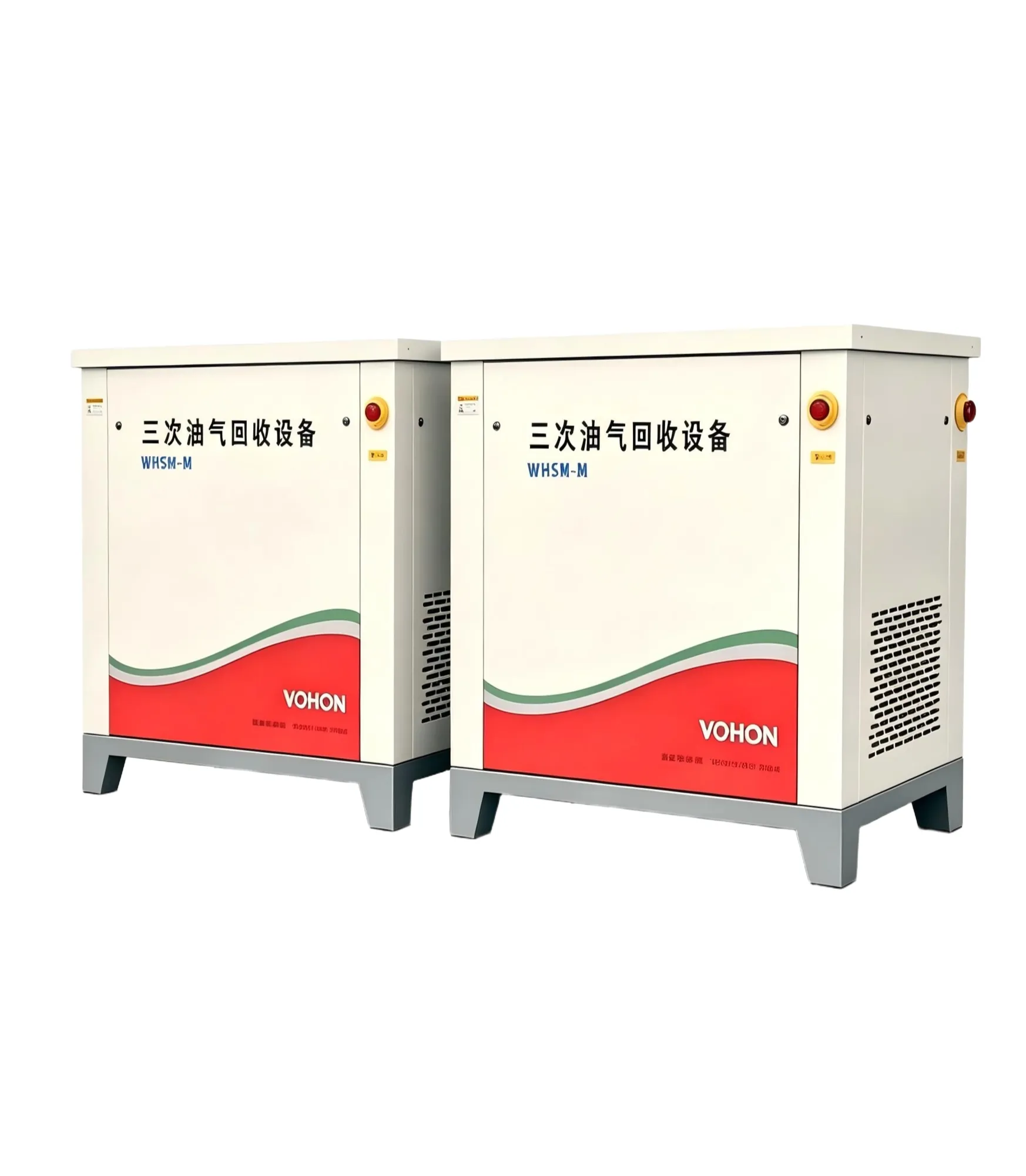
Heat exchange deterioration ranks first: Dust accumulation, frosting, and scaling on condenser fins all reduce heat exchange efficiency. The compressor needs to operate longer to bring the temperature down to the set value, resulting in increased power consumption. Pump wear ranks second. After wear of vacuum pump blades and seals, suction efficiency decreases, and it takes longer to process the same amount of oil and gas. Pipeline resistance ranks third. Liquid accumulation in pipelines, insufficient valve opening, and clogged filters all increase pressure loss, requiring the pump to overcome greater resistance to do work. The investigation costs for these three reasons are not high, and instruments combined with visual inspection can generally locate the problem.
The key to reducing consumption
In addition to symptomatic treatment, there are several standard ways to reduce energy consumption: cleaning the heat exchanger on a quarterly basis and keeping the fins and cooling fans clean, which can typically save around 10% of electricity consumption; implementing frequency conversion to adjust the speed of compressors and vacuum pumps according to load, resulting in significant benefits for sites with intermittent operating conditions; optimizing operation periods to align the main processing periods of the device with peak tank pressure, reducing idle running; conducting seal and insulation inspections to prevent cold loss and recover electricity costs. The payback period for the transformation investment is calculated based on the savings in unit consumption, with most projects achieving a payback within two years.
Cause and treatment comparison
| reason | signal | handle |
|---|---|---|
| Scaling and frosting of heat exchanger | Unit consumption increases, and temperature and pressure are not in place | Clean the fins quarterly |
| Pump wear | The suction time has become longer | Replace the blade seal |
| The pipeline resistance is high | The pressure difference is on the high side | Drain and clear blockage, fully open the valve |
| The selected model is too large | Frequent start-stop | Frequency conversion retrofit or peak load shifting operation |
| Poor heat dissipation environment | Unit consumption increases in summer | Add sunshade and ventilation |
| Instrument distortion | The readings do not match the physical sensation | Calibration and verification |
Steps for energy consumption reduction investigation
- Establish a monthly ledger for electricity consumption per ton and compare it with the baseline;
- Inspect the condenser fins and cooling fan, and clean them;
- Measure the suction efficiency of the vacuum pump, and replace the worn parts periodically;
- Check for fluid accumulation in the pipeline, and adjust the opening of the filter and valve;
- Implement variable frequency and operation time period optimization as needed;
- After the transformation, track the unit consumption on a monthly basis to verify the effectiveness.
Frequently Asked Questions
At what level of increase in unit consumption should we start investigating?
The empirical threshold is more than 20%. Anything within 20% is considered normal fluctuation. If it exceeds this threshold for two consecutive months, an investigation should be arranged. By the time the electricity bill increases visibly, the problem has often compounded.
Is frequency conversion retrofitting applicable to all devices?
Stations with intermittent operating conditions and significant load fluctuations benefit significantly; for devices that operate continuously at full load all year round, the space for frequency conversion is limited. Before making modifications, review the load curve and make a decision, rather than making changes for the sake of it.
Is it normal for there to be a significant difference in electricity consumption between winter and summer?
Normal. In summer, due to high ambient temperatures, heat dissipation efficiency decreases, and power consumption at the cooling end generally increases. When comparing, it is only meaningful to use the same basis for comparison, such as comparing winter with winter or summer with summer, to derive a trend.
This article is compiled by Luoyang Wohong Petrochemical Equipment Co., Ltd. The company provides design and manufacturing, skid-mounted customization, installation and commissioning, as well as after-sales operation and maintenance services for three-time oil and gas recovery equipment to gas stations and oil depots. If you need on-site inspection or scheme configuration, please feel free to contact us for discussion.