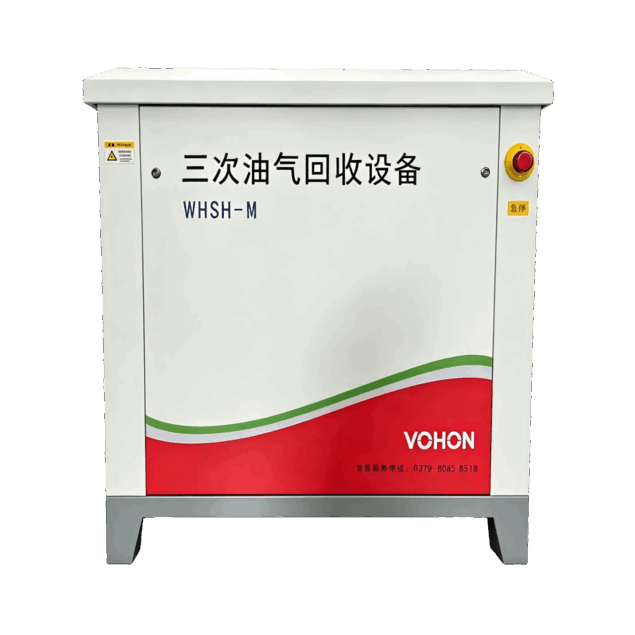
As we enter the low-temperature season, the three-stage oil and gas recovery equipment will face two new types of problems: efficiency reduction due to frost formation on the heat exchange surface, and poor emissions due to frozen condensate and blocked pipelines. These two types of problems may not immediately cause downtime in most years, but they will quietly reduce the recovery volume, and only become apparent when emissions testing reveals issues. The value of winter operation preparation lies in addressing these risks before the temperature drops.
What should be checked for winter operation preparation
The inspection revolves around two main aspects: defrosting and defrosting capacity, and antifreeze protection for condensate and pipelines. In terms of defrosting, it is important to consider the defrosting method, defrosting cycle settings, and actual effects. For antifreeze protection, it is crucial to examine insulation measures for low-point drainage, heat tracing and drainage frequency of condensate tanks, as well as emptying treatment for parts that have been shut down for a long time. If either of these two aspects is not properly addressed, problems may arise during low temperature periods.
Implementation steps of preparatory work
- Review the defrosting settings in advance and adjust the defrosting cycle and triggering conditions according to the expected local temperature;
- Check the low-point drainage and insulation conditions of the pipeline, and supplement the missing insulation and tracing;
- Check the drainage frequency of the condensate tank, and appropriately increase it during the low temperature period to avoid condensate retention and freeze blockage;
- Drain the pipelines that have been shut down for a long time or are in standby mode to prevent fluid accumulation;
- Review the method of recording equipment operating parameters, and increase patrol inspections during the low temperature period while keeping records.
What should be paid attention to during operation in low temperature period
The focus of operation during the low temperature period is to "prevent condensate from staying". Once condensate is trapped in the pipeline or tank and encounters cold, it can affect metering and discharge at the least, and at worst, it can freeze and block, causing system pressure buildup. During operation, it is necessary to ensure that the drainage action is carried out as planned, and to observe whether there are signs of increased frosting in the condensation section. If the recovery volume is found to have significantly decreased, first check for frosting and freeze blockage, and then check the equipment itself.
Comparison of operation during normal temperature period and low temperature period
| Comparison item | Normal temperature period | Low temperature period |
|---|---|---|
| Main Risks | The recovery volume is stable, with no frosting pressure | Frosting on the heat exchange surface and frozen condensate blockage |
| Drainage frequency | According to the usual arrangement | "Appropriately encrypt to avoid retention." |
| Defrost setting | According to the regular cycle | Adjust the cycle and triggering conditions based on temperature expectations |
| Key inspection points | Pressure, temperature, and recovery rate | Add inspection items for frosting and freeze-up |
Service content and arrangement
The service content for winter operation preparation includes on-site inspection, defrosting and insulation adjustment, verification of condensate drainage plan, and operational training for personnel at relevant positions. It is recommended to complete these preparations before the temperature drops significantly, leaving room for adjustments. During the low temperature period, arrange for follow-up visits to verify the actual effectiveness of the preparations using operational data, and close the loop on any remaining issues.
Frequently Asked Questions
Is the decrease in recovery during the low temperature period necessarily due to equipment issues?
Not necessarily. First, check for frosting on the heat exchange surface and frozen blockage in the pipeline, as these two reasons are more common in winter. After ruling them out, check the operating parameters of the equipment itself.
What is the most effective way to prevent condensate freeze and blockage?
The core is to prevent condensate from staying: carry out low-point drainage as planned, apply insulation or tracing when necessary, and perform evacuation for parts that will be shut down for a long time.
How far in advance should preparations for winter be made?
It is recommended to complete the task before the local temperature drops significantly, allowing time for adjustments and trial runs, to avoid discovering issues after the temperature drops and being unable to address them in time.
This article is compiled by Luoyang Wohong Petrochemical Equipment Co., Ltd. The company provides design and manufacturing, skid-mounted customization, installation and commissioning, as well as after-sales operation and maintenance services for three-time oil and gas recovery equipment to gas stations and oil depots. If you need on-site inspection or scheme configuration, please feel free to contact us for discussion.