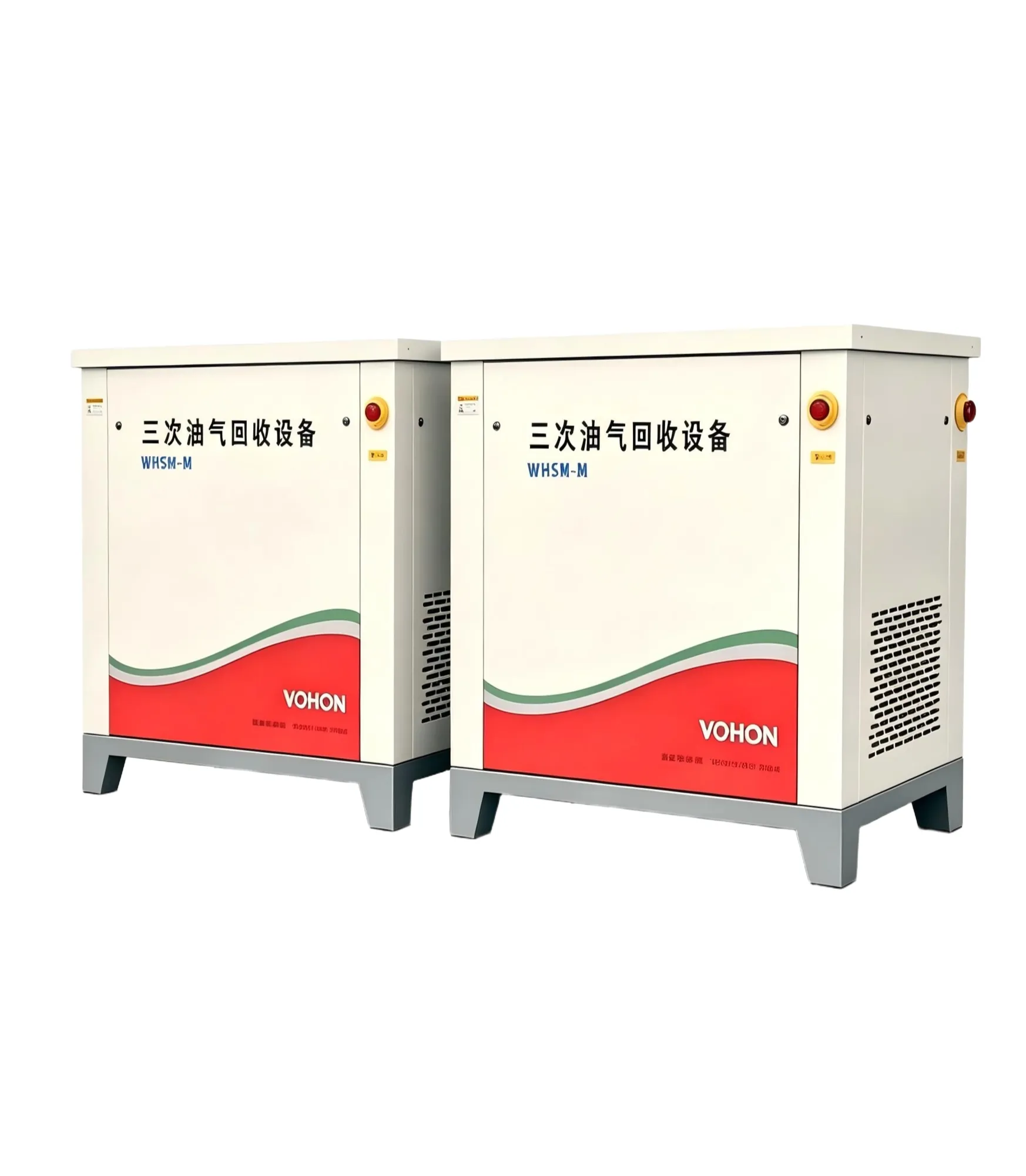
After the three times of installation of the oil and gas recovery equipment at the station, two things truly determine the user experience: whether the station can know the equipment status at any time, and whether timely responses can be obtained in case of any issues. The remote viewing of operational data and after-sales response services provided by Luoyang Wohong Petrochemical Equipment turn these two things into fixed service content, rather than waiting for users to call and report issues before initiating.
What is the purpose of remote viewing of operational data
The service involves summarizing the operating parameters of the equipment at fixed intervals to generate directly viewable records, including the start-stop status of the unit, changes in recovery volume, and fluctuations within key temperature and pressure ranges. The focus of these data is not on complexity, but rather on enabling the station to identify trends: whether the recovery volume is decreasing with the same amount of refueling, whether the return gas pressure is higher than the previous month, and whether the unit operating time has noticeably increased.
Three types of problems that can be identified in advance through data
- The recovery rate declines simultaneously with the oil filling volume: indicating a change in the heat exchange effect on the condensation side or the performance of the membrane components
- Trending increase in return gas pressure: indicates the presence of fluid accumulation or increased resistance in the pipeline
- The operation time of the unit has increased but the recovery amount remains unchanged: this indicates a decrease in extraction efficiency or a change in pipeline sealing
How to make an after-sales response
After-sales response is handled in a hierarchical manner according to the type of issue. For parameter-related inquiries, adjustments can be determined through remotely viewed data, and adjustment suggestions are generally provided on the same day. For situations requiring on-site confirmation, personnel are arranged to arrive at the designated time. For cases involving component replacement or device modification, an evaluation opinion and schedule are first provided, and the user decides on the implementation time. The purpose of this hierarchical approach is to keep issues that can be resolved remotely at that level, reducing unnecessary waiting.
Service content and user cooperation
| Service link | content | Users need to cooperate |
|---|---|---|
| Data View | Summarize operational parameters periodically and maintain records | Provide equipment number and viewing method |
| Exception prompt | Proactively prompt when abnormal trends are detected | Confirm whether there are any changes in the on-site working conditions |
| Remote advice | Provide directions for parameter adjustment and inspection | Record the adjusted data as suggested |
| on-site service | Arrange personnel to be present as agreed | Provide maintenance windows and site conditions |
Why prioritize data over services
Most issues with oil and gas recovery equipment do not occur suddenly, but rather result from gradual changes and accumulation. Waiting until an alarm is triggered or testing results are unqualified to address the issue often affects the recovery volume and increases the difficulty of troubleshooting. By regularly summarizing operational data, both users and themselves can identify changes earlier, making it easier to handle and reducing the risk of downtime.
Contact Information
Luoyang Wohong Petrochemical Equipment Co., Ltd. specializes in the research, development, and manufacturing of tertiary oil and gas recovery equipment, serving gas stations and oil depots by providing equipment supply, operational review, and after-sales service. If you have operational data that requires review or wish to establish a regular inspection mechanism, please contact us to discuss your specific needs.