In the three-stage oil and gas recovery system, the pressure state of the return pipe serves as a yardstick to determine whether the entire device is functioning properly. A high pressure indicates that the gas path is not smooth, while a low pressure or large pressure fluctuations indicate a leak somewhere or that the unit is pumping too fast. Many on-site personnel focus on the unit itself, but in fact, any problem in the return pipe, which connects from the fuel nozzle all the way to the storage tank, will leave a trace in the pressure.
What is the normal state of pressure in the return pipe
The function of the return pipe is to convey the oil vapor generated during refueling back to the storage tank or into the recovery unit. During normal operation, the pressure inside the pipe should fluctuate slightly within the design range, changing gently with the start and stop of the fuel nozzle, and there should be no sustained high pressure, sudden return to zero, or oscillating behavior. Whether it is normal or not is determined by continuously observing the trend of changes over a period of time, rather than reading a single instantaneous value.
Three common abnormalities and their causes
- The pressure remains persistently high: there may be blockages or bends in the return pipeline, which is commonly caused by insufficient pipeline slope leading to condensate accumulation, valves not being fully opened, or foreign objects inside the pipeline
- The pressure is close to zero and does not change with the refueling action: there is a leak in the pipeline or the connector is not properly connected, and the oil and gas generated by refueling are not actually being removed
- Frequent pressure fluctuations: mismatch between the extraction volume of the unit and the gas volume generated by refueling, or abnormal operation of liquid level control and return valve
The troubleshooting sequence from storage tank to unit
The troubleshooting process should proceed in the opposite direction of the airflow, starting from the storage tank end and only reaching the unit at the end. First, check whether the breather valve and flame arrester of the storage tank are unobstructed, and then verify if the connection point of the return pipe near the storage tank is normal. Next, inspect the slope and low points along the pipeline to ensure there is no condensate accumulation. After that, check if all valves in the middle of the pipeline are in their correct positions. Finally, inspect the intake pressure and extraction volume on the unit side. By following this sequence, most issues can be pinpointed to their specific locations.
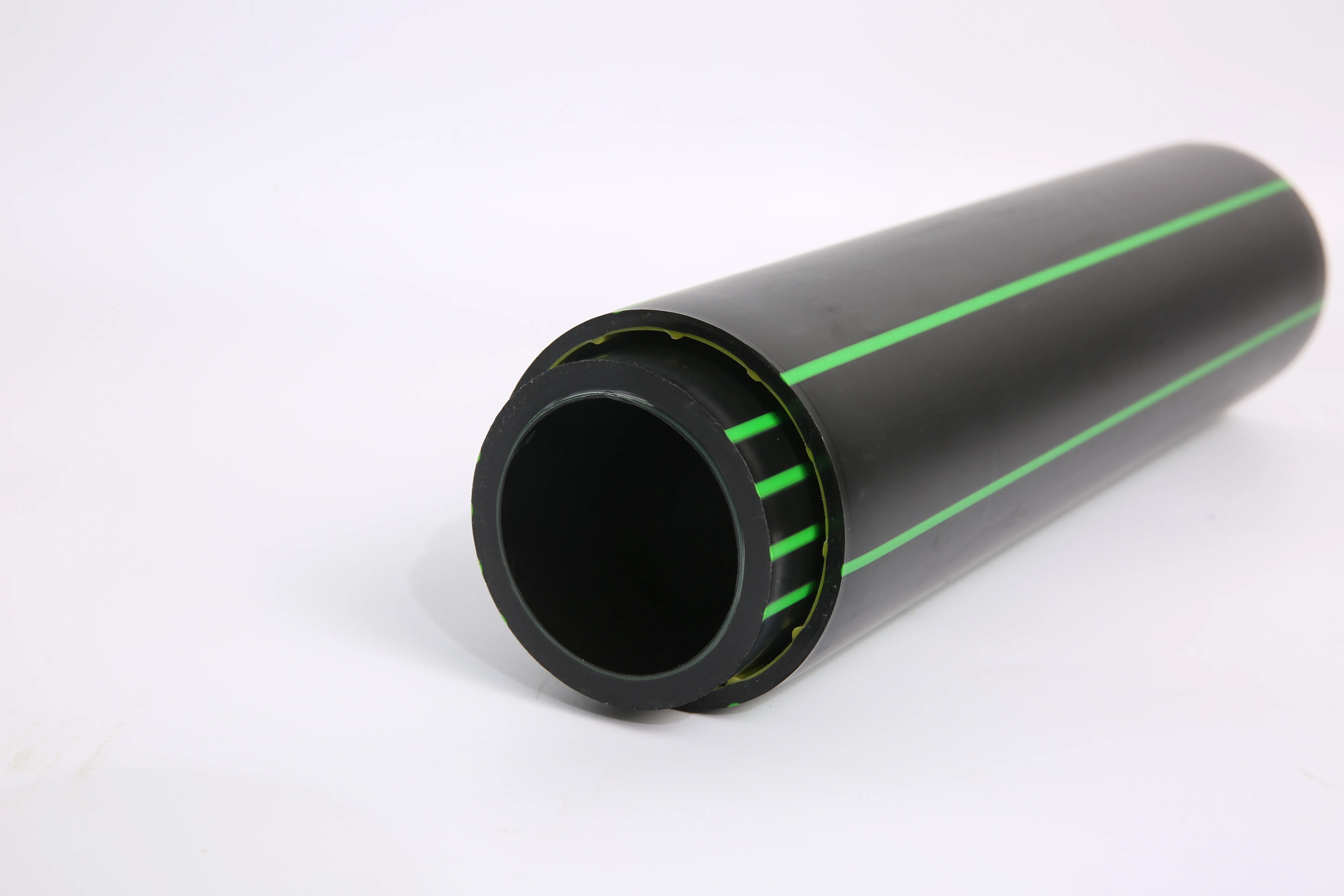
Quick check of return pipe pressure
| phenomenon | Priority inspection | Processing direction |
|---|---|---|
| The pressure remains persistently high | Pipe slope and low-point fluid accumulation | Adjust the slope, drain the condensate, and clear the blockage |
| Pressure does not change with fueling | Connector and valve sealing | Retighten or replace the sealing element |
| Repeated fluctuations in pressure | The extraction volume of the unit matches the gas volume | Adjust operating parameters or verify the action of the return valve |
| The pressure does not decrease after the machine is stopped | Pipeline resistance and valve position | Check the valve status and pipeline patency |
Two key points to grasp when controlling stress
The first consideration is slope. The return pipe must maintain a continuous slope towards the storage tank, with no low points in between. Otherwise, condensate will accumulate at the low points, gradually reducing the pipe diameter and manifesting as a slow increase in pressure. The second consideration is matching. The pumping capacity of the unit must match the actual refueling intensity of the gas station. Pumping too aggressively can cause the return pipe to become underpressure, while pumping too weakly can lead to pressure buildup. These two factors should be determined during the design and commissioning stages, as it is difficult to completely resolve them through parameter adjustments in the later stages.
How to keep an eye on daily tasks
Include the pressure of the return pipe in the daily inspection records, noting the time and the current refueling conditions each time. After maintaining this record for one or two months, you can identify the normal fluctuation range. If you notice that the pressure is higher than before under the same refueling intensity, it indicates that the state of the pipeline or the unit has changed. In this case, it is much easier to investigate and address the issue than waiting for an alarm to sound.
Luoyang Wohong Petrochemical Equipment Co., Ltd. specializes in the research, development, and manufacturing of tertiary oil and gas recovery equipment. Additionally, we offer services for the operation adjustment and supporting renovation of in-service devices. For sites experiencing long-term instability in return pipe pressure, please contact us to discuss specific operating conditions.