The difficulty in the renovation of the station lies not in the equipment itself, but in the construction organization: the station still needs to continue operating, and the renovation must involve the pipeline network and recycling equipment, both of which need to be accommodated in terms of time and space. A feasible approach is to divide the renovation into several stages that can be completed and inspected independently. Each stage only occupies a local working area, and after completing one section, the next section can be restored. This approach can minimize the scope of business suspension and keep both progress and quality under control.
Why should we proceed in stages
One-time large-scale excavation is highly efficient in empty stations or newly built stations, but it will result in long-term large-scale occupation in operational stations, directly impacting operations. The phased approach is to divide the renovation into small, interconnected blocks, with each block having a short operation time and a small impact area. Once completed, traffic and refueling can be immediately restored. The cost is an increase in management costs, requiring more detailed planning and closer coordination.
How to divide the stages
The division is based on the dependency relationship between the work surface and the refueling process, rather than the order of the equipment list. In principle, work on parts that do not affect refueling should be carried out first, followed by the gradual handling of underground pipe networks related to refueling, and finally the installation and commissioning of recovery equipment. Each switch of an oil channel should have a clear alternative plan to avoid a situation where there is no place to add a certain oil product during construction.
Four steps of organization and implementation
- First, conduct on-site inspection and pipeline detection to accurately locate the existing pipe networks, cables, and other underground facilities;
- Divide the stages based on the oil passage and working surface, and specify the construction content, occupation scope, and expected duration for each stage;
- Prepare temporary transition plans for each stage, including refueling guidance, temporary passage, and emergency handling arrangements;
- Upon completion of each stage, immediate acceptance and restoration shall be carried out. Only after confirming that there are no outstanding issues can the next stage commence.
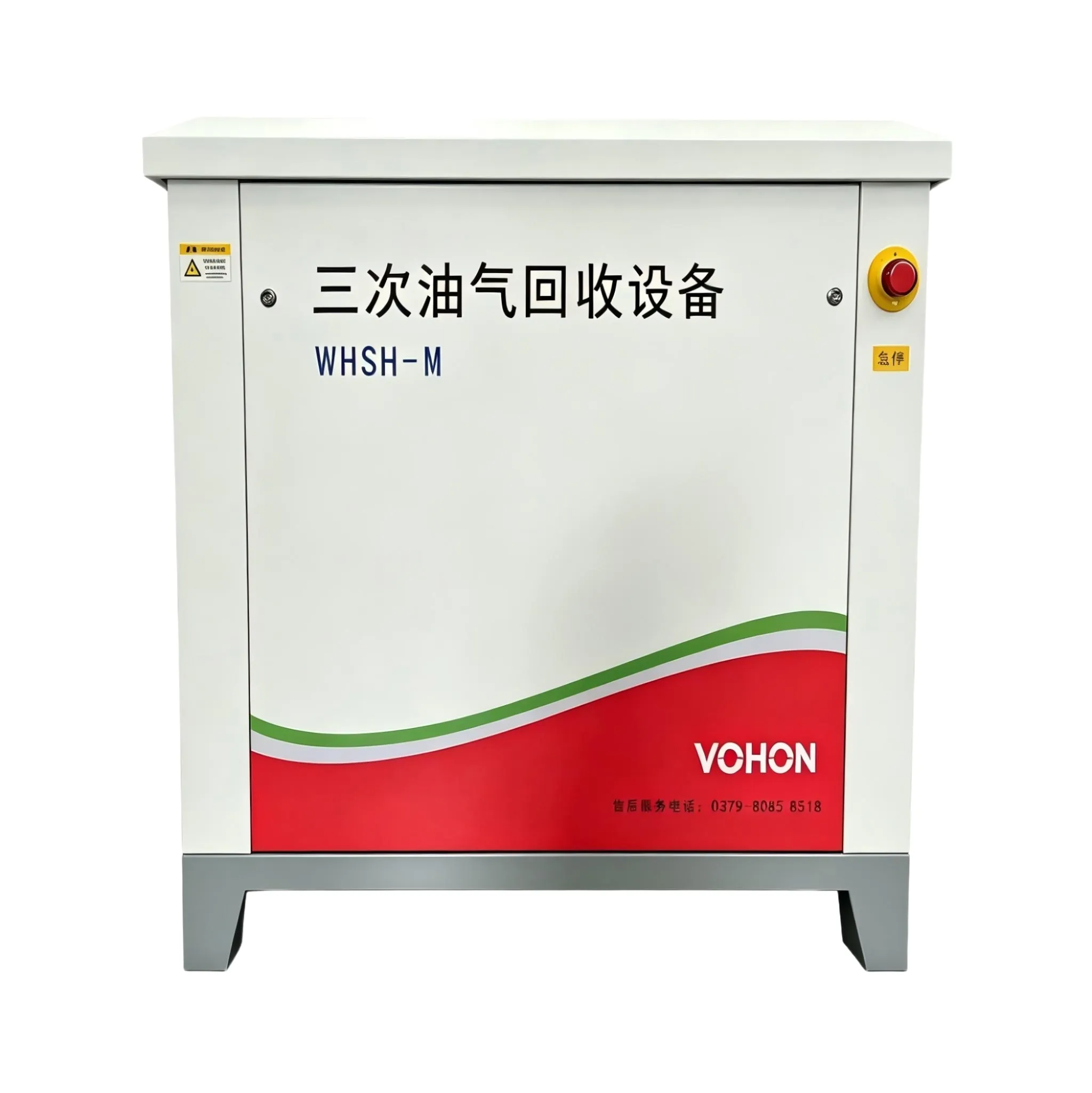
Key points of work surface division and coordination
When dividing the work area, ensure a safe distance is maintained to prevent interference between the construction zone and the fueling area. The routes for material stacking and machinery access should be determined in advance, and avoid occupying fuel lanes or fire escapes. External coordination is equally important. During the construction period, traffic guidance, notification prompts, and work schedule arrangements should be unified in advance to avoid making on-site decisions at the last minute.
| key items | control objective | Common practice |
|---|---|---|
| Occupation of working surface | Try to shorten the duration of a single impact | Divide according to the oil passage, and restore it upon completion |
| Refueling continuity | Any oil product has a refueling channel | Arrange transition plans and guidance in advance |
| Material turnover | Do not occupy the fueling lanes and fire escapes | Agreed stacking location and entry/exit time |
| concealed works | It is difficult to recheck after excavation | Preserve images and acceptance records segment by segment |
| External coordination | Reduce on-site ad-hoc decision-making | Unified notification in advance and homework time slots |
Progress and quality control
The most problematic aspect of phased construction lies in the transition between phases: unresolved issues from the previous phase are concealed by the excavation in the next phase, only to be exposed collectively in the end. The approach is to establish clear closure conditions for each phase, including records of concealed works, video materials, and acceptance signatures. If these conditions are not met, the next phase cannot proceed.
Frequently Asked Questions
Must the business be suspended during the renovation of the camp station?
In most cases, the scope of business suspension can be minimized through phased construction, and it is even possible to achieve no business suspension, but the specific situation depends on the scope of renovation and on-site conditions, and needs to be evaluated based on actual conditions.
Will phased construction prolong the overall project duration?
Reducing the duration of a single phase may increase some management time due to phase transitions, but the overall project timeline may not necessarily be longer. In contrast, the operational losses caused by one-time construction are often greater.
How can safety be ensured during the construction period?
Reliably separate the operation area from the refueling area, keep the operation surface and fire escape routes clear, stagger the operation period with the refueling peak, and implement hot work and other operation management requirements according to the on-site conditions.
This article is compiled by Luoyang Wohong Petrochemical Equipment Co., Ltd. The company provides design and manufacturing, skid-mounted customization, installation and commissioning, as well as after-sales operation and maintenance services for three-time oil and gas recovery equipment to gas stations and oil depots. If you need on-site inspection or scheme configuration, please feel free to contact us for discussion.