Most issues with the oil and gas recovery system do not emerge suddenly, but rather develop gradually during daily operation: seals deteriorate, pipe joints loosen, condensate accumulates, and valves fail to return to their proper positions. These issues barely affect refueling in the early stages, but they will manifest collectively one day as a decline in recovery efficiency or equipment alarms. The role of daily inspections is to detect these issues when they are still minor.
Division of labor for inspection and maintenance
Patrolling is a routine inspection conducted by personnel on fixed routes and focusing on specific items, aimed at detecting anomalies. Maintenance, on the other hand, involves professional personnel carrying out scheduled repairs and replacements. Mixing the two results in patrolling being treated as maintenance, leading to an increasing number of items being checked and eventually becoming unmanageable. Limiting patrolling to the scope of "visible, tangible, and non-dismantling" items is essential for long-term implementation.
How to determine the route
The design principle of the route is to follow the process sequence of oil and gas recovery, from the generation of oil and gas to the recovery and treatment, and confirm each section. By following this route, it is easier to determine where the anomaly occurs, rather than circling around the equipment area. The route should be drawn as a schematic diagram and posted at each post, with each checkpoint numbered.
Steps of a complete inspection
- Starting from the fuel nozzle and hose, check whether the air return port is unobstructed and whether the hose is damaged or aged;
- Check the pipe joints, flanges, and quick connectors along the return gas pipeline for any signs of leakage;
- Inspect the appearance, sound, and operational status indicators of the vacuum pump or compressor, and pay attention to any abnormal vibrations and temperatures;
- Check whether the liquid level and discharge of the condensate collection tank are normal, and whether there is liquid accumulation at the low points of the pipeline;
- Confirm that there are no alarm indications in the control cabinet, and that the displayed values do not deviate abnormally from usual;
- Sign the inspection records item by item according to the number, immediately record any abnormalities found, and report them as required.
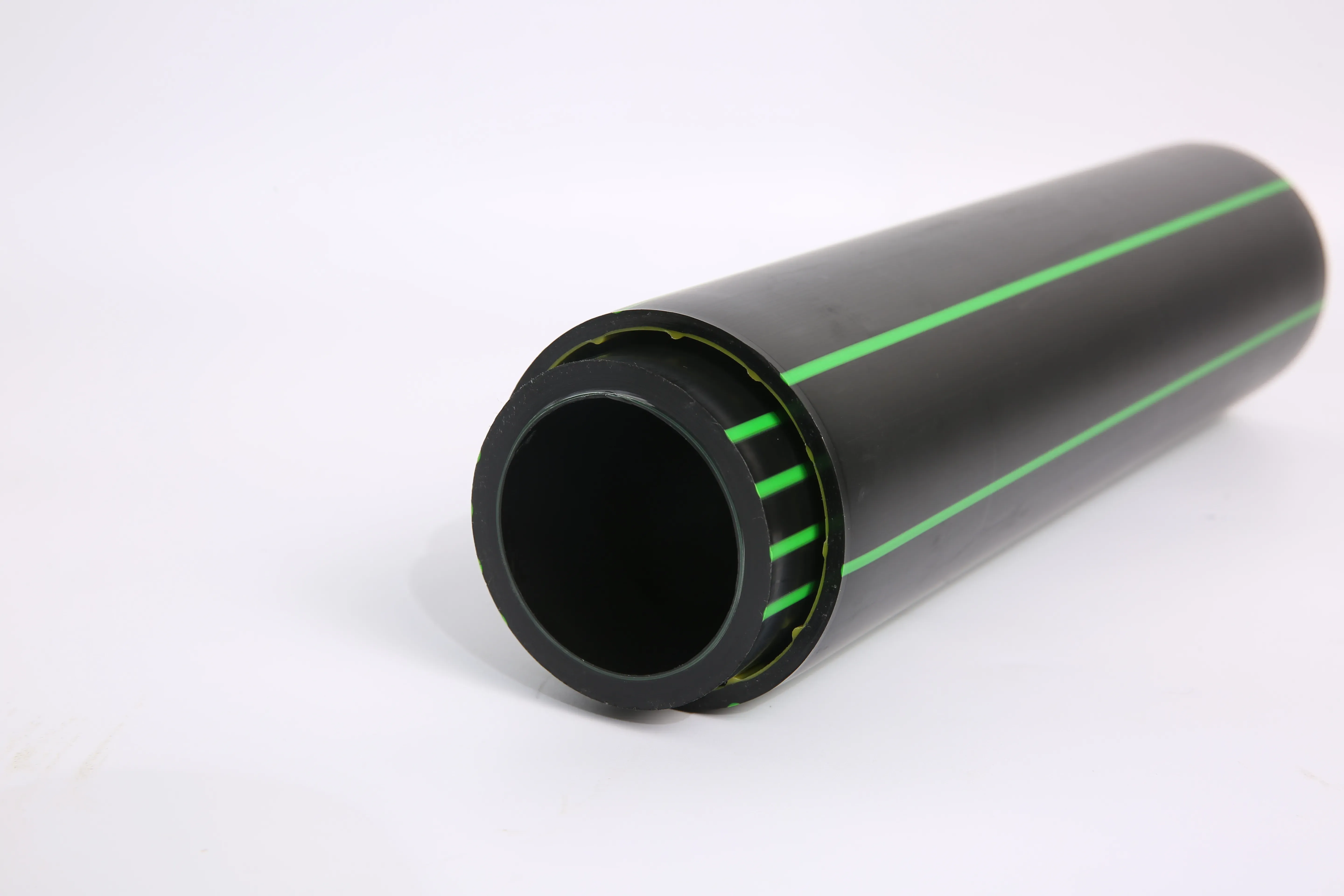
Check which parts
The principle for selecting inspection points is the intersection of "prone to issues" and "with significant impact if issues occur". Sealing points, connection points, components requiring action, and areas where liquids are stored typically account for the majority of issues identified during inspections.
| Inspection location | What is the main focus | Common abnormal manifestations |
|---|---|---|
| Fuel nozzle and hose | The air return port is unobstructed, and the appearance of the hose | The air return port is blocked, and the rubber hose is cracked and aged |
| Pipeline connection part | Leakage traces on connectors, flanges, and quick connectors | Localized oil stains and abnormal odor |
| Vacuum pump or compressor | Sound, vibration, temperature, and operation indication | Abnormal noise, increased vibration, and high temperature |
| Condensate collection and discharge | Liquid level, discharge action, low point of pipeline | High liquid level, poor drainage, and fluid accumulation at low points |
| Control and display | Alarm indication, display value change | Alarm not reset, value offset |
How to make records useful
The purpose of record-keeping is to make anomalies traceable and trends comparable. Therefore, it is necessary to provide specific details, numerical values, and time stamps. The term "normal" alone cannot serve as a basis for judgment. When anomalies are detected, in addition to recording the phenomenon, the operating conditions at that time should also be recorded, such as whether oil is being unloaded or whether the previous shift had dealt with it. This information is crucial for subsequent investigation.
Problems found during inspections must have a closed-loop process: recording, reporting, handling, and re-inspection, with traces left in all four links. Without a closed-loop inspection record, no matter how much data is accumulated, it will be difficult to support management decisions.
Frequently Asked Questions
How often is the inspection conducted?
It is usually carried out on a shift basis, at least once per shift; it is recommended to conduct an additional targeted inspection before and after centralized operations such as oil unloading. The specific frequency should be determined based on the workload of the station.
Can issues be addressed on-site after being discovered during inspections?
Issues that can be handled within the scope of inspection, such as resetting, cleaning, and fastening, can be addressed on-site and recorded; those involving disassembly, replacement of parts, or affecting system operation should be reported and handled by professionals.
How long should the records be kept for?
It is recommended to archive and store the records along with other operational records of the site, with the specific retention period following the site management requirements. The value of the records lies in their traceability and comparability, and a too short retention period will greatly diminish this value.
This article is compiled by Luoyang Wohong Petrochemical Equipment Co., Ltd. The company provides design and manufacturing, skid-mounted customization, installation and commissioning, as well as after-sales operation and maintenance services for three-time oil and gas recovery equipment to gas stations and oil depots. If you need on-site inspection or scheme configuration, please feel free to contact us for discussion.