When gas stations undergo underground tank renovation, the three-stage vapor recovery system often reaches a stage where it needs to be addressed simultaneously. The cost and effectiveness of doing these two things separately or together vary greatly: doing them separately means that the station area needs to be excavated twice, the business needs to be closed twice, and the pipelines need to be connected twice; doing them together allows for the oil tanks, pipelines, vapor recovery systems, and supporting monitoring facilities to be straightened out in one construction process.
Why is it suitable for synchronous implementation
The renovation of underground storage tanks inherently involves excavating the tank area and replacing or refurbishing pipelines. With the operational surface already exposed, adding return gas pipelines and corresponding interfaces at this stage incurs significantly lower marginal costs compared to excavation alone. More importantly, there is a direct process connection between the storage tanks, pipelines, and recovery system: changes in tank capacity affect the amount of oil and gas produced, while the diameter and slope of pipeline entrances directly determine the smoothness of return gas flow. The selection of recovery units also needs to be recalculated based on the new tank capacity and refueling intensity. Coordinating these three aspects at once can prevent mismatches between units and pipelines after renovation.
Key points for simultaneous implementation
- First, calculate the amount of oil and gas generated after the tank capacity changes and the peak refueling volume, and then determine the processing capacity of the recovery unit
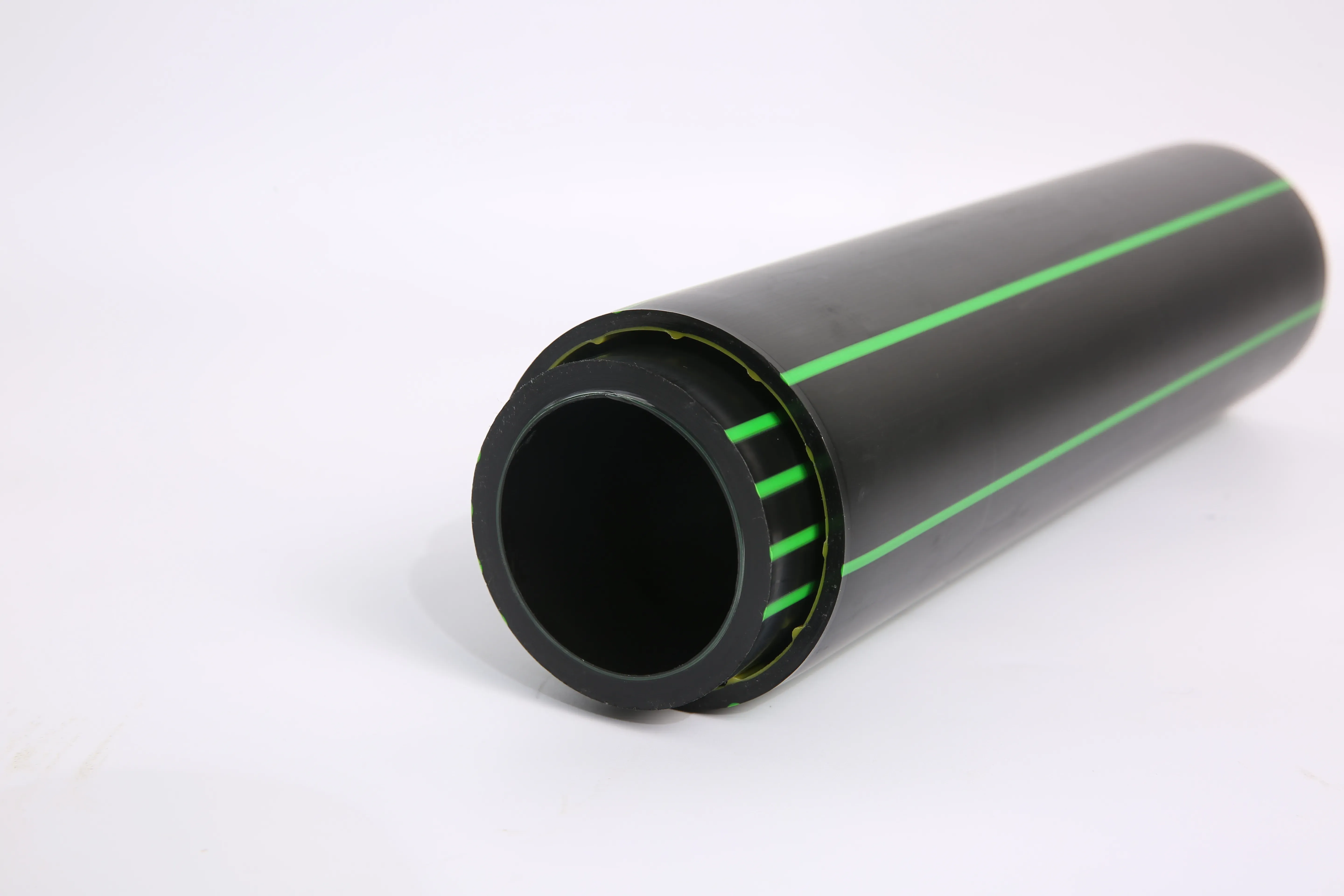
- The return pipe and the oil pipeline are laid simultaneously, maintaining a continuous slope and reducing bends to avoid separate construction in the later stage
- Reserve air return interfaces and inspection ports on the manhole and the bottom slot of the fuel dispenser for subsequent inspection
- The construction records and pressure test records of pipelines and interfaces should be organized simultaneously and included in the completion documents
How to arrange the construction sequence more stably
A more prudent sequence is to first complete the excavation of the tank area and the positioning of the storage tanks, then lay the pipelines and complete the pressure test, followed by the installation of the recovery units and their joint commissioning, and finally carry out backfilling and restoration of the station surface. Placing the unit commissioning before backfilling is to avoid having to re-excavate if issues are discovered during commissioning. During the commissioning phase, it is recommended to conduct tests under different refueling intensities to ensure that both the return gas pressure and recovery efficiency fall within the expected range.
Comparison between doing separately and doing simultaneously
| Comparison item | Implemented separately | Simultaneous implementation |
|---|---|---|
| Number of excavation times | Twice, once for the tank area and once for the pipeline | Complete the tank area and pipeline at once |
| Business suspension time | Two closures, with cumulative impact | "Cease operations and focus, making it easier to arrange." |
| System matching | The impact of tank capacity changes on oil and gas volume is often overlooked | Unified accounting for tank capacity, pipelines, and units |
| as-built documents | Two batches of materials, easy to miss connections | Organize once and record completely |
Two things to be reminded
Firstly, don't leave the selection of the recovery unit until the last minute. Once the tank capacity and refueling intensity are determined, the unit capacity should be calculated, otherwise it is easy to encounter situations where the unit does not match the site and can only operate barely by adjusting parameters. Secondly, the construction records of the pipeline should be made on the spot, especially the slope, interface, and pressure test data, as it will be difficult to verify after backfilling.
Luoyang Wohong Petrochemical Equipment Co., Ltd. specializes in the research, development, and manufacturing of tertiary oil and gas recovery equipment, and provides equipment selection and supporting services for gas station renovation projects. For stations with tank renovation plans, please feel free to contact us to discuss the project details.