The value of an annual maintenance plan lies in consolidating scattered maintenance tasks: specifying when to do what, to what extent, and who will confirm. Without a plan, maintenance often follows failures, and actions are taken only when problems arise, which is both reactive and uneconomical. Preparing a plan is not complicated. Simply categorize projects by cycle, schedule them according to time, and clearly state the recording requirements, and an executable plan is formed.
How are maintenance items classified
Classifying by cycles is more manageable than classifying by equipment: daily inspections are conducted every shift or daily, monthly maintenance is carried out once a month, and annual overhauls focus on handling projects that require downtime or a longer duration, such as heat exchanger surface inspection and cleaning, vacuum pump maintenance, control system verification, and interlock testing. After classification, each cycle will not overlap with each other, and annual overhauls will not be overwhelmed by daily chores.
How to arrange the timing
When arranging the timing, two things should be considered simultaneously: the historical patterns of equipment operation and the operational rhythm of the station. In terms of operation, it is advisable to choose a period with relatively mild temperatures and less pressure from oil and gas volatilization. In terms of operation, it is necessary to avoid peak refueling periods and holidays. When combining these two constraints, there are actually not many feasible windows. Therefore, it is best to determine the annual maintenance timing a quarter in advance and reserve spare parts and personnel.
Four steps of plan preparation and implementation
- Summarize the fault records and inspection records from the previous year to identify recurring issues;
- Classify projects by cycle, and specify the inspection content and qualification judgment criteria for each project;
- Based on the business schedule, arrange the projects that require downtime in a centralized manner;
- Clarify the arrangements for spare parts, tools, personnel, and records, formulate a written plan, and distribute it to the team.
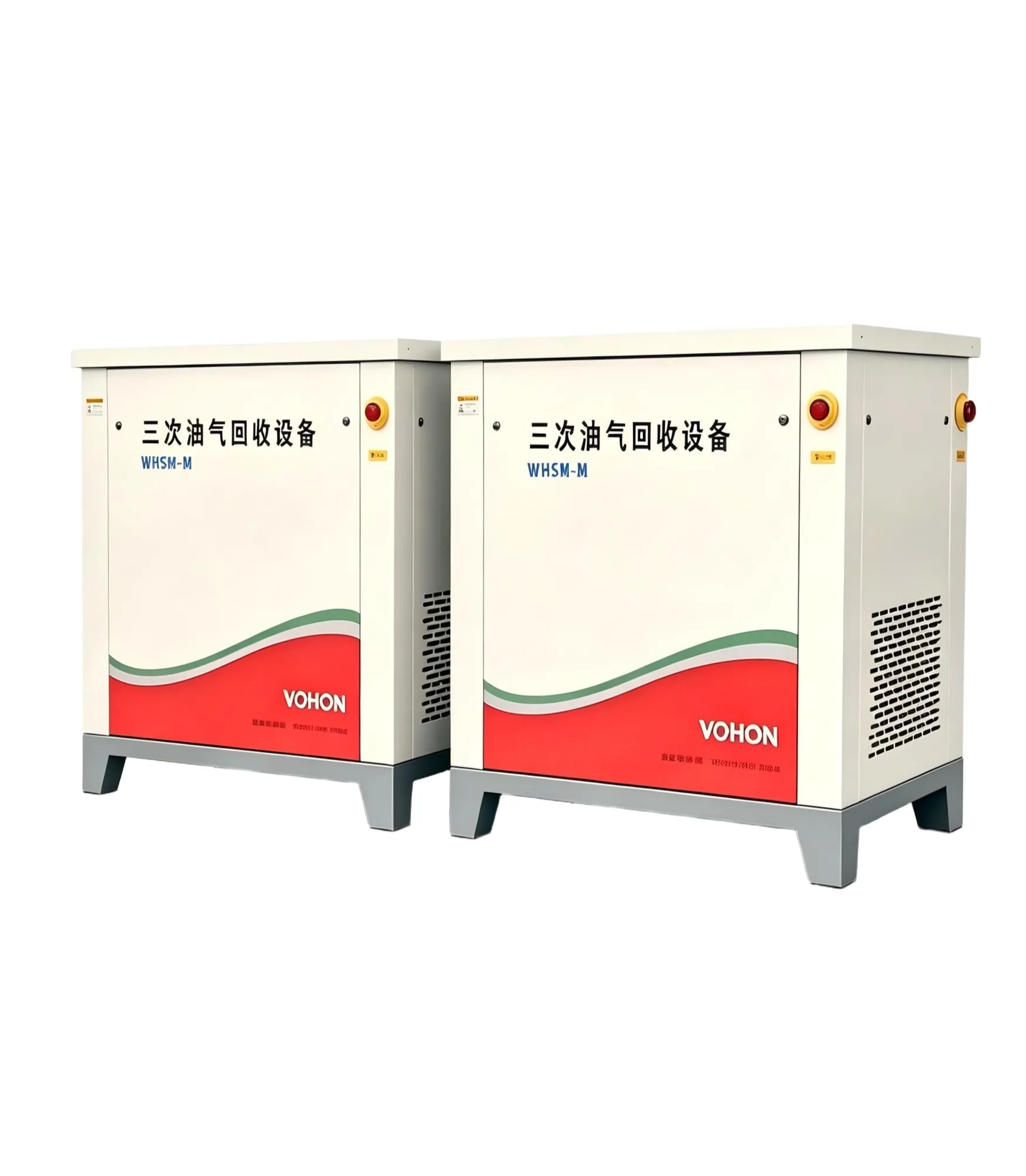
Maintenance content and record requirements
The maintenance record should be able to answer three questions: What was done, what were the results, and what should be focused on next time. Simply writing "checked" is not helpful for the next maintenance. It is recommended to record the actual inspection results and discovered issues item by item, and also include the handling methods.
| Maintenance level | period | Main content |
|---|---|---|
| routine inspection | Every class or every day | Record of operating parameters, observation of abnormal noises and leakage |
| Monthly maintenance | monthly | Inspection of wearing parts, fastening of connecting parts, and inspection of the drainage system |
| Annual maintenance | every year | Inspection and cleaning of heat exchange surfaces, maintenance of vacuum pumps, verification of control systems, and interlock testing |
| special inspection | on demand | Carry out actions for recurring issues or after process adjustments |
Common issues during execution
The most common situation after the plan is compiled is that it is squeezed out by production tasks or the project is simplified during implementation. The way to avoid this is to incorporate the annual maintenance into the annual business arrangement in advance and specify the necessity of each project in the plan, so that it is not easily deleted at will during implementation.
Frequently Asked Questions
Must the machine be shut down for annual maintenance?
Some projects require downtime, such as heat exchange surface inspection and interlock testing; other projects can be completed during operation. By arranging the projects that require downtime together, the number of downtime can be reduced.
To what extent should maintenance records be recorded?
Record to the extent that the equipment status can be judged: actual inspection results, problems found, and handling methods. Simply writing "normal" records cannot provide reference when equipment changes occur.
How should spare parts be prepared?
Prepare based on the actual consumption of the previous year and the replacement cycle of consumable parts. The quantity does not need to be large, but commonly used parts should not be lacking. For components with a long procurement cycle, place orders in advance.
This article is compiled by Luoyang Wohong Petrochemical Equipment Co., Ltd. The company provides design and manufacturing, skid-mounted customization, installation and commissioning, as well as after-sales operation and maintenance services for three-time oil and gas recovery equipment to gas stations and oil depots. If you need on-site inspection or scheme configuration, please feel free to contact us for discussion.