Oil and gas recovery projects are mostly implemented at gas stations or oil depots that are operating normally, with construction and business operations competing for time. The core of construction organization lies in three things: clarifying conditions before commencement, coordinating the construction period with the business rhythm, and arranging the links that require downtime within the designated time slots. If organized smoothly, the construction period will be short and there will be less rework; if organized poorly, there will be waiting everywhere.
What should be checked before starting work
Conduct a thorough verification of site conditions, including the routing and burial depth of process pipelines, the connection points for power supply and control signals, the division of explosion-proof areas, and the requirements for construction hot work. It is not uncommon for discrepancies to exist between design drawings and the actual site conditions. Addressing these discrepancies during the design phase is much more cost-effective than halting work and making changes after commencement.
The schedule for the arrival of materials and equipment should be planned: the arrival nodes of main equipment, pipe fittings, and electrical materials should be staggered, and on-site stacking and secondary handling should also be arranged, as site space is usually limited.
How to connect the construction periods
| phase | Main content | Key points of connection |
|---|---|---|
| On-site verification | Pipeline routing, power supply contacts, explosion-proof areas | Resolve differences before commencement |
| Civil engineering and pipe trench | Foundation, excavation, and embedment | Start working first, and leave space for installation |
| Pipeline installation | Prefabrication, assembly, and welding | Prefabrication is completed outside the window |
| The equipment is in place | Main engine, pump, control cabinet | Align the on-site nodes with the foundation |
| Connect the can cutting machine | Grid connection, replacement | Arrange a low-traffic window for business |
| Debugging acceptance | Trial operation, data handover | "Special personnel for supervision, corresponding contingency plan" |
The coordination between construction and operation is arranged according to the principle of "zoning and phasing": the site is divided into several operational zones, with trench excavation, pipeline installation, equipment positioning, and commissioning occupying different zones respectively, ensuring a physical separation between the operational and construction zones. The operations in the tank area and the unloading operations are staggered, and no hot work or tank opening operations are scheduled during peak oil receiving periods.
For long-cycle projects, we should start with the civil engineering and pipe trench works first. Once the equipment arrives, we can proceed with the installation directly, avoiding the situation where the equipment sits idle waiting for the foundation to be completed.
The handover between processes also requires a responsible person: what conditions should be left by the previous process for the next one? For example, welding and corrosion prevention must be inspected and accepted before backfilling the pipe trench. If the backfilled part needs to be redone, the cost will double. The confirmation of the handover should be reviewed during the daily work wrap-up, and any issues should not be left overnight.
How to arrange the downtime window
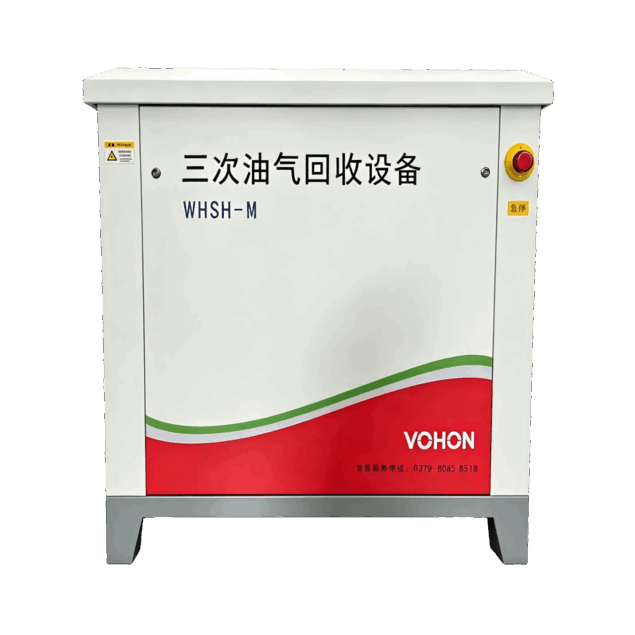
The stages requiring suspension of operations are mainly concentrated in the tank cutting, main pipeline connection, and commissioning phases. These tasks are scheduled during off-peak business hours: specifically, during the window period after oil collection, at night, or during periods of low sales volume. The workload during the window period is prepared beforehand outside the window - pipe sections are prefabricated, valve accessories are in place, and personnel are clearly divided. Once the window opens, work begins immediately, without dragging preparatory work into the window period.
During the commissioning phase, dedicated personnel shall be assigned to oversee the oil and gas replacement and initial operation, which shall align with the station's emergency response plan. Business shall resume after the commissioning is completed. The final step before resuming business is to completely remove the temporary facilities in the construction area. Only after the removal of warnings and isolation, can the station area be handed back for operation.
How to implement construction organization
- Complete on-site verification and discrepancy resolution before commencement, and formulate a confirmed construction plan;
- Prepare a schedule by zones, specifying the operation areas and time for each process;
- Confirm with the station party the staggered arrangement for oil unloading, business operations, and hot work;
- The work content and preparation checklist for the downtime window will be frozen one week in advance;
- Check the progress at the end of each day and compare it with the plan for the next day. Make adjustments to any discrepancies on the same day;
- Organize trial operation and data handover after completion.
Frequently Asked Questions
Can the station still operate normally during the construction period?
Most of the time, it can be done. With the arrangement of partition separation and staggered operation, the business impact is concentrated in the window period of tank cutting, connecting, and debugging, while the rest of the time is for normal operation.
How long is the construction period typically?
Depending on the scope of the project, the renovation of conventional stations is calculated on a weekly basis, while complete oil depot projects are calculated on a monthly basis. Common factors affecting the construction period are site differences and material arrival. If these two items are controlled in advance, the construction period will be relatively stable.
What needs to be done in advance for construction hot work?
The approval process for hot work, work permits, and supervision arrangements in explosion-proof areas should be implemented in advance, and aligned with the safety management system of the station. It is better to handle these matters in advance rather than waiting until the designated time slot.
This article is compiled by Luoyang Wohong Petrochemical Equipment Co., Ltd. The company provides design and manufacturing, skid-mounted customization, installation and commissioning, as well as after-sales operation and maintenance services for three-time oil and gas recovery equipment to gas stations and oil depots. If you need on-site inspection or scheme configuration, please feel free to contact us for discussion.