The winter issues of the three-time oil and gas recovery system are concentrated in two areas: condensate freezing at low points and valve components, blocking the flow cross-section; and water-containing parts such as water seals and breather valves freezing, causing functional failure. The anti-freezing approach can be summarized in three sentences: drain the parts that can be drained before winter, supplement insulation for parts that require it, and add heat tracing to key parts where condensate is continuously produced.
A round of systematic inspections before winter is much more convenient than emergency repairs during winter: downtime caused by freeze-ups often occurs during the coldest and most inconvenient time for operations. Temporary solutions require hot work and insulation removal, which are both costly and risky. Treat winter preparations as a seasonal routine and include them in the annual plan for implementation.
How to perform insulation and heat tracing
Insulation and tracing are treated differently according to the location: insulation is primarily used along the pipeline to reduce temperature drop; for locations such as low-point drain valves and short drain pipes, where condensate must pass through and is prone to accumulation, both tracing and insulation are applied. The tracing band is selected from temperature-limiting types, which automatically reduce power when the temperature reaches a certain level, eliminating the need for fine adjustment; it is laid closely against the pipe wall and secured with aluminum tape. A tracing band that is not properly attached is equivalent to not having it installed at all.
The heat tracing circuit should be separately metered and protected. Before winter, its insulation and temperature rise under power-on conditions should be tested. During operation, regular spot checks should be conducted on the surface temperature - heat tracing failure is not easy to detect, and it is too late to address it when freeze-blocking occurs.
The aging of insulation materials is also within the scope of inspection: insulation layers that have been in use for several years often exhibit cracks, sink due to moisture, and the insulation effect is greatly reduced after air leaks through the joints. During winter inspections, damaged parts should be repaired with the same material, and the ties and outer protective layers should be restored together to leave no gaps for low temperatures.
How to arrange low-point emptying
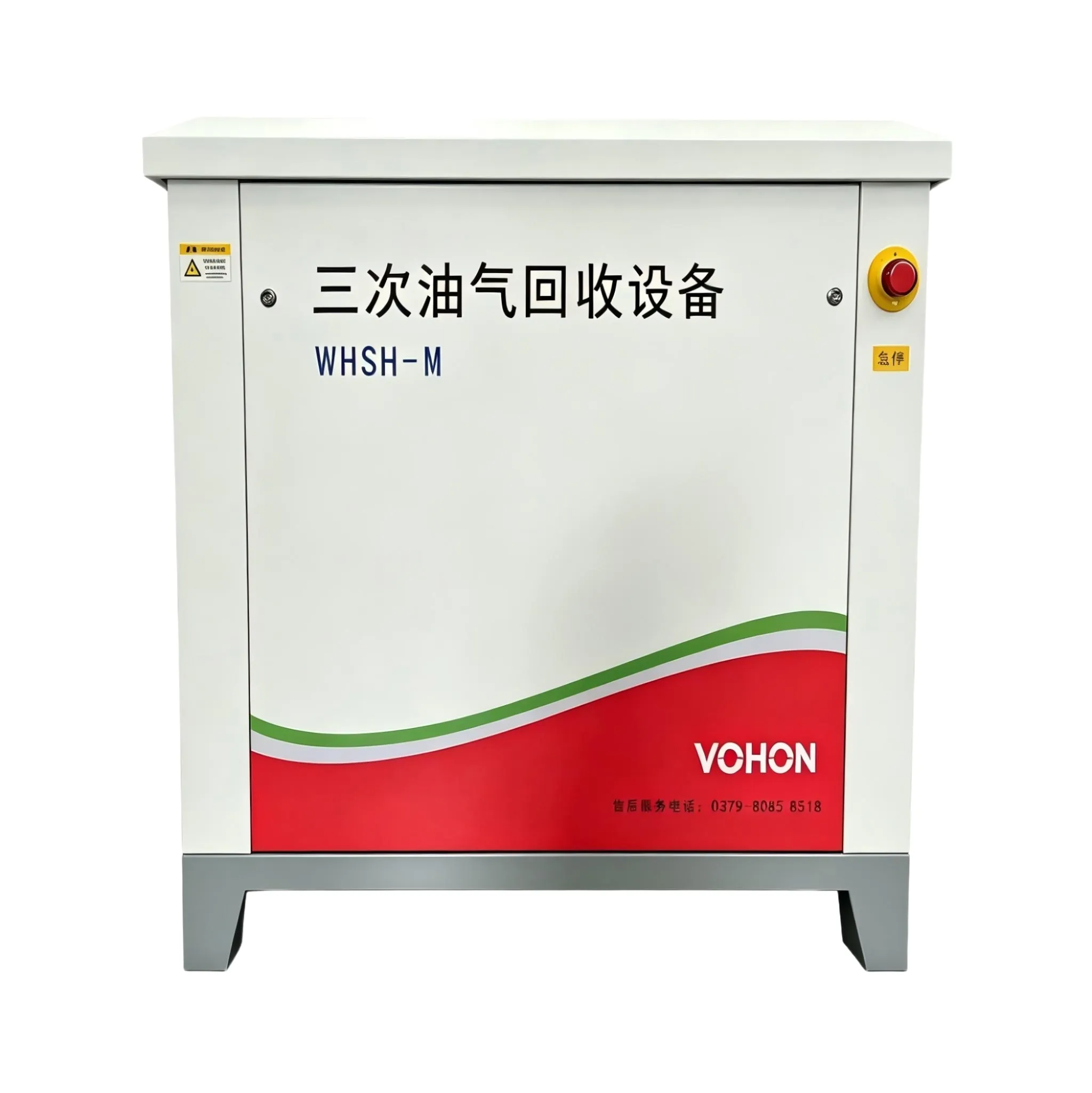
Before winter sets in, drain all low-point fluid accumulation in the entire system: Open the discharge points one by one, and continue to drain for a few seconds after continuous fluid discharge is observed to confirm that the fluid accumulation has been completely drained. For long-term standby branches and blind pipe sections, drain the fluid inside the pipes after closing the upstream valve. Before winter, replace water-sealed parts with antifreeze solution or change them to dry seals, depending on the functional requirements of each part.
Drainage is not a one-time solution: Condensate still forms during winter operations, and the frequency of low-point drainage is higher than in summer. After each temperature drop in open pipe sections, additional drainage is required, and the amount of condensate after temperature drop is often greater than usual. Drainage operations are scheduled during the midday hours when temperatures are higher. During periods when valve components are frozen, forced turning is not recommended; instead, thaw them before proceeding.
Winterization measures for various parts
| body part | Winter risks | Winterization measures |
|---|---|---|
| Low-point drain valve | Fluid accumulation and freeze blockage | Heat tracing and insulation, frequent draining |
| Water seal and liquid seal | The sealing liquid has lost its effectiveness due to freezing | Replace the antifreeze or switch to a dry type |
| breathing valve | Valve disc freezing | Check for defrosting, and replace with an anti-freeze type if necessary |
| Pressure gauge impulse piping | Pressure guiding tube frost cracking | Drain or heat tracing |
| Open-air pipeline section | Condensate increase | Make up for insulation, and increase emissions after the cold wave |
| Pressure tap of instrument | Pressure tapping blockage | Heat tracing and shortening the pressure introduction distance |
How to implement winter inspection
- Complete a special inspection of the entire system for winterization before winter sets in, and verify the insulation and heat tracing status of each part;
- Perform and sign off on the low-point evacuation point by point, leaving no unconfirmed areas;
- Conduct power-on testing for the heat tracing circuit, and record insulation, temperature rise, and current for each circuit;
- The water-containing parts such as water seals and breather valves should be treated one by one, and the treatment methods should be recorded;
- Increase the inspection frequency of outdoor pipeline sections and discharge points during winter inspections, and conduct an additional inspection after a cold wave;
- Conduct a review during the spring thaw, and include the damaged areas in the maintenance plan.
Frequently Asked Questions
What should we do in winter for old stations without heat tracing conditions?
Rely on management to compensate: Increase the frequency of low-point emissions and inspections, conducting one before and one after the cold wave, which can usually be managed in most years. For parts that are repeatedly frozen and blocked, initiate technical upgrades and add heat tracing.
Will the heating cable overheat the pipeline if it is continuously powered?
The power of the self-regulating heating cable automatically decreases with temperature, so it will not overheat during normal installation; there is no need for manual management of the power-off timing. The focus of inspection is on whether the circuit is intact and whether the surface temperature rise is normal.
Is it normal for the recovery rate to decrease in winter?
Slight fluctuations are normal, and gas phase condensation is actually beneficial when the temperature is low; for significant decreases, first check for freeze blockage and valve malfunction. When half of the pipeline section is blocked by ice, both flow rate and recovery rate will decrease.
This article is compiled by Luoyang Wohong Petrochemical Equipment Co., Ltd. The company provides design and manufacturing, skid-mounted customization, installation and commissioning, as well as after-sales operation and maintenance services for three-time oil and gas recovery equipment to gas stations and oil depots. If you need on-site inspection or scheme configuration, please feel free to contact us for discussion.