The high outlet emission concentration of the oil and gas recovery equipment for three times does not necessarily mean that the equipment is broken: an increase in inlet concentration, leakage in the collection system, insufficient condensation temperature, and failure of the downstream checkpoints can all push up the outlet readings. The significance of troubleshooting lies in locating the causes in order, first checking for external factors that are easy to identify, and then checking the equipment itself, to avoid dismantling and inspecting extensively at the beginning.
The outlet concentration is the result of the entire recovery chain, and any change in any link in the chain will be reflected at the end. Blindly handling equipment often leads to operational issues that are not identified, but instead, it may affect components that should not be touched. Troubleshooting item by item, starting with the easier ones and moving to the more difficult ones, can identify most causes in the first few steps. The troubleshooting records also serve as a basis for future operation and management.
First, check for leaks in the collection system
Leakage causes the oil and gas that should be recycled to escape halfway, leading to an increase in outlet concentration - a causal relationship that many people may not expect. Apply leak detector solution to the collection cover, joints inside the fuel dispenser, and coaxial hoses one by one, and if bubbles appear, it indicates a leak. The quick connector at the oil unloading and air return port is a high-risk area. After the sealing ring ages, air leakage becomes evident. Replace the gasket first and then observe the change in readings.
The return gas connection on the oil depot side should also be included in the investigation: if no results are found after checking within the station, contact the oil depot to inspect both the tanker's return gas valve and the connection. If either of the sealing surfaces at both ends is not tight, the emission data will be affected.
Verification of operating conditions and temperature levels
If the inlet gas concentration exceeds the design value of the device, the outlet concentration will naturally increase accordingly. Switching to new oil products, high temperatures in summer, and peak oil unloading periods can all cause the oil and gas load entering the device to exceed the norm. Check the difference between the inlet gas concentration and the design operating conditions, and pass on the fluctuations exceeding the design value to the subsequent stages for verification. For long-term excess, discuss expanding capacity or adjusting the process time.
Check the condensation temperature level using surface temperature and refrigerant pressure: excessive frosting on the evaporator and insufficient refrigerant will both cause the actual temperature level to be higher than the set value, resulting in a decrease in recovery efficiency. The temperature level verification should be done after the operating condition verification, with both sets of data presented together, making it clear at a glance where the problem lies.
Check the data in the later stage
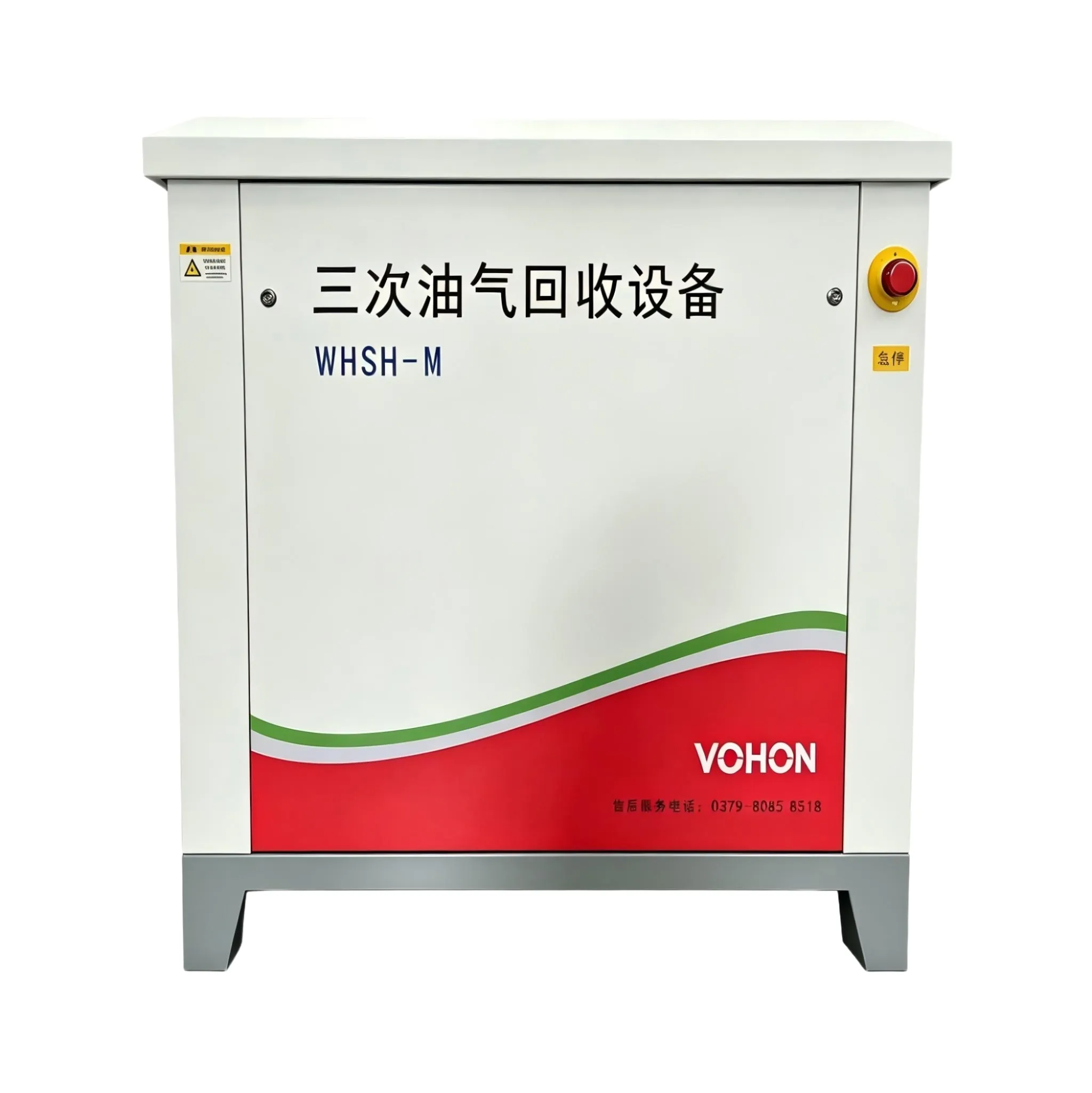
The effectiveness of the membrane separation or adsorption section can be evaluated from two aspects: whether the concentration difference between the inlet and outlet is maintained, and whether the regeneration or desorption cycle is executed as planned. If the outlet concentration of the control section slowly increases, it is mostly due to the adsorption material reaching its lifespan. Arrange for replacement based on the pressure difference and outlet data, rather than waiting until it exceeds the standard.
Another often-neglected aspect of troubleshooting is the instrument itself: blockages in the sampling pipeline of the concentration detector and sensor drift can both cause falsely high readings. Calibrating the instrument with standard gas is not expensive, but it can separate device issues from measurement issues. It is worth placing it early in the troubleshooting sequence, after leakage checks.
Investigation items and interpretation reference
| Items to be checked | inspection method | Key points of interpretation |
|---|---|---|
| Measuring instrument | Standard gas calibration | First, eliminate the possibility of false high readings |
| quick coupling | Apply leak detection liquid | Replace the sealing ring when bubbles appear |
| Coaxial hose | Visual inspection plus hand pinching | If it is crushed or worn, replace it |
| Intake concentration | Compare with the design value | Long-term exceeding capacity expansion |
| Condensation temperature level | Surface temperature and refrigerant pressure | If the frost is too thick, defrost first |
| Final check | Difference in concentration between inlet and outlet | The difference has narrowed, time to replace consumables |
How to implement investigation
- First, check the instrument calibration and confirm the credibility of the readings using standard gas;
- Collect system leak detection fluid and conduct a thorough investigation for each port, and close the leakage points after treatment;
- Check the intake concentration against the design operating conditions, and record the time period and magnitude of the deviation;
- Conduct point-by-point verification of the condensation temperature level, and confirm the status of the frost layer, refrigerant, and compressor item by item;
- The final inspection is based on import and export data, and the adsorption materials are replaced according to their service life cycle;
- Each investigation should be documented, and the concentration trend and corresponding treatment measures should be compared and archived.
Frequently Asked Questions
If the emission concentration is found to exceed the standard, what should I do first?
First, retain the sample and record the operating condition data at that time. Then, conduct troubleshooting following the order outlined in this document. Clearly identify the cause before making any rectifications. The reasons and measures stated in the rectification report must match, so that the report can stand up to scrutiny during review.
Is it normal for the concentration to be generally high in summer?
It is normal that under high temperature conditions, oil and gas volatilization is strong, the intake load of the device is high, and the overall outlet concentration increases. In summer, it is important to closely monitor the condensation temperature level and the state of consumables in the later stages to keep fluctuations under control.
What if we fail to find the cause after a round of investigation?
Organize the troubleshooting records and contact the equipment manufacturer to bring the data to the site. Recorded troubleshooting saves half the time compared to verbal description, and the manufacturer can also identify the cause of the problem more quickly.
This article is compiled by Luoyang Wohong Petrochemical Equipment Co., Ltd. The company provides design and manufacturing, skid-mounted customization, installation and commissioning, as well as after-sales operation and maintenance services for three-time oil and gas recovery equipment to gas stations and oil depots. If you need on-site inspection or scheme configuration, please feel free to contact us for discussion.