The operational performance of the oil and gas recovery equipment after three deliveries is only half due to the device itself, and the other half depends on the proficiency of the operating personnel. Operational training is the most rewarding aspect of the delivery process: at stations with adequate training, alarms can be handled and data can be understood independently; at stations lacking training, even minor issues require the manufacturer's presence, and the time the device spends idle waiting for someone to arrive exceeds the maintenance time.
The difficulty of training lies not in the amount of content, but in the organization method: centralized lecture-style training, where much is memorized on the spot and forgotten within two weeks after returning. Truly effective training breaks down the content into modules that are relevant to specific positions, teaches on-site with equipment, and then allows trainees to practice what they have learned.
What will the training cover
The content is tailored according to job requirements and is not exhaustive as per the manual: the startup and shutdown sequences and daily operations are covered until the trainees can complete them independently; the identification and handling of alarms and common abnormalities cover several types that occur frequently, with repetitive and difficult abnormalities referred to after-sales service; how to interpret operational data - the normal ranges and abnormal signals of indicators such as gas-liquid ratio, liquid resistance, and emission concentration; safety precautions and prohibited actions are presented in a separate section, with each item explained clearly and why it is important.
Keep the supporting materials up to date: laminate the operation cards and stick them next to the equipment, with one card for normal start-stop operations and another for alarm handling; provide the sample record form for the trainees to fill out, and they can follow it when they go back. The language used on the cards and sample form should be based on the habits of the station staff, with minimal use of technical terms. Write the steps as actions, so that trainees can follow the instructions and complete the tasks.
How to organize training
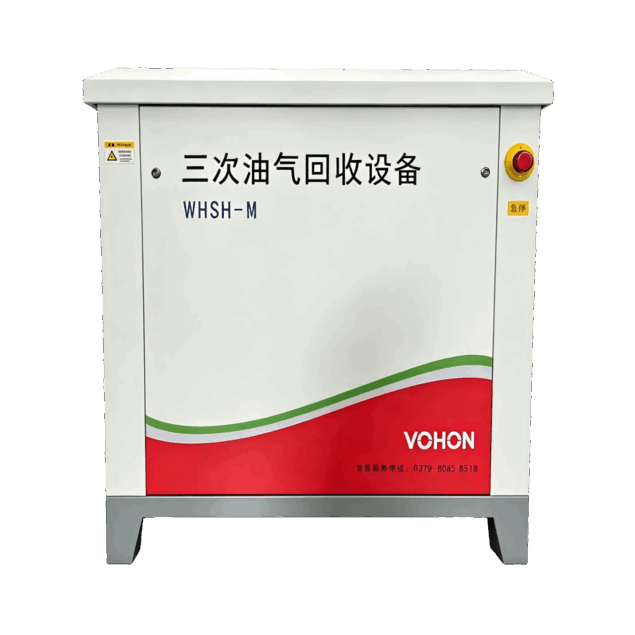
The training will be conducted in two sessions: one during the installation and commissioning phase, where the station personnel will follow and observe the entire process, explaining the structural principles as the equipment is being installed. At this time, the equipment is open and the internal structure is visible, providing a good opportunity to explain the principles. The other session will be during the delivery and acceptance phase, where the focus will be on explaining the operation and disposal of the installed equipment, with an emphasis on enabling the trainees to get hands-on experience. Both sessions will include assessments: the trainees will independently complete one startup and shutdown procedure and one simulated alarm handling procedure, and sign to confirm.
Personnel turnover is a common loophole in training effectiveness: new employees take over without undergoing training, relying solely on word-of-mouth for operations. Clearly hand over training materials and operation cards, and agree on contact information for new employee training, so that when there is a personnel change at the site, classes can be arranged at any time. The training archives are retained by the site: participants, assessment results, and handover checklists are all included in one volume, which is transferred along with the materials during handover, so that the new personnel know to what extent the training for this device has been conducted.
How to arrange after-sales coordination
| Training module | Key Points | organizational method |
|---|---|---|
| routine operations | Startup and shutdown sequence, inspection coordination | On-site demonstration plus hands-on practice for trainees |
| Alert Handling | Common alarm judgment and reset | Simulated alarm operation practice |
| Data interpretation | Normal range of indicators and abnormal signals | Discuss based on historical records |
| Safety Precautions | Strictly prohibited actions and emergency handling | Explain the reasons one by one |
| Record filling | Sample operation record table | Take the trainees to fill it out once |
| Re-training arrangement | Personnel changes and annual refresher training | After-sales channel available for appointment at any time |
How to implement training
- Send the training module list to the station before delivery and agree on the participants;
- Provide one-time teaching during the installation and debugging phase, explaining the structural principles while installing;
- In the second delivery phase, the focus is mainly on operation and alarm handling;
- After the training assessment and endorsement, those who fail will be arranged for additional training;
- The operation cards and record sample forms have been handed over and posted in place;
- Agree on training channels for subsequent refresher training and personnel changes.
Frequently Asked Questions
How long will the training take up for the station side?
Within two days in total: spend half a day observing during the installation phase and another half day getting started in the delivery phase. These tasks are spread across two phases, without occupying a whole block of work time.
The staff turnover rate in the station is high. What should we do if we train them but they still leave?
It is precisely because of high turnover that training needs to be made reproducible: operation cards should be posted next to the equipment, and new employees should follow the cards to operate; after-sales channels should be agreed upon, and personnel changes should be supplemented with training at any time. It is unrealistic to expect stable personnel to maintain the effectiveness of training.
How to teach when the students' proficiency levels vary greatly?
With operational proficiency as the bottom line, there is no requirement to understand the principles. Students with a weak foundation should first pass the operational and safety parts, and data interpretation can be supplemented in the refresher training. The assessment is also tiered, and everyone must pass the operational part.
This article is compiled by Luoyang Wohong Petrochemical Equipment Co., Ltd. The company provides design and manufacturing, skid-mounted customization, installation and commissioning, as well as after-sales operation and maintenance services for three-time oil and gas recovery equipment to gas stations and oil depots. If you need on-site inspection or scheme configuration, please feel free to contact us for discussion.