The liquid resistance detection of the gas station's vapor recovery system serves as a direct means to determine whether the collection pipeline is unobstructed. If the liquid resistance is relatively high, the vapor collected in the first stage cannot be returned to the storage tank, and the return of vapor during the second stage of refueling is obstructed, affecting both emission data and refueling experience. The liquid resistance detection itself is not complicated; by clarifying the timing of detection, interpretation criteria, and the order of troubleshooting for bottlenecks, abnormal pipelines can be detected and addressed early.
The essence of liquid resistance lies in the resistance encountered by oil and gas flowing inside the pipeline: if the pipeline slope does not meet the return slope requirements, there is fluid accumulation at low points, the interface is deformed or misaligned, or foreign objects enter the pipeline, the pressure difference reading will increase under the same flow rate. The principle of detection is to measure the pressure difference at both ends of the pipeline at a specified flow rate. If the pressure difference exceeds the limit, it is determined that there is a liquid resistance issue, and the blockage point needs to be identified and addressed.
What circumstances should prompt the arrangement of testing
Three types of situations require liquid resistance testing: acceptance testing for newly installed or modified systems to confirm the quality of pipeline construction; annual regular testing to monitor changes in pipeline status over time; diagnostic testing during operation when there are abnormal gas returns or elevated emission data, to identify whether the problem lies in the pipeline or equipment. The flow rate and qualification criteria for these three types of testing are consistent, allowing for longitudinal comparison of previous records. An upward trend in pressure difference serves as a signal for early intervention.
The timing of inspections is also crucial: acceptance inspections should be arranged before commissioning, annual inspections should avoid peak oil unloading periods, and diagnostic inspections should be conducted under conditions where the fault phenomenon reoccurs - qualified data measured under no-load conditions does not necessarily mean that the loaded pipeline is problem-free. Each inspection should record the current operating conditions, and the value of the data increases with the completeness of the records.
Preparations before testing are not numerous but must be done correctly: confirm the seal between the testing port and the pressure gauge, ensure the isolation between the two ends of the pipeline and other branches is in place, and avoid data interference from other branches. Reserve a measuring point on both the fuel dispenser side and the tank side, and measure in both directions - passing in one direction does not mean passing in the opposite direction, as slope issues often manifest only in one direction.
How to check if the pressure difference exceeds the standard
After exceeding the standard, troubleshooting should be carried out in the order of difficulty: first, check for fluid accumulation at the low points of the pipeline, and dismantle the low-point drain outlet to see if there is any stored oil or water; then, check the slope, use a level ruler to test representative pipe sections, and focus on inspecting the modified pipe sections - it is not uncommon for the slope to be reversed during construction to bypass obstacles; finally, inspect the joints and pipe fittings. Deformed, misaligned, and delaminated rubber hoses are concealed blockages, and rubber hoses with intact appearance may also have internal delamination and diameter reduction.
The handling of identified bottlenecks is determined by type: drain the fluid accumulation and correct the cause of water accumulation, which is often related to the sinking of the pipe support; adjust the slope if it is reversed, with the workload mainly focused on adjusting the pipe section supports; directly replace the deformed rubber hose. After handling, conduct a retest. Only when both bidirectional pressure differences return to within the limit can the issue be considered resolved. The data from the inspection and retest should be kept in the same file.
Test items and interpretation reference
| Detection situation | Key points of interpretation | follow-up action |
|---|---|---|
| Acceptance Inspection | Both pressure differentials are within limits | After passing the test, it is put into operation |
| Annual inspection | Compared with the data of the previous year | "Trend escalation means investigation" |
| Diagnostic testing | If the value exceeds the standard, it is determined as liquid resistance | Check based on the interface of fluid accumulation slope |
| Low-point sewage discharge | Check the stored oil and water | Drain and adjust the sinking pipe support |
| Spot check of slope | Spot test of representative pipeline sections | Adjust the slope of the reverse slope section |
| Retest and cancel | Pressure difference return limit after processing | Data is saved in the same format |
How to implement the detection
- The acceptance inspection and annual inspection are scheduled as planned, with records kept of both directions of pressure difference;
- When there is an abnormal return gas or elevated emissions, additional diagnostic testing should be conducted, and the data should be compared with historical records;
- After exceeding the standard, investigate the bottlenecks in the order of fluid accumulation, slope, and connection;
- After processing, conduct a retest and cancel the record. The records of detection and retesting should be kept in the same file;
- Incorporate the inspection of pipe bracket subsidence and hose deformation into the daily visual inspection routine;
- Longitudinal comparison of historical pressure difference data reveals a trend of increase, indicating the need for early intervention.
Frequently Asked Questions
Can I conduct the liquid resistance test on my own, or do I need to hire a testing agency?
Annual regular inspections and acceptance tests are conducted by qualified institutions according to specifications, and the data has external validity; daily diagnostic tests can be conducted within the station using portable pressure gauges, which are used to grasp trends and decide whether to schedule formal inspections.
The pressure difference is just on the edge of the limit. Should it be addressed?
Suggested for observation: Record the current operating conditions and readings, and shorten the interval for retesting. The liquid resistance develops slowly, and the pressure difference operates close to the limit. There is a high probability of exceeding the standard in the next cycle. It is more prudent to address the issue in advance rather than rushing to repair after it exceeds the standard.
Is it influential to put into operation without conducting liquid resistance testing after pipeline renovation?
Risk: The gradient and interface quality of the renovated section lack data support, and issues will gradually emerge during operation. Only after conducting a supplementary bidirectional inspection and incorporating the data into the archives can the renovated section be deemed fully completed.
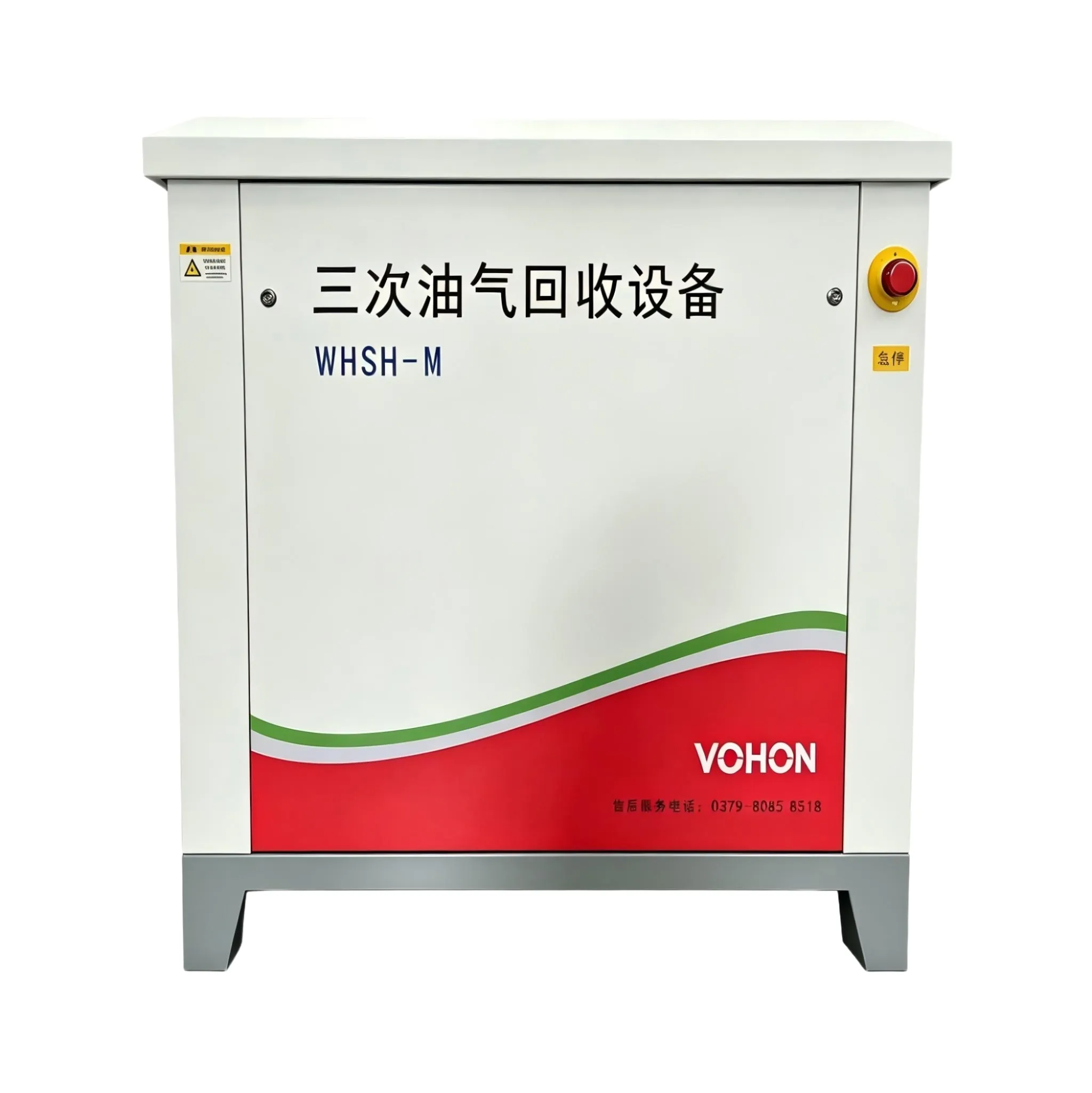
This article is compiled by Luoyang Wohong Petrochemical Equipment Co., Ltd. The company provides design and manufacturing, skid-mounted customization, installation and commissioning, as well as after-sales operation and maintenance services for three-time oil and gas recovery equipment to gas stations and oil depots. If you need on-site inspection or scheme configuration, please feel free to contact us for discussion.