The tank pressure at gas stations serves as a window into the operational status of the entire vapor recovery system: at stations where the tertiary recovery device operates normally, pipelines are unobstructed, and valves are tight, the tank pressure fluctuates within a relatively low range; when the tank pressure remains persistently high, it often indicates an increase in liquid resistance, a stuck pressure vacuum valve, or a failure to start or stop the device as per the settings. Troubleshooting tank pressure issues involves going through these links in order to identify the one that is dragging up the pressure.
The direct impact of high tank pressure is not just unfavorable data: when tank pressure is high, the back pressure of the second-stage return gas of the fuel dispenser increases accordingly, leading to frequent gun trips during refueling, decreased return gas efficiency, and an increased probability of oil and gas escaping into the station. When tank pressure operates close to the constant pressure of the breather valve for a long time, the number of valve disc movements increases, and the wear and aging of the valve port also accelerate. The longer tank pressure management is delayed, the more problems it will entail.
Why is the tank pressure high
The source of tank pressure comes from two aspects: one is the amount of oil and gas entering the tank, which is replenished through oil unloading and replacement, temperature rise during the day, and refueling and gas return; the other is the pathway out of the tank, where the constant pressure of the breather valve, the start-stop pressure of the tertiary recovery device, and the liquid resistance of the pipeline determine whether the pressure can be discharged. The reasons for the high pressure should be investigated from both aspects: on the inlet side, check for any abnormal sources of pressure replenishment; on the outlet side, check whether the device start-stop settings are consistent with actual actions and whether the liquid resistance in the pipeline has increased.
Seasonal factors should also be taken into account: in summer, the temperature of the ground tank rises, and there is a large temperature difference between day and night, leading to significant expansion and contraction of the gas phase inside the tank, and the fluctuation range of tank pressure moves upward overall. By understanding the normal fluctuation range of the season, abnormal increases can be identified - not all higher values are faults, but deviations from the seasonal baseline are the signal.
How to check the pressure vacuum valve
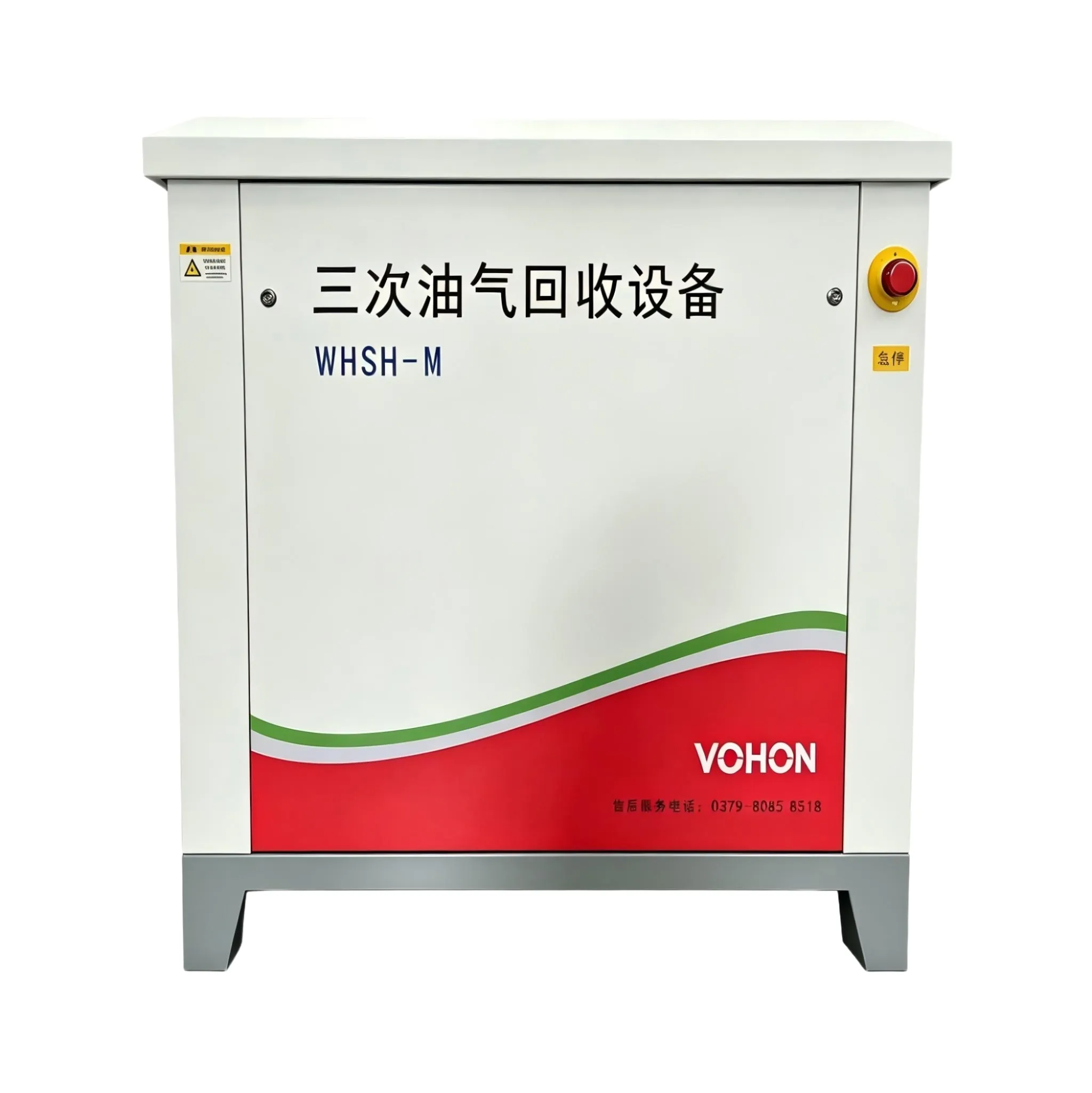
The pressure vacuum valve is the first actuator in tank pressure management. There are four key points to check: whether the set pressure matches the device linkage parameters, whether the valve disc moves flexibly, whether there is gum deposition and wear on the sealing surface of the valve port, and whether the ventilation port of the rain cap is blocked. If the valve disc is stuck, the tank pressure will either build up excessively or fail to release. After disassembly, inspection, and cleaning, perform an action test to confirm its flexibility. The presence of gum deposition on the sealing surface is often related to the cleaning cycle of the valve port, which should be included in regular maintenance and scheduled for each station.
The inspection of valves must be recorded: for each inspection, the constant pressure value, action status, and handling actions should be recorded. Multiple tanks should be documented individually. If the valve of a particular tank repeatedly encounters issues, it is often due to the tank pressure being persistently high, forcing the valve to operate frequently - the valve is merely a symptom, and the root cause lies in tank pressure management. The archived data serves as a clue to identify the root cause.
Collaborative troubleshooting with the device
| Investigation process | Checkpoints | Handling arrangement |
|---|---|---|
| Start-stop setting | Check the set values against the plan | If there is a mistake in the correction, it should be restored and recorded |
| Device start-stop | Record and setting comparison | "Should we initiate an investigation and control?" |
| Pipeline fluid resistance | Specified flow rate and pressure difference measurement | For overruns, investigate and address bottlenecks |
| Constant pressure of breather valve | Constant pressure and action test | Sticking/binding, disassembly, inspection, and cleaning |
| Valve port sealing | Glial deposition and wear | Include in regular maintenance |
| Seasonal baseline | Establishing records for monthly fluctuation ranges | Deviation from the baseline indicates intervention |
For the joint investigation of high tank pressure and the three-time recovery device, we should proceed in the order of "easy first, then difficult": first, check the start-stop pressure settings of the device to confirm that the set values have not been mistakenly changed; then, review the actual start-stop records of the device and compare them with the set values - if the device is not starting or stopping as expected despite the settings being normal, check the control circuit and pressure sensor; if the device starts and stops normally but the tank pressure remains high, measure the liquid resistance in the pipeline to identify any blockages; finally, recheck the constant pressure and action of the breather valve. After eliminating each link one by one, the link causing the high tank pressure can be basically located.
After the investigation is completed, the conclusions should be recorded in the ledger: the causes are classified into setting-related, equipment-related, and pipeline-related, and the handling actions and retest data should be archived together. For stations where similar causes occur repeatedly, the corresponding inspection items should be intensified - for pipeline-related issues that occur repeatedly, the frequency of liquid resistance spot checks should be increased from annually to semi-annually, and management should follow the data.
How to implement investigation
- Before setting the start-stop of the device, it is necessary to verify the settings. Any incorrect changes should be restored and recorded;
- Compare the start-stop records with the settings, and check whether the control loop should be started or not;
- The liquid resistance is tested at the specified flow rate, and any exceedances are investigated in the order of the blockages;
- Each breather valve should be documented and inspected individually, and any stuck or jammed valves should undergo disassembly and action testing;
- Establish records for the monthly tank pressure fluctuation range, and intervene if it deviates from the seasonal baseline;
- Classify and archive the investigation conclusions, and increase the frequency of repeated item encryption checks.
Frequently Asked Questions
Is there a unified value for determining whether the tank pressure is considered high?
There is no universally applicable value: After the constant pressure and device linkage parameters are set, each station has its own normal range. Using the historical data of the same period of the current station as the baseline, continuous values above the upper limit of the baseline indicate a high signal. The monthly fluctuation range should be recorded in the parameter archive for future reference.
Can the pressure vacuum valve be adjusted on-site to set the pressure?
Constant pressure adjustment should be based on evidence: the constant pressure should match the start-stop parameters of the tertiary recovery device and the design pressure of the storage tank. Random adjustments can disrupt the entire linkage relationship. If the setting is found to be suspicious, first check it against the plan, and after adjustment, conduct an action test and record it.
The tank pressure is generally higher in summer. Should we do anything in advance?
Before the onset of summer, do two things: review the start-stop parameters of the breathing valve and the device to confirm that the linkage relationship is normal under the seasonal operating conditions; schedule the operation period of the tertiary recovery device to avoid peak hours with the oil unloading plan to reduce the overlap of pressure compensation peaks.
This article is compiled by Luoyang Wohong Petrochemical Equipment Co., Ltd. The company provides design and manufacturing, skid-mounted customization, installation and commissioning, as well as after-sales operation and maintenance services for three-time oil and gas recovery equipment to gas stations and oil depots. If you need on-site inspection or scheme configuration, please feel free to contact us for discussion.