The noise generated during the operation of a three-stage oil and gas recovery device is often not a problem with a single component: the fan, compressor, airflow flowing through the pipeline, and vibration of the box and foundation all contribute to the overall sound level on site. When the noise suddenly increases, it often corresponds to a change in the state of a certain component - bearing wear, impeller fouling, pipeline loosening, or airflow short circuit. To address noise issues, it is more effective to first identify the source of the sound and then inspect each component individually, rather than simply adding or reducing vibration.
Noise management carries another significance: when devices are predominantly situated in the corners of the station area, in close proximity to fences and residential areas, the risk of noise complaints emerges earlier than the risk of malfunctions. Incorporating regular sound level observations into routine inspections can not only detect component deterioration in advance but also mitigate conflicts between neighbors.
How to classify the sources of noise
There are three key points to determine the source: First, listen to the tone. Noise from damaged bearings tends to be sharp and periodic, airflow noise tends to be a wide-frequency hissing sound, and loose resonance tends to be a dull buzzing sound. Second, observe the correlation. Noise that varies with speed is usually on the fan and compressor side, while noise that is synchronous with start-stop but independent of speed is often on the valve and pipeline side. Third, feel the vibration. The part with obvious vibration is not far from the sound source. By cross-verifying these three points, the source can be basically identified.
Season and operating conditions are also taken into account: noise only occurs during the oil unloading period, mostly due to issues with the oil unloading vent valve and pipeline flow rate; if the noise persists and gradually worsens, it is likely due to component wear. By correlating the time of noise occurrence with operating conditions, the number of troubleshooting directions can be reduced by half.
How to search for fans and compressors
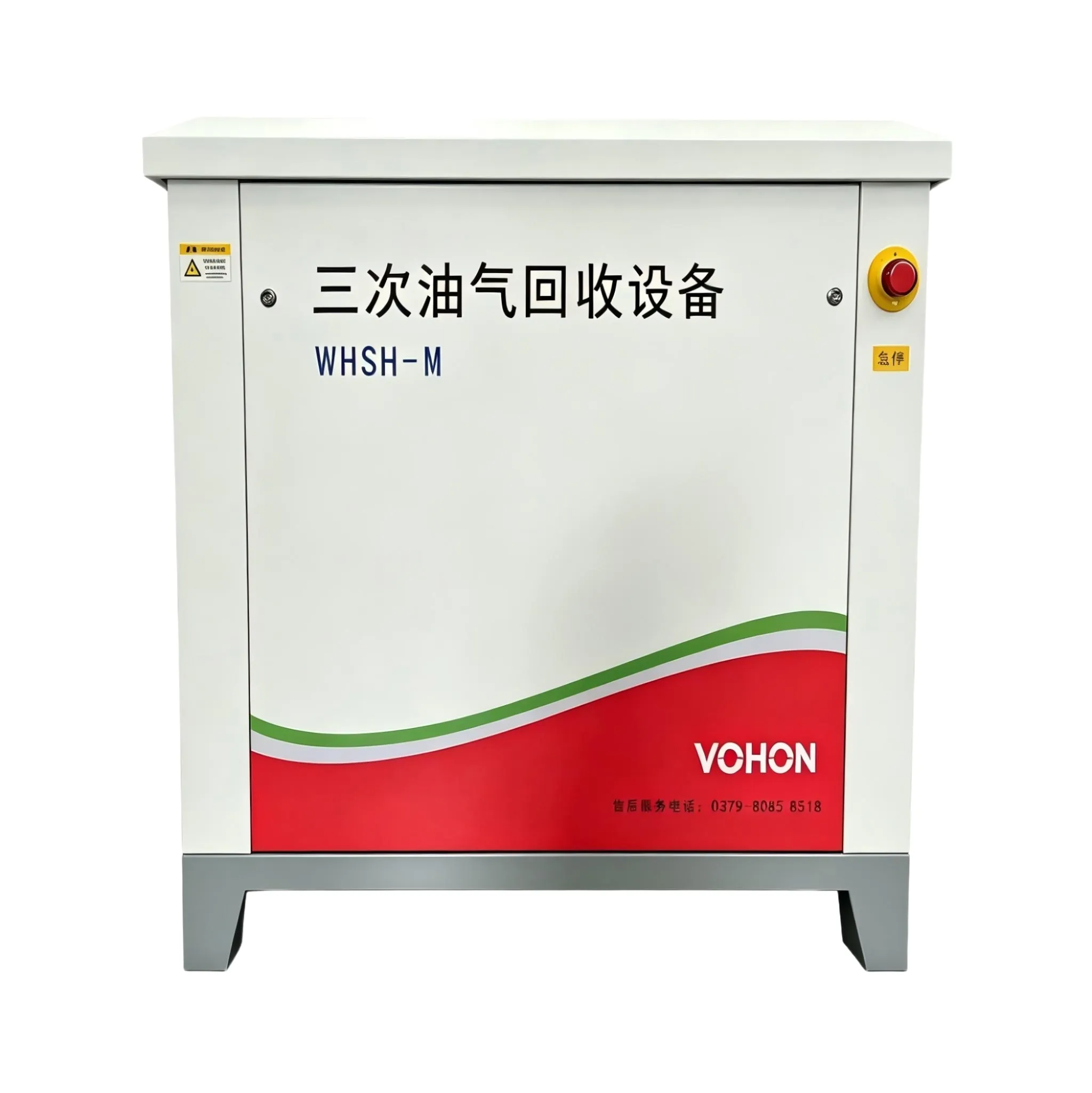
Focus on four points on the fan side: belt tension and wear, as excessive slack can cause a sharp friction sound; bearing temperature rise and vibration, as a listening needle placed against the bearing housing can clearly distinguish between the clattering sound of damaged balls and the normal operating sound; impeller fouling and balance, as uneven fouling can cause fan vibration to gradually increase with operating time; and the condition of foundation bolts and vibration dampers, as a loose vibration damper can turn the box into a resonance chamber. On the compressor side, focus on operating current and exhaust temperature. When current fluctuations are accompanied by changes in noise, valve plates and piston rings are key inspection targets.
After inspection, record each item: location, phenomenon, treatment action, and sound level change after treatment. The effectiveness of noise problem treatment should be supported by data, and comparing before and after data is also convenient for judging whether there is recurrence.
How to handle the pipeline and box
| Examination site | Typical manifestations | Handling arrangement |
|---|---|---|
| Fan bearing | Sharp periodic noise | Replace the bearing and calibrate the alignment |
| drive belt | Skid friction sound | Adjust the tension and replace the worn belt |
| Impeller fouling | The vibration gradually intensifies | Clean the dirt and perform dynamic balancing |
| Foundation vibration reduction | Cabinet resonance buzzing sound | Fasten and replace the failed shock absorber |
| Pipeline flow rate | Broadband hissing sound | Expansion, slow bending, and phased transformation |
| Through-wall pipeline | Vibration transmitted into the building | Install flexible connection |
The airflow noise in pipelines can be addressed from the perspective of flow velocity: in areas where the diameter of the branch pipe is too small or the bend is too sharp, high flow velocity can generate broadband noise. The main solutions are to expand the diameter and make the bend gentler. The resonance of the box body can be addressed through fastening and reinforcement: if the door panel or access hole is loose and produces abnormal noise, simply fasten the hinge and lock latch; for resonance caused by large areas of thin plates, add ribs or apply damping materials. The vibration transmission of the foundation can be addressed through vibration reduction: add vibration reduction pads between the fan base and the foundation, use flexible connections at the pipeline's wall penetration points, and cut off the vibration transmission path.
After the renovation is completed, measure the sound level again: compare the processed data with the data before processing to confirm the extent of improvement; for areas that do not meet expectations, re-examine them based on source analysis, and do not blindly add measures.
How to implement the processing arrangement
- During the inspection, sound level observation is incorporated, and the location and timbre characteristics are recorded;
- Locate the source based on three key factors: tone, correspondence, and vibration;
- Fan bearings, belts, and impellers are included in the quarterly inspection items;
- The parts of the pipeline with high flow velocity will be included in the renovation plan and addressed in stages;
- Vibration reduction and flexible connections are installed simultaneously with maintenance;
- Compare and archive the sound levels before and after treatment, and review the root causes of recurrent issues.
Frequently Asked Questions
What should I do if the noise is loud but I can't pinpoint its exact source?
Measure with a sound level meter: Take measurements at the fan, compressor, far end of the pipeline, and around the box. The direction with the largest difference is the key area. Then listen to each component closely, and the location is not difficult to pinpoint.
Is it true that the more shock-absorbing pads installed, the better?
No. The selection of shock absorbers should be based on the matching of equipment weight and disturbance frequency. If installed too many or too soft, the stability of equipment operation will decrease, and the stress on pipeline interfaces will increase. It is sufficient to install them according to the quantity and location recommended by the manufacturer.
The noise requirements at night are stricter than those during the day. How can we balance the two?
The noise reduction renovation should be conducted according to nighttime standards, ensuring that the noise level naturally meets the standard during daytime. Additionally, peak-shaving arrangements should be made during operation: oil unloading and full-load operation of the equipment should be avoided during late night hours, and stations located in residential areas should incorporate this into their operation plans.
This article is compiled by Luoyang Wohong Petrochemical Equipment Co., Ltd. The company provides design and manufacturing, skid-mounted customization, installation and commissioning, as well as after-sales operation and maintenance services for three-time oil and gas recovery equipment to gas stations and oil depots. If you need on-site inspection or scheme configuration, please feel free to contact us for discussion.