Site renovation, business suspension for rectification, or seasonal closure will all result in the temporary shutdown of the three-time oil and gas recovery device. During the shutdown, the device undergoes subtle changes: seals age faster under decompression, fluid accumulation in the pipeline slowly evaporates and condenses, electrical components become damp, and control parameters may have been tampered with. If the device is restarted by simply pressing the start button, these accumulated issues will surface simultaneously. It is much more cost-effective to follow a set procedure before restarting the device than to scramble to fix faults after it has been turned on.
What happened during the downtime
The impact of downtime on the device mainly focuses on four aspects: First, seals and rubber components. Seals that have not been subjected to working pressure for a long time will shrink and harden, significantly increasing the probability of interface leakage after re-operation. Second, the pipeline system. Liquid accumulation at low points and residues in valve components can cause concentration anomalies and slow action during the first day of operation. Third, the electrical part. Wiring terminals and contactor contacts in humid environments will oxidize, leading to a decrease in insulation performance. Fourth, control and setting. Temporary changes before and after downtime, as well as parameter loss caused by power outages, all require verification and confirmation.
The duration of downtime determines the depth of inspection: for downtime within one month, the focus is on checking the sealing and electrical components; for downtime exceeding one quarter, the pipeline replacement and test run processes should be fully carried out.
Check the electrical and safety parts first
Before restoring power, conduct an appearance and insulation inspection: check if there are signs of moisture inside the junction box and if the terminals are oxidized and blackened. Use a megger to measure the insulation of the motor and control circuit. Only restore power if the readings are satisfactory. After power restoration, do not rush to start. First, review the self-check results and parameter display of the control system, and verify that the start-stop thresholds, temperature settings, and records before shutdown are consistent. For safety functions such as emergency stop and alarm linkage, test them one by one during the restoration process to confirm their reliable operation.
The grounding and anti-static facilities should also be inspected at this step: check if the static grounding clamps and jumper wires at the oil unloading port are rusted or broken. These facilities must be in good condition before the first tanker of oil is unloaded after the resumption of operations.
How to check the pipeline and sealing
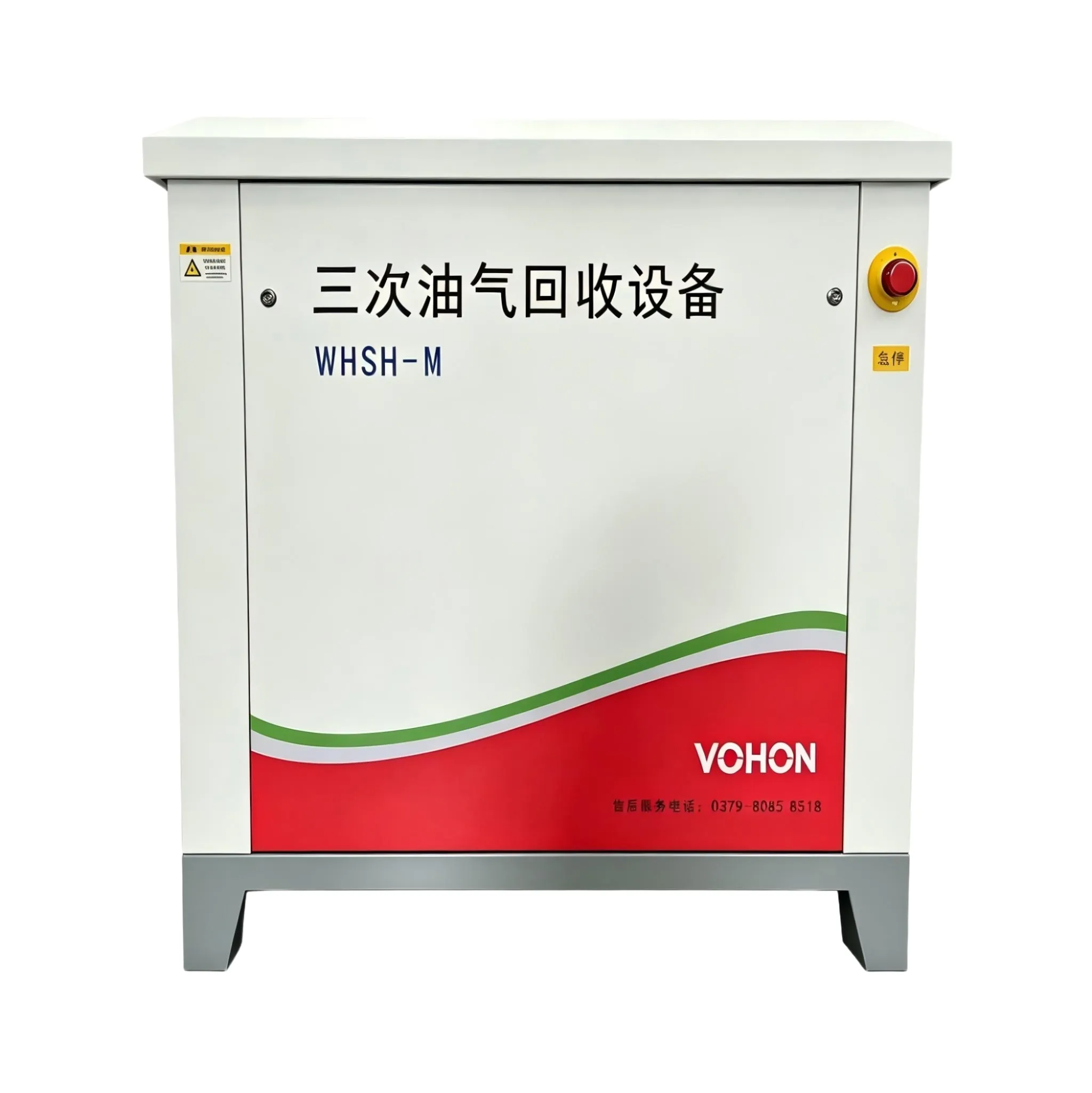
The pipeline should be drained before pressure testing: Open the low-point drains one by one to drain the accumulated liquid during the downtime, and record the amount and color of the liquid - if the amount of accumulated liquid is unusually large or the color is dark, it indicates leakage or evaporation and concentration during the downtime, and it is necessary to trace upstream. After draining, conduct an air tightness check by observing the pressure drop during shutdown and pressure maintenance. Interface leakage is most likely to be exposed in this step. The inspection of sealing components mainly involves visual inspection and hand feel. If there is hardening, cracking, or deep indentation, replace them immediately, rather than waiting for leakage to occur.
The inspection of valve components should follow the pipeline: operate the vent valve and stop valve several times each, disassemble and clean any jammed valve components, and the failure of valve components to operate properly is a common cause of abnormal gas-liquid ratio during the initial stage of re-operation.
How to arrange the test run
| inspection items | inspection method | Qualification Standard |
|---|---|---|
| Electrical insulation | Megger measurement of motor and circuit | The value meets the specified requirements |
| control parameters | Check with records before discontinuation | The set values are consistent and have not been lost |
| Security linkage | Conduct tests on emergency stops and alarms one by one | The action is reliable and free of delay |
| Fluid accumulation in the pipeline | Drain the low-point emissions one by one | The fluid discharge volume and color are normal |
| airtightness | Stop the machine, maintain pressure, and observe the pressure drop | The pressure drop is within the allowable range |
| Sealing valve components | Visual inspection, hand feeling, and action test | The action of hardening and cracking is not in place |
The principle of commissioning is to start with a small load and observe over a short period: the first time the machine is turned on, run it for about half an hour, record the temperature, pressure difference, current, and start-stop actions of each section, and compare them with the normal data before shutdown. After the first commissioning, shut down the machine and recheck the interfaces. Leakage under hot conditions is easier to see than under cold conditions. The second commissioning should be extended to a complete operation cycle, covering start-stop and alarm scenarios. If the data is stable and there are no abnormal alarms, the device can be switched to normal duty operation.
Data from the test run to be archived: The re-operation inspection records and test run data should be stored in the equipment archive as a reference for the next shutdown and re-operation.
Steps and records of reshipment
- Check the duration of downtime and downtime records to determine the depth of inspection;
- After passing the electrical insulation and appearance inspections, power on and verify the control parameters;
- Conduct item-by-item tests on the linkage between emergency stop and alarm;
- Conduct pipeline drainage, airtight pressure test, and inspect sealing elements and valves one by one;
- Conduct a half-hour test run with light load, and recheck the interface in hot state;
- After the complete cycle of trial operation, the machine is switched to normal operation, and records are archived.
Frequently Asked Questions
How long after discontinuation do I need to undergo a complete examination?
For inspections within one month, focus on sealing and electrical aspects; for inspections over one quarter, it is recommended to follow the complete process, including pipeline replacement and two rounds of testing. If the equipment is exposed to rainy seasons or high humidity during downtime, the electrical inspection should be conducted strictly.
What should I do if the gas-liquid ratio remains low after resuming operation?
First, check the valve action and pipeline sealing: After shutdown, valve jamming and slight leakage at the interface can cause the gas-liquid ratio to deviate. Check item by item according to the adjustment process. Most issues with the gas-liquid ratio in the initial stage of restart can be resolved at the valve and sealing stages.
Should we conduct the reshipment inspection ourselves or ask the service provider to do it?
For sites with short downtime, self-inspection is sufficient, and items should be checked one by one according to the checklist. For sites that have been shut down for more than a quarter or have outstanding issues with the equipment status before shutdown, it is more prudent to have the service provider conduct a re-inspection together.
This article is compiled by Luoyang Wohong Petrochemical Equipment Co., Ltd. The company provides design and manufacturing, skid-mounted customization, installation and commissioning, as well as after-sales operation and maintenance services for three-time oil and gas recovery equipment to gas stations and oil depots. If you need on-site inspection or scheme configuration, please feel free to contact us for discussion.