When a device makes an abnormal noise, it is mostly a precursor to malfunction. Sound is the most direct "language" of equipment status: bearing lack of oil, belt slipping, impeller fluid accumulation, and valve component knocking will all be revealed through sound first. The key to troubleshooting abnormal noise is to listen early and accurately: pay attention to any unusual sound as soon as it is detected, which is much less costly than waiting until the component is completely damaged before addressing it. Listening to sound does not cost anything; what is lacking is simply treating it as a regular inspection item.
What does the abnormal noise indicate
Abnormal sounds can be categorized based on their nature: periodic "buzzing" tones, often caused by changes in speed or load; "rustling" sounds of metal friction, often indicating issues with bearings or seals; intermittent "clattering" knocks, commonly heard during valve action, loose belts, or unsecured shields; and "puffing" water hammer sounds, often caused by fluid accumulation in pipelines being carried by airflow. When listening to the sound, note the operating conditions: whether it occurs within minutes of startup, at full load, or during oil unloading periods. The pattern itself can provide clues.
When conducting troubleshooting, prepare a stethoscope or a long-handled screwdriver, press it against the component casing, and listen segment by segment. This is much more accurate than listening through the air. If the ambient noise during the day is too loud to hear accurately, arrange for a quiet period during the night shift to re-listen. If the location is wrong, replacing the component will be futile.
What should be checked for abnormal noise of the fan
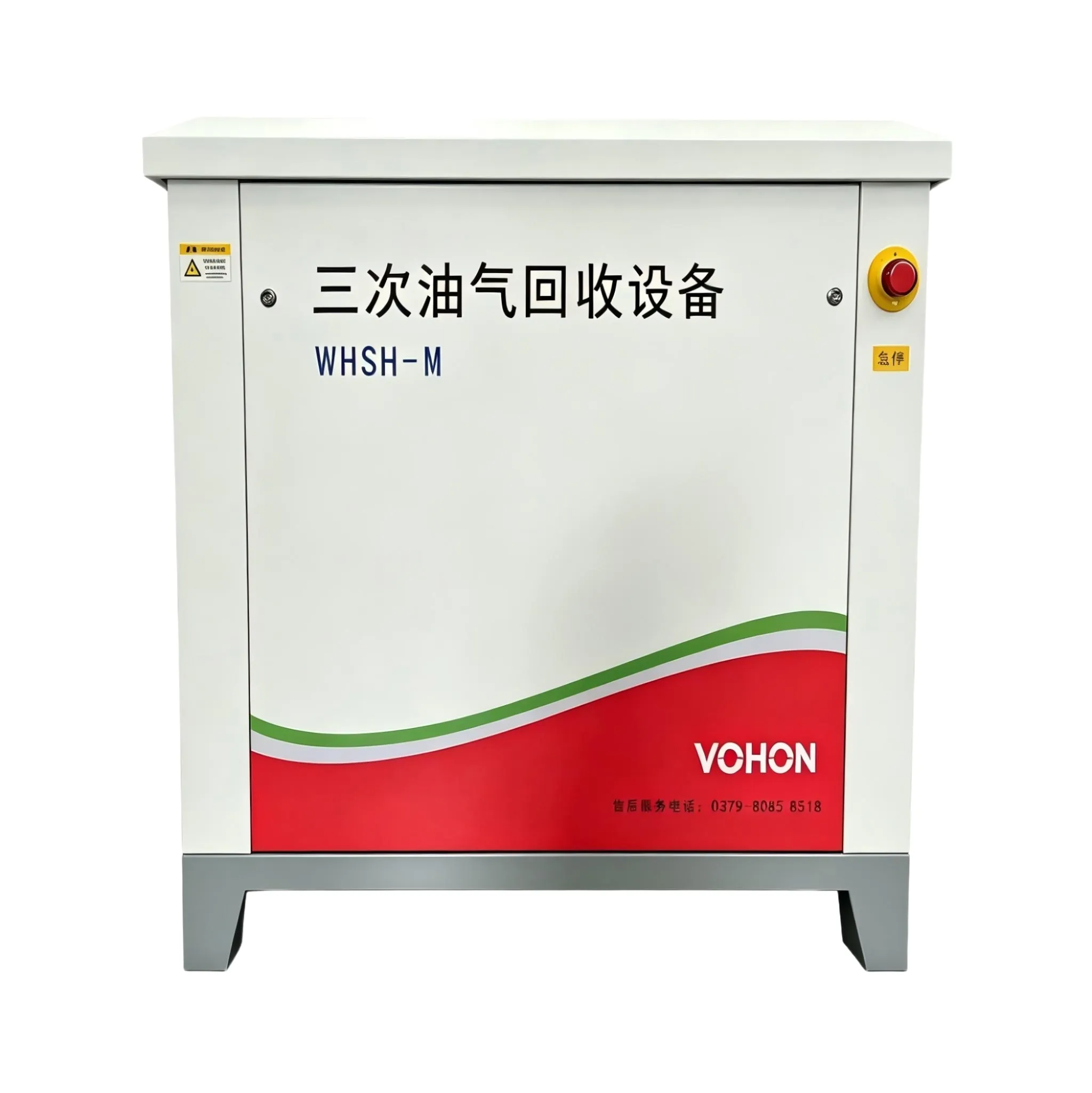
Fans are high-risk areas for abnormal noises. For belt-driven models, first check the belt: improper tension can cause slipping and generate a high-pitched screech, while uneven tension on both sides can also induce frame vibration. Adjust the tension and re-listen to confirm. Abnormal noises from bearings manifest as continuous friction sounds. Place the back of your hand near the bearing seat to feel the temperature. If the temperature rises simultaneously with the abnormal noise, it can be basically attributed to the problem. If grease replenishment is ineffective, arrange for replacement. Liquid accumulation or material hanging in the impeller can cause the rotor to become imbalanced, leading to significantly increased vibration as the speed increases, producing a "buzzing" sound. After clearing the accumulated liquid, the situation returns to normal. Foreign objects in the air duct and air leaks through the flange can also produce whistling sounds. Listen carefully to locate the source and eliminate them one by one.
What should be checked for abnormal noise of the compressor
Compressor abnormal noise should be distinguished between liquid hammer and mechanical sound: Liquid hammer is a muffled "popping" sound, often caused by liquid return, accompanied by abnormal frosting on the body. First check the gas-liquid separation and oil return pipeline; metal knocking sounds indicate valve plates, connecting rods, and bearings. Such sounds should be stopped as soon as possible, as operating with defects can turn minor repairs into major ones. If the transient noise at startup and shutdown is irregular, observe and record it first; if it persists or becomes louder, immediately arrange for a shutdown inspection. Do not use the excuse of "running it for a few more days" for mechanical sounds.
Reference for troubleshooting abnormal noises
| body part | Abnormal noise characteristics | Common causes and solutions |
|---|---|---|
| fan belt | Screaming | Slipping, adjust tension |
| fan impeller | The buzzing increases with the rotation speed | Unbalance, remove accumulated fluid and hanging material |
| Fan bearing | Sandy friction sound | If it is short of oil or damaged, replenish grease or replace it |
| Compressor | "Puff, puff, muffled sound" | Liquid hammer return, check the gas separator and return oil |
| Compressor | Metal striking | Valve plate linkage bearing, shut down as soon as possible |
| Pipeline valve components | The sound of whistles and clattering | Loose foreign objects due to air leakage, tighten and eliminate |
Steps of investigation
- Record the abnormal noise immediately upon discovery, specifying the time period and operating conditions;
- Locate by parts: auscultate the fan, compressor, pipeline, and valve components segment by segment;
- When comparing temperature and vibration, priority should be given to inspecting areas where abnormal noise and vibration increase in synchronization;
- Stop the machine to inspect the responsible component, replace or tighten it, and then verify the machine after restoration;
- Record the handling results in the ledger, and compare the records when similar abnormal noises occur again;
- During weekly inspections, actively listen to the sound and address any abnormal noises before they escalate.
Frequently Asked Questions
The abnormal noise is minor. Can we continue to operate it and observe the situation?
The nature of the sound should be considered. Slight airflow sounds and occasional knocks can be observed and recorded for a short period of time; however, metal friction sounds, continuous liquid impact sounds, and increasingly louder knocks must be addressed by shutting down the machine as soon as possible. The cost of continuing with such sounds far outweighs the loss of shutting down the machine for inspection in advance.
What should I do if I can't hear accurately due to loud environmental noise during the day?
Use a stethoscope or a long-handled screwdriver to listen to the component, or arrange a quiet period during the night shift for re-listening. Locating the abnormal noise does not rely on guesswork. If the listening is not accurate, change the time period or tool and listen again. Changing components due to incorrect location is futile.
What should I do if the sound is still not right after replacing the bearing?
Check the bearing model and installation quality, and recheck the alignment of the coupling and belt tension. If the abnormal noise persists after replacing the parts, the problem is most likely in the assembly process or related components. Pull up the previous replacement records and compare them item by item.
This article is compiled by Luoyang Wohong Petrochemical Equipment Co., Ltd. The company provides design and manufacturing, skid-mounted customization, installation and commissioning, as well as after-sales operation and maintenance services for three-time oil and gas recovery equipment to gas stations and oil depots. If you need on-site inspection or scheme configuration, please feel free to contact us for discussion.