Device malfunctions are rarely sudden: sounds change first, temperatures deviate first, and pressure differences increase first, leaving clear traces. Daily inspections are to pick up these early traces, exchanging the cost of ten minutes a day for avoiding downtime that can easily last for days. The value of inspections lies not in the number of projects, but in the regularity: fixed routes, fixed projects, and fixed record formats, done in the same order every day, making anomalies easier to detect.
What items should be inspected
The inspection items revolve around four actions: listening, observing, smelling, and recording. Listen to the operational sounds. If the sounds of fans and compressors suddenly become rough or shrill, it is likely that the bearings or belts are giving an alarm. Observe the instruments. Compare the readings of exhaust temperature, pressure difference, and liquid level day by day. Any deviation from the usual range is a signal. Observe for leaks and drips. Check the interfaces, valves, and sight glasses for any oil stains or liquid accumulation. Smell the air. If there is an obvious odor of oil and gas in the station without any reason, the first reaction should be to check the sealing of the recovery system. The alarm records on the control panel are also included in the scope of inspection. Resetting the alarm does not mean that the cause has been resolved. Check the handling status item by item.
Let's briefly check the electrical part: whether the junction box door is tightly closed, whether there is any abnormal smell in the control cabinet, and whether the grounding connection is intact. These items don't take much time, but they can prevent most electrical hazards.
How to arrange the inspection frequency
The basic inspection is conducted once a day, taking about ten minutes to complete; during the oil unloading operation period, an additional inspection is conducted, focusing on the operation of the oil unloading return gas and primary recovery connections; a deep inspection is conducted once a week, including hands-on projects such as valve action, seal appearance, and grounding wire connection; the inspection records and operational data are reviewed together monthly. The frequency is not static: in seasons and components prone to malfunctions, the granularity of inspection is increased. In summer, the temperature and condensation pressure of the unit are monitored, while in winter, heat tracing and condensate are observed. During the rainy season, additional inspections are conducted on electrical boxes for moisture.
How to take notes effectively
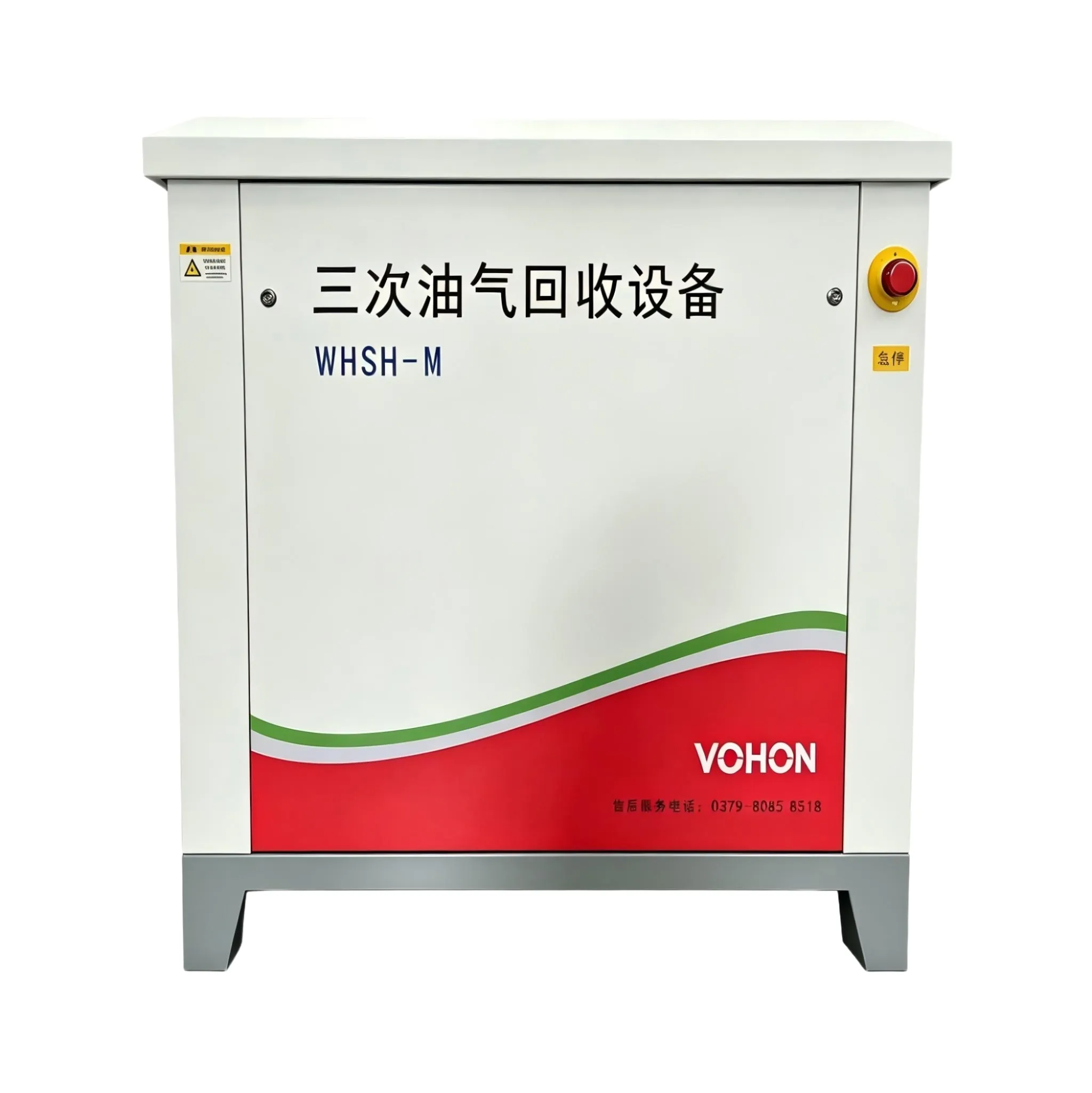
Inspection records are not just about checking off boxes. They require recording numerical values: temperature, pressure difference, and liquid level should be recorded daily. Looking back after three weeks, trends are much more useful than single point values - slow variables such as gradual increases in pressure difference and temperature can only be seen through continuous recording. Abnormal items should be closed-looped: there should be traces of the four steps: discovery, reporting, handling, and review. Simply writing "normal" on an inspection form is equivalent to no inspection at all. The record format should be fixed so that even if someone else takes over, they can still follow the same standards.
Reference for inspection arrangement
| Inspection level | frequency | key points |
|---|---|---|
| Basic inspection | once daily | Sound and instrument leakage alarm record |
| Unload oil and conduct patrol | Oil unloading period | Return air interface and primary recovery action |
| Deep Inspection | once a week | Manual inspection of valve sealing and grounding |
| Data Review | once a month | Compare recorded data with operational data |
| Seasonal encryption | Adjust according to the season | Warm summers, mild winters, accompanied by hot rainy seasons to prevent moisture |
| Electrical items | Daily incidental | Abnormal smell from the door and grounding connection |
The execution steps of inspection
- Walk through all the measuring points along a fixed route, keeping the order unchanged;
- Record the temperature, pressure difference, and liquid level values item by item, and do not check off based on impression;
- Check the interface, valve components, and sight glass for any leakage and liquid accumulation;
- Check the alarm records on the control panel and verify the handling status of each alarm;
- Anomalies are marked on the spot, reported according to the process, and tracked for closure;
- Conduct additional valve component operations and seal inspections weekly, and review data trends monthly.
Frequently Asked Questions
During the inspection, we found some minor leaks. Can we note them down and address them together next time?
Leaks in sealing components will only worsen over time, posing safety risks due to the leakage of oil and gas. Minor leaks should be promptly fixed on the spot or addressed on the same day, without any further delay. If downtime is indeed necessary for repairs, temporary protective measures should be taken and observation intervals should be shortened.
Can the inspection be handed over to the fuel dispensers to do conveniently?
The basic items are acceptable, but a checklist should be provided and training should be conducted. Numerical records cannot be omitted. In-depth inspections involve judging the action and sealing of valve components, so they should be carried out by personnel who understand the equipment. The two types of inspections should be listed separately to clarify responsibilities.
How long should inspection records be kept for?
They shall be kept for the same duration as the equipment archives. Inspection records serve as the basis for fault tracing and maintenance decisions, and also serve as evidence of the equipment's health status during second-hand equipment transactions. Both electronic records and paper signed copies shall be retained.
This article is compiled by Luoyang Wohong Petrochemical Equipment Co., Ltd. The company provides design and manufacturing, skid-mounted customization, installation and commissioning, as well as after-sales operation and maintenance services for three-time oil and gas recovery equipment to gas stations and oil depots. If you need on-site inspection or scheme configuration, please feel free to contact us for discussion.