The effectiveness of equipment depends half on the equipment itself and half on the people using it. If the operation training is done properly, the startup and shutdown, inspection, and emergency response of the device will be well-organized; if the training is just a formality, no matter how beautifully printed the procedures are, they will just be decorations on the wall. The goal of training is clear: to enable operators to independently complete daily operations, correctly judge abnormalities, know who to report to when there is an abnormality, and what to do first after reporting. With a clear goal, the content and assessment of training will not deviate.
What does the training content include
The training content is divided into three levels based on the depth of application: the operational level covers start-stop sequences, daily inspections, coordination actions during oil unloading periods, and record filling; the judgment level covers interpretation of common instrument readings, differentiation between normal ranges and abnormal signals, resetting of simple faults, and reporting boundaries; the emergency level covers alarm actions, emergency shutdown procedures, and early handling of oil and gas leaks. The depth of these three levels progresses in turn. Frontline operators must pass the first two levels, while station managers and safety administrators must cover all three levels. Regular drills are also required for the emergency level.
How to organize training
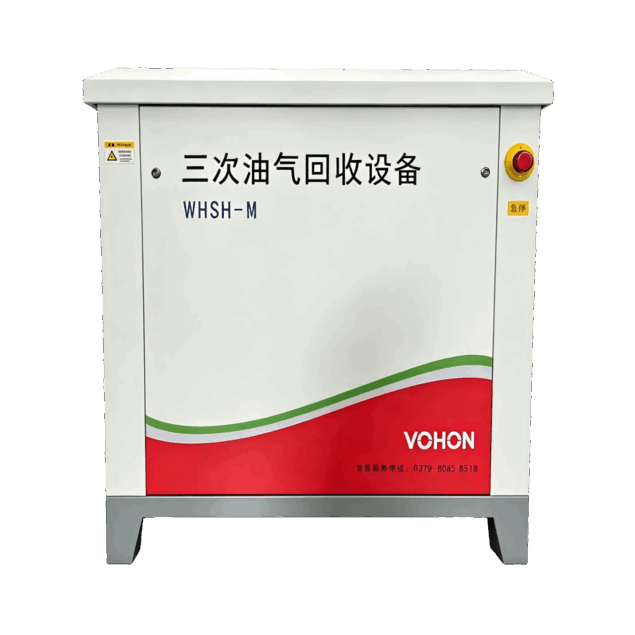
The training method primarily focuses on on-site practical operations, supplemented by classroom lectures: explaining once in front of the equipment, demonstrating once, and allowing trainees to practice once. This approach is more effective than lecturing ten times from courseware. Upon the delivery of new stations, centralized training is arranged, conducted in stages according to the progress of commissioning - the commissioning period is a good teaching window, where every action of the device can be explained with the actual equipment, practiced immediately after explanation, and memorized after practice. After personnel changes, supplementary training is arranged, focusing on the essential items for the position and completed within half a day. Training materials follow the equipment: operation key points cards, sample inspection forms, and abnormality comparison tables are laminated and hung next to the equipment, easily accessible.
How is the assessment arranged
Assessment is not about overwhelming people, but about confirming their ability to "work independently and take on responsibilities". The assessment consists of two parts: oral examination and practical operation. The practical operation items are fixed - complete a start-stop sequence, point out five key inspection points, and demonstrate an emergency shutdown. The passing criteria are clearly stated: complete independently, follow the correct sequence of actions, and ensure no omissions. Those who fail will be arranged for a transition period of mentoring and a re-examination within a specified time limit. The assessment results will be recorded in the training file and linked to job placement arrangements. The file will be transferred with the personnel when they are transferred. The assessment items are based on the job list, and the examination is conducted in the same way as daily use, without testing biased topics. It also serves as an opportunity to review the operational actions once again.
Training content reference
| Training Hierarchy | object-oriented | Core content |
|---|---|---|
| Operational layer | Daily operators | Fill in the start-stop inspection record |
| Judgment layer | Operation and team leader | Reporting of abnormal readings interpretation |
| Emergency layer | Station Master and Safety Officer | Alarm handling and emergency shutdown |
| Training method | Focus on on-site practical operation | Demonstrate and practice on the equipment before use |
| Assessment Method | Practical operation plus oral examination | Independent completion of fixed projects |
| Archives Management | Training assessment record-keeping | Archive with personnel position |
Steps for organizing training
- List training requirements by position, specifying the essential skills and knowledge each position must master;
- During the debugging period, we will provide centralized training, combining hands-on demonstrations with practical exercises on the equipment;
- Distribute key point cards and comparison tables, and post them near the equipment for easy reference;
- After the training, an assessment will be arranged, combining practical operation and oral examination to determine whether the trainees are qualified for the position;
- Those who fail will be given a transition period for re-examination, and the assessment results will be included in their training records;
- In case of personnel changes, supplementary training will be arranged, and refresher training will be organized once a year.
Frequently Asked Questions
The gas station is short-staffed, can we compress the training?
The content should be focused and not omitted. Reduce the checklist to the essential items for the position, and concentrate on completing the training and assessment in half a day. This approach is more effective than spreading it out into several fragmented sessions. Omitting the assessment step is the biggest risk, as it's uncertain whether they will be able to take on the position without confirmation, and any mishap will come at a high cost.
What should we do if the operators change frequently?
The training materials should be made into "user-friendly" bullet point cards and process cards, which should be handed over during shift changes; the supplementary training process should be solidified, and new employees should complete training and assessment within one week of their arrival. The more user-friendly the materials are, the less impact there will be from personnel turnover.
What is the relationship between the manufacturer's training and our own training?
Manufacturer training addresses "how to use this equipment", while on-site training addresses "how to manage this station". The two are not mutually substitutable. It is recommended that manufacturers record videos during centralized training for archiving, which can be reviewed repeatedly after personnel changes, reducing the cost of supplementary training.
This article is compiled by Luoyang Wohong Petrochemical Equipment Co., Ltd. The company provides design and manufacturing, skid-mounted customization, installation and commissioning, as well as after-sales operation and maintenance services for three-time oil and gas recovery equipment to gas stations and oil depots. If you need on-site inspection or scheme configuration, please feel free to contact us for discussion.