After the equipment is delivered, the service does not end. Operational follow-ups are an extension of the delivered service: the first few months after the device is put into operation are a high-risk period, as operational habits have not been established and data trends have not been clarified. Many minor issues emerge during this stage. If follow-ups are conducted frequently and thoroughly, minor issues can be addressed at their inception; if not, minor issues can escalate into major ones, compromising the user's operational experience. The value of follow-ups lies not in the frequency, but in the content, conclusions, and closed loops achieved in each instance.
When is the follow-up visit scheduled for
The follow-up visits are arranged in stages: the first follow-up visit is conducted two weeks after the handover, focusing on whether the operational actions have deviated and whether the records have been filled in according to the items; the second follow-up visit is conducted one month after the handover, to check the trend of operational data and the handling of the remaining items from the first follow-up visit; thereafter, follow-up visits are conducted quarterly, and after one year, they are shifted to a combination of on-demand follow-up visits and annual reviews. During seasonal transitions, the schedule is intensified - there are significant differences in operating conditions between winter and summer, with changes in condensate volume, frosting conditions, and energy consumption levels. Seasonal follow-up visits can identify adaptability issues in advance and prevent seasonal failures before they occur.
What should we look for during the follow-up visit
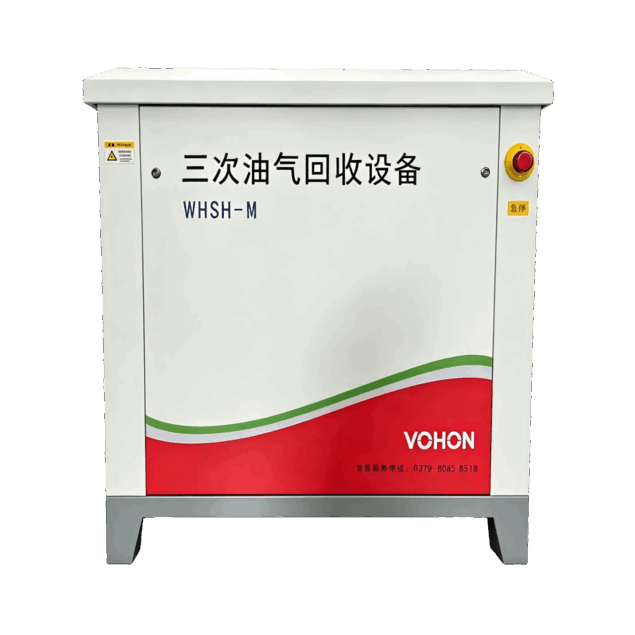
The follow-up visit content is divided into three parts: data part - retrieve operation records, observe the trends of start-stop times, recovered liquid volume, and energy consumption, and compare them with the baseline data at the time of handover; on-site part - listen to sounds, inspect seals, and check discharge outlets, going through all parts that are easy to miss during routine inspections; personnel part - understand the confusion during operation and collect suggestions for improvement. All three parts should be covered in one follow-up visit, which is usually completed within half a day without affecting normal business operations. Before the follow-up visit, prepare a list of records to be reviewed, and follow the list when on site.
How to close the loop of the problem
Problems identified during follow-up visits are handled according to their severity levels: those that can be addressed on the spot are dealt with immediately, such as seal replacement and parameter setting verification; for those requiring spare parts or downtime windows, a handling time is agreed upon and tracked until completion; for those related to operational habits, on-site training is provided to correct them. A tracking record is established for each issue: including a description of the problem, responsible person, agreed time, completion status, and verification results. The next follow-up visit begins with checking the previous closed-loop status. Simply raising issues without closing the loop makes the follow-up visit a mere formality, and user trust cannot be established.
Reference for follow-up visit content
| Follow-up stage | Schedule | key points |
|---|---|---|
| First follow-up visit | Two weeks after the handover | Operation action and record inspection |
| Second follow-up visit | One month after the handover | Data trends and legacy items |
| Quarterly follow-up visit | quarterly | Trend comparison and on-site verification |
| Seasonal follow-up visit | The seasons alternate between winter and summer | Operational adaptability issue |
| Year in Review | once a year | Annual data and areas for improvement |
| Follow-up visit on demand | "At any time during an abnormal situation" | Special issue investigation |
Follow-up visits are also bidirectional: the experience and suggestions accumulated by users during operation are fed back to the design and manufacturing processes through follow-up visits, and a considerable part of product iteration comes from on-site follow-up visits. Organizing follow-up visit records into case studies also serves as a vivid teaching material for subsequent user training, which is more persuasive than empty lecture slides.
Steps for organizing follow-up visits
- Arrange the follow-up plan according to the delivery ledger, with the first follow-up visit two weeks after handover;
- Each follow-up visit covers three aspects: data, on-site inspection, and personnel;
- The problems are handled in a hierarchical manner, with on-site handling and deadline handling being separated;
- Establish tracking records for each issue, assigning specific individuals and timelines;
- During the next follow-up visit, first verify the status of the closed-loop issues from the previous visit;
- Summarize the annual follow-up data, assess operational trends and identify areas for improvement.
Frequently Asked Questions
If users have questions, they can always contact us. Why do we need to conduct regular follow-ups?
User repair reports address issues that have already broken down, while follow-up visits identify problems that are not yet broken but are close to becoming so. The handling costs and impacts of the two are significantly different. Regular follow-up visits shift from reactive repair to proactive maintenance, saving on downtime losses.
Who handles the issues found during the follow-up visit?
Streamlining based on nature: Equipment issues are handled by the service provider, operational and record-keeping issues are corrected through cooperation between both parties, and coordination with third parties (such as civil engineering and power distribution) is facilitated. The streamlining is clarified on the spot during the follow-up visit to avoid future disputes.
The old station equipment lacks a follow-up mechanism. Can it still be improved?
可以。从设备状态评估入手做一次补课式回访,把基线数据补建起来,之后按季度走常态回访。晚开始的回访也比不开始强。
This article is compiled by Luoyang Wohong Petrochemical Equipment Co., Ltd. The company provides design and manufacturing, skid-mounted customization, installation and commissioning, as well as after-sales operation and maintenance services for three-time oil and gas recovery equipment to gas stations and oil depots. If you need on-site inspection or scheme configuration, please feel free to contact us for discussion.