The operating conditions of the membrane separation oil and gas recovery device are a mixture of intermittent and continuous: during peak oil unloading and refueling periods, the gas volume surges, while during off-peak periods, it tends to be calm. It is impossible to keep track of everything by manually monitoring the meters. The automatic control system is the nerve of the device - it collects, judges, and executes all tasks. A properly configured device can operate stably without human supervision, while a poorly configured device requires frequent manual resetting. This article clarifies several aspects of automatic control configuration - linkage logic, instrument configuration, alarm interlocking, and remote monitoring, based on the division of labor in the design phase. Both new construction and renovation projects can be checked against these aspects.
How to determine the linkage logic
The core of the linkage is to enable the device to follow the gas volume: collecting pressure or concentration signals from the main pipe to trigger the start and stop of the device - when the operation starts and the gas volume increases, the device automatically engages when the pressure reaches the set value; during low-demand periods when the gas volume decreases, the device reduces its load or enters standby mode. The switching of membrane units, the start and stop of vacuum pumps, and the adjustment of condensation temperature levels are all linked on the same logical chain. Any sequence errors will result in wasted energy or pressure buildup. The logic is verified one by one during the commissioning stage: simulating various combinations of operating conditions, confirming the sequence of actions and delay parameters item by item, archiving the verification records, and using this as a benchmark for subsequent modifications.
How to configure the instruments
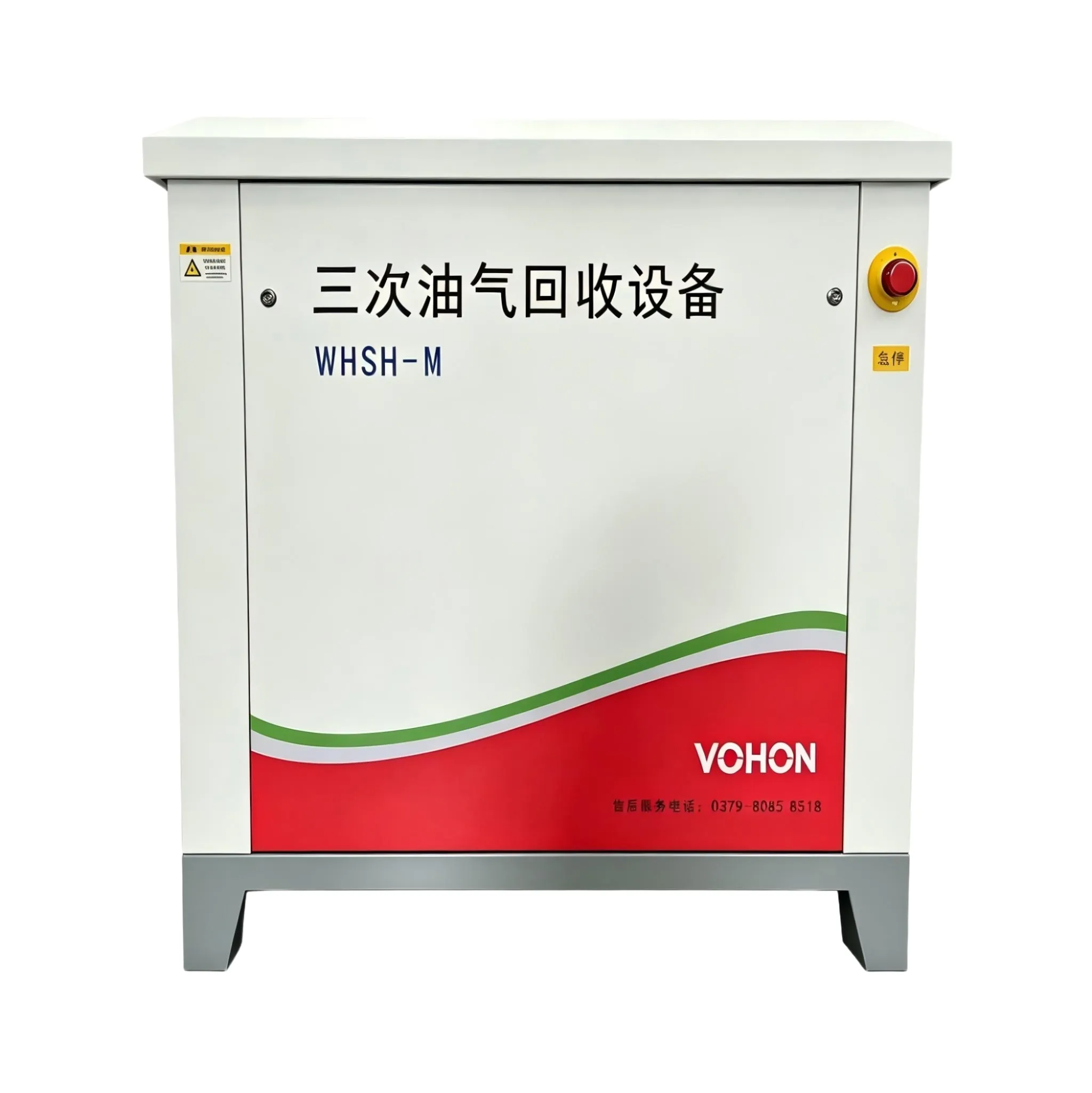
Instruments are the eyes of automation, and their configuration should be meticulous and key: membrane pressure difference, inlet and outlet pressure, vacuum degree, and emission concentration are essential, while temperature and liquid level are supplemented according to process points. Instrument selection should consider both range and accuracy - the range should have a margin based on the upper limit of operating conditions, and accuracy should meet the judgment requirements, as high accuracy only increases costs. The installation location should avoid vibration and impact, with pressure taps being short and straight to reduce blockage. The calibration cycle of instruments should be included in the ledger, and drifting instruments should be isolated before being handled. Operating instruments with defects can lead to incorrect judgments by automation, which is even more troublesome than having no instruments at all.
How to set up alarm and interlock
Alarm level settings: The prompt level indicates deviations in operating conditions, requiring operators to make adjustments according to procedures. The alarm level requires a deadline for resolution and escalates if not met. The interlock level triggers immediate action - stopping the membrane section if the pressure difference exceeds limits, stopping the pump if the liquid level exceeds limits, and switching to the bypass if the concentration is abnormal. The setpoints for interlocking must be validated rather than determined arbitrarily: too sensitive setpoints may cause frequent false activations, while too insensitive setpoints may fail to provide protection. After each interlock action, the triggering reason and resolution result should be recorded. An abnormal increase in the frequency of actions is a signal of device degradation, requiring a special inspection to be arranged.
How to establish remote monitoring
Remote monitoring transfers device data to managers' mobile phones and computers: real-time push notifications of operating status, key parameters, and alarm information, with historical curves traceable. Owners with multiple sites can centrally view the operating status of devices at each site through the platform, enabling early detection and dispatch of maintenance orders for anomalies, significantly improving operation and maintenance efficiency. Data access should pay attention to boundaries: security data and business data should be managed on separate networks, with remote read-only access preferred, and control permissions retained on-site to prevent network risks. When selecting a platform, consider compatibility with local regulatory networking, ensuring one-time construction benefits both parties.
There is another aspect of automatic control configuration that is often underestimated: personnel training. No matter how intelligent the automatic control system is, if the operators cannot understand the interface and respond appropriately to different alarm levels, the system will degenerate into a mere decoration. Delivering thorough training on the meaning of the interface, alarm levels, and response actions, and requiring operators to pass an assessment before they can take up their posts, yields a much higher return on investment than simply adding a few more instruments.
Self-control configuration reference
| level | Configuration highlights | Remarks |
|---|---|---|
| signal acquisition | Pressure difference, vacuum, and concentration must be matched | Leave a margin in the measurement range |
| Interlock Logic | Verification of switching sequence based on gas volume | Record archiving as a benchmark |
| Instrument selection | Sufficient and critical points | Verify the cycle and enter it into the ledger |
| Alarm classification | Level 3 warning and interlock system | The constant value has been verified |
| Interlocking action | Pressure difference, liquid level, and concentration trigger | Action record review |
| remote monitoring | Status parameter alarm push | Remote read-only priority |
Operational management checklist
- Record key parameters daily and compare the deviations with the set values;
- The switching actions of the linkage logic are reviewed weekly, and any abnormal sequence is investigated immediately;
- Instrument calibration is performed periodically, and drift instruments are isolated first;
- Record interlocking actions sequentially, and arrange special inspections for abnormal frequencies;
- Decentralized management of remote platform accounts, with passwords changed quarterly;
- The operator graded response training covers all shifts.
Frequently Asked Questions
Can the device still operate if the automatic control system fails?
The key interlocking and manual operation circuits retain the capability for hard manual operation, allowing the device to degrade to manual operation in case of automatic control failure. During the failure period, specially-assigned personnel are arranged to be on duty, and no unattended periods are allowed before the repair is completed.
Can the old device be retrofitted with automatic control and remote monitoring capabilities?
Yes, we can. The installation process consists of three steps: supplementing the instruments, connecting the data collectors, and conducting platform joint debugging. The construction should be arranged during the low peak period. For old instruments with insufficient accuracy, replace the key points first, without having to completely overhaul the entire system.
Will remote monitoring bring security risks?
Data segmentation and permission hierarchy are the main defense lines: remote read-only access is prioritized, control instructions are not delegated to remote locations, platform accounts are subject to real-name authentication and decentralization, and login and operation logs are retained for future reference.
This article is compiled by Luoyang Wohong Petrochemical Equipment Co., Ltd. The company provides design and manufacturing, skid-mounted customization, installation and commissioning, as well as after-sales operation and maintenance services for three-time oil and gas recovery equipment to gas stations and oil depots. If you need on-site inspection or scheme configuration, please feel free to contact us for discussion.