Many station managers treat the oil and gas recovery system as an independent environmental protection device, with safety inspections focusing on safety and oil and gas inspections focusing on oil and gas, with each line checking independently. In fact, the tertiary oil and gas recovery system is interconnected with multiple safety facilities within the station: the anti-overflow system for oil unloading, emergency shut-off in case of accidents, and anti-static grounding status all directly affect whether and how the recovery system can be started and stopped. Only by clarifying the interconnection relationship can daily inspections pinpoint the key points; merely inspecting the equipment itself will miss the most critical links that are most critical when problems occur. This article outlines common interconnection parts and inspection points.
Which safety facilities are linked with the recycling system
The first aspect concerns the anti-overflow linkage in the oil unloading process. Oil unloading, oil vapor recovery, and liquid level monitoring are two actions within the same operational chain: when the oil tank liquid level approaches the set value, the oil receiving operation should be stopped, and the recovery pipeline should be shut down accordingly. If the anti-overflow monitoring is ineffective, oil spillage and oil vapor leakage often occur together. The second aspect involves the emergency shut-off linkage. In case of an accident, pressing the emergency shut-off button should result in the simultaneous shutdown of the refueling, unloading, and recovery pumps, avoiding the misalignment situation where oil is still being dispensed and the recovery vacuum pump is still operating. The third aspect pertains to lightning and static electricity protection through grounding. When the grounding status is not qualified, oil unloading operations should not be carried out, and recovery operations should also be stopped - the risk of static electricity does not disappear just because a recovery system is installed when oil vapor flows through the pipeline.
The common logic of these three interconnected aspects is: the recycling system follows the operation, and the operation follows the safety conditions. If the safety conditions are not met, it is meaningless for the recycling system to operate independently, and it may even exacerbate hidden dangers.
Five steps of linkage inspection
- Check anti-overflow monitoring: Confirm that the liquid level monitoring is effective before unloading oil, and perform a simulated high liquid level alarm to see if the alarm and shutdown actions are normal;
- Check emergency shut-off: Press the emergency shut-off button periodically for actual testing to confirm that the fuel dispenser, unloading pump, and recovery pump stop simultaneously;
- Check electrostatic grounding: Measure the grounding resistance before unloading oil and keep records. Ensure the contact surface of the grounding clamp is clean, and promptly address any rust found;
- Check the linkage logic: verify the correspondence between the start and stop of the recovery pump and the refueling and unloading operations, ensuring no cross-misalignment occurs;
- Closed-loop record checking: The results of each linkage test are recorded in the ledger. If any malfunctioning item is found, a stop sign will be hung on the same day and maintenance will be arranged.
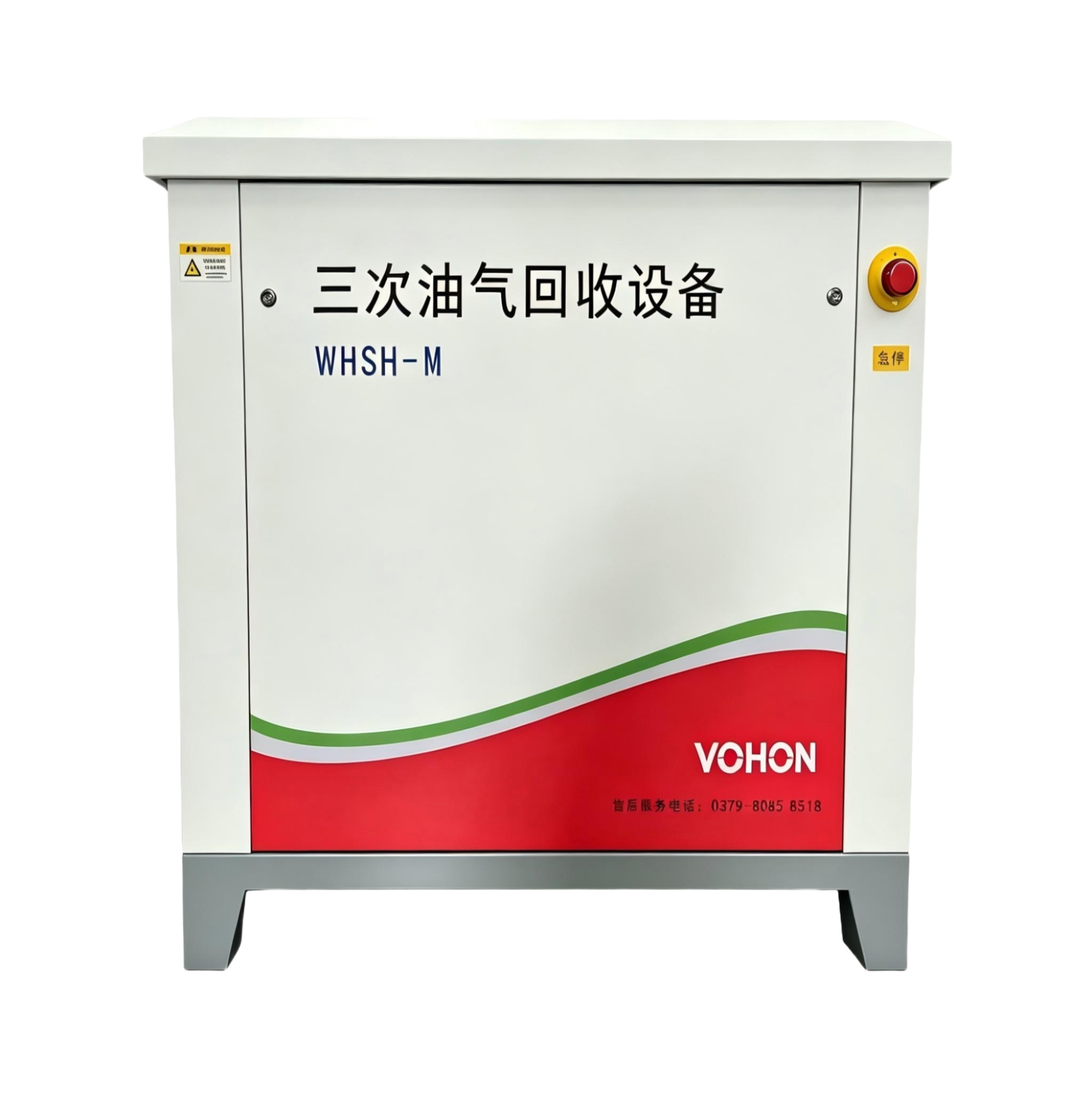
| Linkage part | Relationship with the recycling system | Checkpoints |
|---|---|---|
| Oil unloading and spill prevention monitoring | Stop collecting when the liquid level reaches the set value, and stop recycling accordingly | During the simulated alarm test, the alarm and stop-receiving actions functioned normally |
| Emergency cut-off button | Synchronized stop of refueling, defueling, and recovery during accident conditions | Conduct actual measurements periodically to confirm there is no misalignment or downtime |
| Anti-static grounding | If the grounding is not qualified, both oil unloading and recovery shall be stopped | Record the resistance measured before oil unloading, and ensure the contact surface is clean |
| Recirculation pump start-stop logic | Follow the start and stop of the operation permit | Check the correspondence between start and stop to prevent cross-misplacement |
| Test Record | The effectiveness of linkage is proven by records | Record the results in the ledger and suspend the use of the equipment on the day of malfunction |
The practice of integrating linkage inspection into daily management
The linkage inspection does not require a separate system, and it is most efficient to integrate it into the existing daily inspection and oil unloading process: add a confirmation of grounding and spill prevention to the routine confirmation before oil unloading, add an emergency shut-off test to the weekly inspection, and summarize and review the three linkage records monthly. The inspectors do not have to be specially assigned personnel - the front-line team leaders and metering personnel can perform the inspection after disclosure. The key is to put "whether it has been tested and what the test results are" on paper, so that the effectiveness of the linkage is not just a verbal promise. During installation, commissioning, and annual inspection, equipment manufacturers should also list the linkage function as a mandatory test item and provide test records to the station.
Frequently Asked Questions
How often is it appropriate to test the emergency shut-off?
In conjunction with the station's emergency response plan drill schedule, a practical test once a month is usually sufficient. The test is scheduled during the period when no vehicles are refueling, and the status is restored and recorded after the test. Any malfunctions such as button failures or asynchronous shutdowns are addressed on the same day, and the equipment is not operated with defects.
After installing oil and gas recovery system, do we still need to test the electrostatic grounding?
It is necessary to conduct testing. When oil and gas flow in a closed pipeline, the risk of electrostatic accumulation does not disappear. The quick connection of the oil unloading port and the flange jumper of the pipeline both rely on effective grounding. The recovery system and grounding inspection are parallel requirements, not substitutable.
Should the linkage inspection be conducted by the station or the manufacturer?
The daily confirmation tasks are carried out by the station side, while the in-depth testing of pump and valve logic can be conducted in conjunction with manufacturer inspections. Only when the responsibilities of both parties are clearly delineated and records are interconnected can the reliability of the linkage be ensured.
This article is compiled by Luoyang Wohong Petrochemical Equipment Co., Ltd. The company provides design and manufacturing, skid-mounted customization, installation and commissioning, as well as after-sales operation and maintenance services for three-time oil and gas recovery equipment to gas stations and oil depots. If you need on-site inspection or scheme configuration, please feel free to contact us for discussion.