Do gas stations have to install three times of vapor recovery equipment? Straight answer: It depends on the local environmental protection regulatory standards. In most regions, clear requirements have been put forward for gasoline stations, and new stations are generally required to be fully equipped during the design stage. The implementation of rectification notices and local deadlines should be followed during operation. To determine whether your station needs to install such equipment, focus on three points: First, look at the oil products. Gasoline stations are under key management, while diesel stations are relatively less stringent. Second, consider the location and scale. Priority is given to key areas and large stations. Third, look at the local implementation standards and directories. The interpretation of the local ecological environment department shall prevail. This article clarifies "which stations need to install, under what circumstances can it be delayed, what to do before installation, and what will happen if it is not installed".
Which stations usually require installation
Based on the standards that have been implemented in various regions, several types of stations are essentially unavoidable: stations with a certain scale of annual gasoline sales, stations located in key areas, and newly renovated or expanded gasoline stations. These stations share a common characteristic of high emissions of oil and gas or high environmental sensitivity, and thus have high regulatory priority. The pressure on diesel stations regarding oil and gas emissions is relatively low, and in most regions, it has not yet been mandatory. However, stations that blend ethanol gasoline must be managed according to the gasoline standards. Don't assume that just because you are adding diesel, it has nothing to do with this system.
What circumstances can lead to a deferral or application for exemption
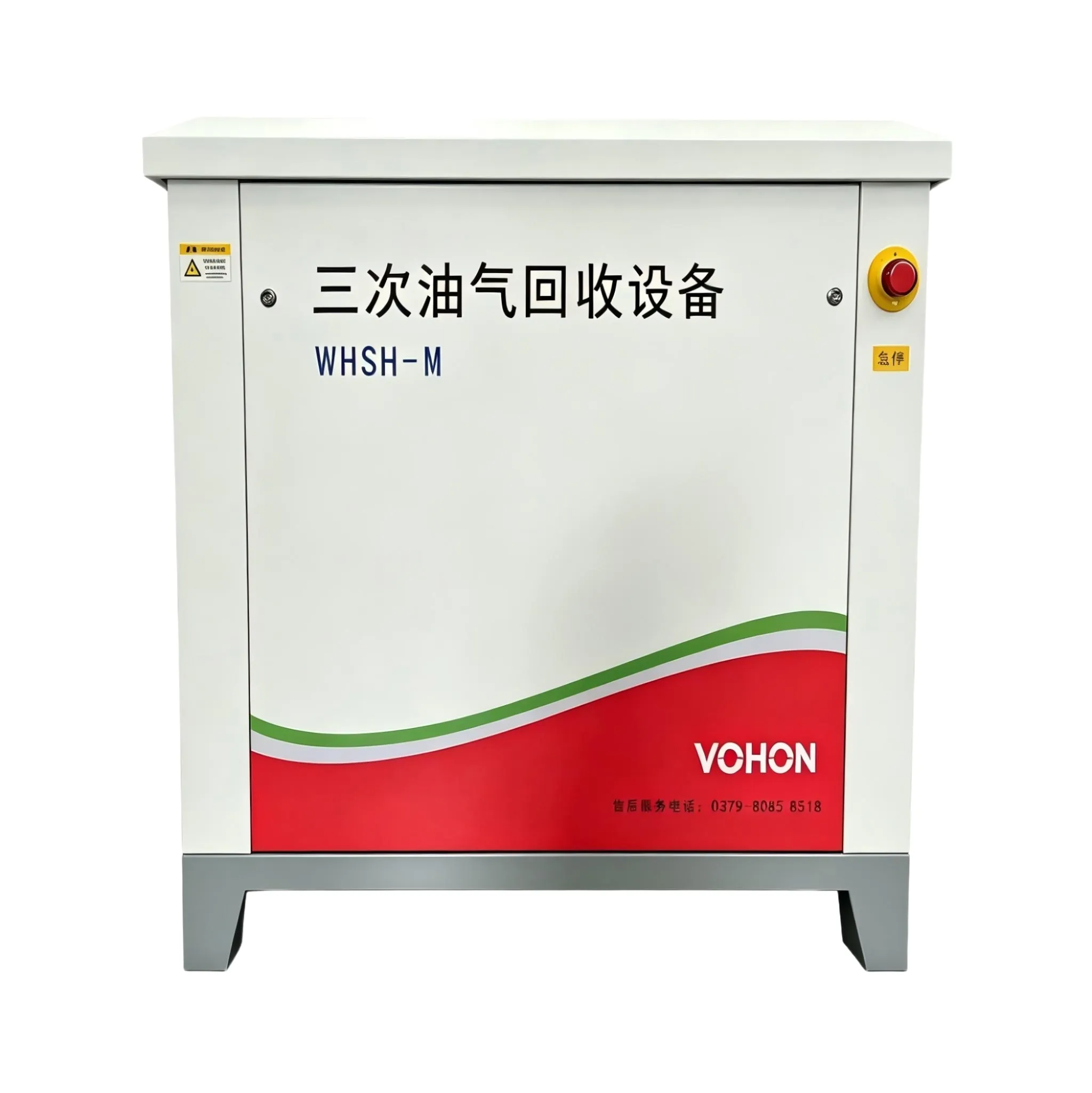
There are several common situations that may warrant a delay: if a site has been included in a demolition or relocation plan, an application for a transition period can be made based on planning documents; if the site conditions truly make it impossible to arrange, an alternative treatment plan must be submitted for demonstration; small stations with emissions below the threshold of the local catalogue are managed according to the exemption list. Note that "delay" does not mean "not installing". The transition period usually has a clear time limit, and it must still be implemented upon expiration; the key to whether the alternative plan can be recognized lies in the verifiability of the emission effect, rather than verbal commitment.
What should I prepare before installation
Before the equipment arrives at the station, several things need to be confirmed: check the direction of the breathing pipeline and the size of the interface, confirm the installation position of the device and the explosion-proof spacing; check the power capacity and grounding conditions; sort out the oil delivery volume and operation time periods in the past year as the basis for model selection; agree on the inspection time with the supplier, and reserve the positions of the discharge and sampling ports according to the specifications. The renovation station also needs to assess the business impact during the construction period, arrange peak-shift for oil unloading and refueling operations, and minimize the impact on operations.
The cost of not installing or installing but not running
In environmental inspections, exceeding emission concentration limits and direct discharge through breather valves are frequent reasons for penalties. Besides fines, there are also requirements for rectification and retesting within a specified timeframe. Stations that repeatedly fail to meet standards will be included on a key supervision list. The more practical costs are in operation: oil and gas emissions are daily oil leaks, which accumulate over time and amount to a significant sum; while the main operating costs of the device are electricity and consumables, the value of the recovered oil at most stations can cover these costs. Installing the device without operating it also constitutes a failure to implement control measures, and will be treated as if it has not been installed during inspections - this is a delicate matter, don't wait for a penalty notice to arrive before addressing it.
Common station type requirements reference
| Station type | Usually required | Explanation |
|---|---|---|
| Newly built gas station | Fully equipped in the design phase | Conduct acceptance inspection simultaneously with the main project |
| "Gas station in the camp" | Implement according to the rectification notice | Subject to local time constraints |
| Key regional stations | Priority tightening | Key management within the directory |
| Small station | According to the exemption threshold | If it is below the threshold, it can be postponed |
| Diesel station | "Most are not mandatory" | The alcohol blending station operates according to gasoline standards |
| Plan to relocate the station | A transitional period can be applied for | Handle based on planning documents |
Implementation steps
- Confirm with the local ecological environment department the applicable requirements and time limits for this station;
- Organize the ledger of oil product structure and annual sales volume within the station;
- Arrange for the supplier to conduct an on-site inspection of the breathing circuit and installation conditions;
- Determine the device configuration based on the measured peak gas volume;
- Carry out construction during off-peak hours to preserve basic business capacity;
- After commissioning, conduct acceptance inspection according to the limit values and retain the report.
Frequently Asked Questions
Do diesel stations need to install three times of recovery systems?
In most regions, there are no mandatory requirements for diesel stations, given diesel's low evaporation and low emission pressure. Stations blending ethanol gasoline are managed under the same standards as gasoline stations, with specific interpretations subject to local regulations.
It's installed but not operated to save electricity bills. How can we calculate it if we find out?
During inspections, if governance measures have not been implemented, the punishment will be the same as for those who have not installed such measures; and if the emission data does not meet standards, responsibility will also be borne. The long-term cost of stopping operations will outweigh the benefits.
What if the venue is too small to accommodate everything?
Optional compact skid-mounted models can be chosen, or the device can be arranged at locations such as the side of canopy columns or the edge of green belts. If there are indeed difficulties, submit alternative treatment plans for demonstration, and only those with verifiable effects have a chance to be recognized.
This article is compiled by Luoyang Wohong Petrochemical Equipment Co., Ltd. The company provides design and manufacturing, skid-mounted customization, installation and commissioning, as well as after-sales operation and maintenance services for three-time oil and gas recovery equipment to gas stations and oil depots. If you need on-site inspection or scheme configuration, please feel free to contact us for discussion.