After years of operation, the third-generation oil and gas recovery equipment will inevitably encounter this problem: the recovery rate is not as good as before, malfunctions increase, and maintenance costs rise year by year. Should it be repaired or replaced entirely? There is no standard answer to the question of repair or replacement, but the basis for judgment can be standardized. By presenting the status of the equipment, process adaptability, and input-output, it is usually not difficult to come to a conclusion. The difficulty lies in the lack of data, and decisions can only be made based on impressions.
First, assess three things
The first aspect is the condition of the main components: the actual state of the heat exchanger, compressor, vacuum pump, pipelines, and seals, whether they are locally worn or generally aged. The second aspect is process adaptability: whether the processing capacity of the past still matches the current gas source, and whether there have been changes in gas volume, concentration, and composition. The third aspect is input-output: a comparison between the annual average cost of continued maintenance and the investment required for replacement, as well as the expected improvement after replacement.
Evaluation implementation steps
- Collect historical operation records, focusing on trends in recycling volume, frequency of malfunctions, and changes in maintenance costs;
- Conduct on-site verification of the status of main components, and record the wear, corrosion, and leakage conditions item by item;
- Calculate the degree of matching between the current actual gas source and the equipment's processing capacity;
- Estimate the costs for continuing maintenance and replacement separately, and list the problems that each can solve;
- Formulate a written evaluation conclusion and submit the judgment basis along with the recommended solution for decision-making.
Three processing paths
Evaluation conclusions typically fall into three paths: For components in decent condition but with insufficient local capabilities, local expansion or component replacement is sufficient; for systems where the main body is usable but the process has become significantly mismatched, supplementation and upgrading of the process steps are needed, such as adding membrane separation or adsorption units to the original condensation process; for outdated devices with numerous hidden dangers and uneconomical to retrofit, consideration is given to complete machine replacement or skid-mounted replacement.
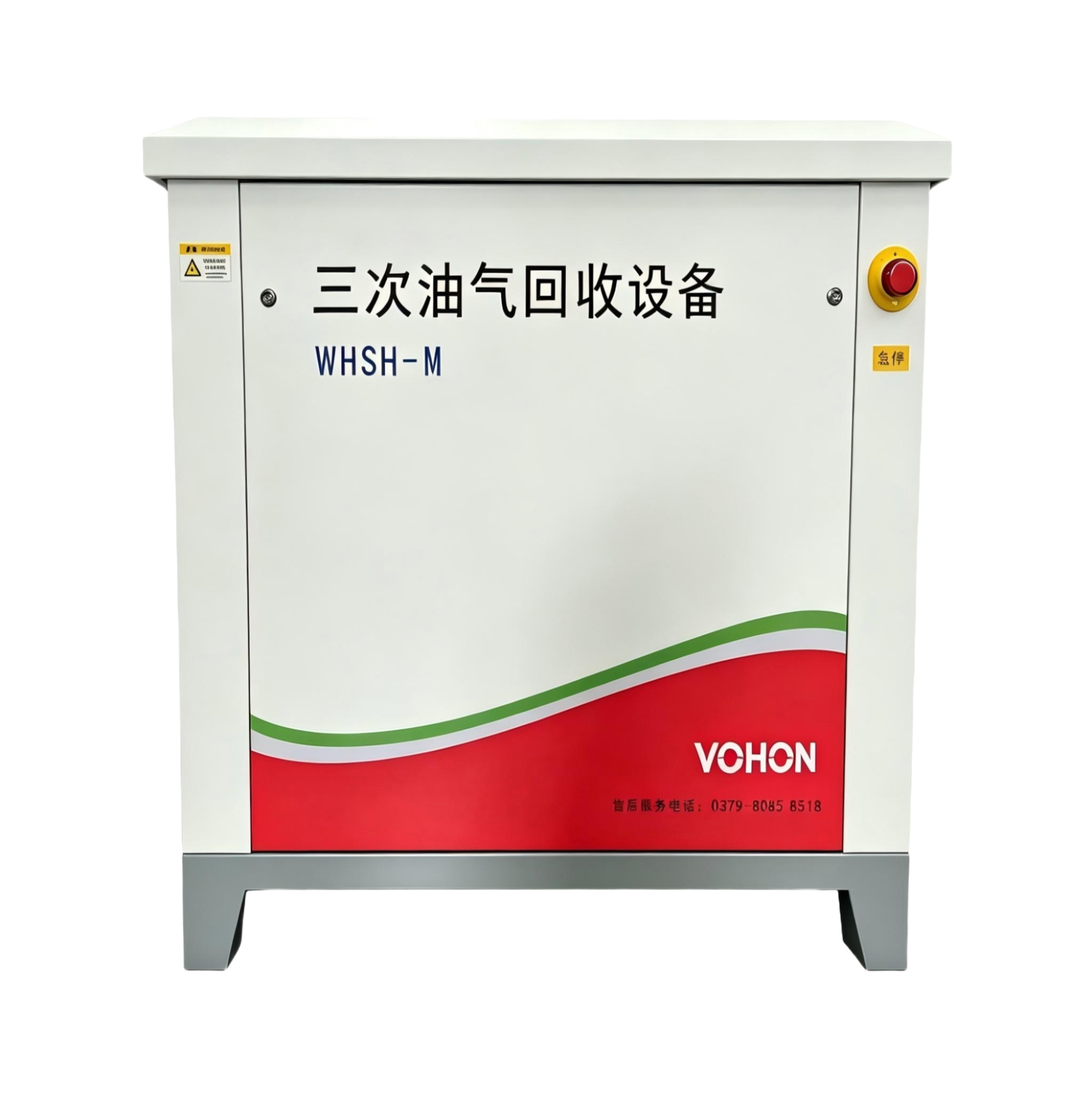
Comparison of three paths
| Processing path | Applicable scenarios | Implementation content |
|---|---|---|
| Local expansion and component replacement | The main body is in a decent state, but there is a lack of local capabilities | Expansion of heat exchanger capacity, replacement of seals and instruments |
| Additional upgrades in the process steps | The main body is usable, but the process no longer matches | Introduce membrane separation, adsorption, or buffering processes |
| Complete machine replacement or skid-mounted substitution | The equipment is outdated, fraught with hidden dangers, and uneconomical to renovate | Overall replacement, rapid operation through skid-mounted installation |
Implementation arrangements and precautions
The implementation of the renovation should be combined with the workshop maintenance window as much as possible. The work that can be prefabricated in the factory should be completed in advance, and the on-site work should mainly focus on pipe connection, wiring, and commissioning. The replacement plan should arrange for the dismantling of old equipment and the basic conditions for new equipment in advance to avoid any delay in the construction period. Regardless of the approach, it is recommended to conduct a performance follow-up after implementation to verify whether the goals have been achieved using actual operating data.
Frequently Asked Questions
How to determine whether to repair or replace?
Compare the investment required for continued maintenance with that for replacement, taking into account both the remaining useful life and the extent of hidden dangers. The evaluation report will present the investment, effectiveness, and implementation difficulties of both paths side by side for decision-making.
Should production be suspended during the renovation period?
Most renovations can be implemented in conjunction with maintenance windows or in batches, with prefabrication work completed in the factory first, and on-site work mainly focusing on connecting pipes and wires, while minimizing downtime.
Can the pipelines of old equipment still be reused?
Each section should be inspected. Intact pipe sections and valves can be included in the new plan for continued use, while sections that are rusted or do not meet current requirements should be itemized with reasons for replacement.
This article is compiled by Luoyang Wohong Petrochemical Equipment Co., Ltd. The company provides design and manufacturing, skid-mounted customization, installation and commissioning, as well as after-sales operation and maintenance services for three-time oil and gas recovery equipment to gas stations and oil depots. If you need on-site inspection or scheme configuration, please feel free to contact us for discussion.