Oil unloading is the period with the most concentrated emissions from gas stations: when tank trucks are unloading, the liquid level in the tank rises rapidly, and a large amount of oil vapor is forced out of the tank. The load borne by the collection system at this time is many times that during daily operation. If the control of oil vapor emissions during the unloading process is not strict, most of the unorganized emissions that occur throughout the day will happen during these twenty minutes.
The effectiveness of oil unloading and vapor recovery depends equally on equipment and operation. Factors such as whether the connections are properly made, whether the return valve is opened in the correct sequence, and whether the standing time is observed, all directly determine the actual emissions during this period. Solidifying operational points into a checklist and having the unloading personnel follow it is more reliable than verbal instructions.
What should be done before unloading oil
Preparations before oil unloading should be carried out in a fixed order: check the oil product and tank number to prevent oil mixing; inspect the quick connector seal rings of the unloading pipe and return pipe, and replace any that are aged or cracked on the spot; clamp the electrostatic grounding clip at the specified position on the tanker and confirm its conductivity; confirm with the liquid level gauge that the empty capacity inside the tank matches the incoming oil volume. These actions take less than ten minutes in total, but they prevent three types of risks: oil mixing, leakage, and static electricity, before the start of oil unloading.
When unloading oil on rainy days, take an extra look: The accumulated water around the oil unloading port will seep in through the connection. Ensure that the rain cover and cofferdam above the oil unloading port are intact. After connecting the port, conduct a visual inspection before opening the valve.
How to control during oil unloading
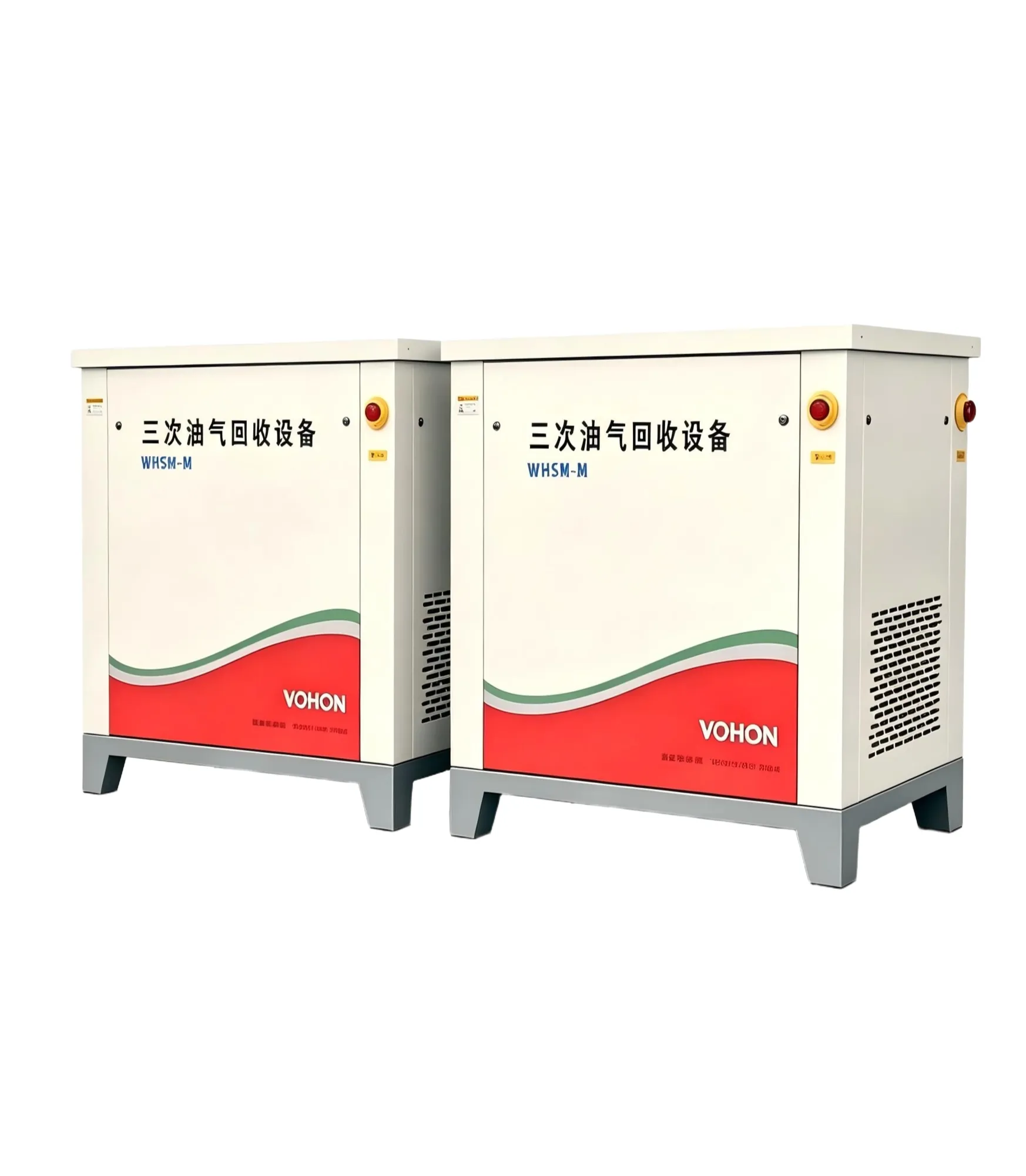
Someone must be present throughout the entire oil unloading process: any abnormal changes in flow rate and pressure, as well as any air leaks at the connections, must be closely monitored. The flow rate for immersed oil unloading should be controlled based on the tank capacity and pipe diameter. An excessively high flow rate can exacerbate oil and gas agitation, pushing up emissions. The return valve should be opened before the unloading valve is opened, and after unloading is complete, the oil valve should be closed first, followed by the gas valve. If the order is reversed, the positive pressure inside the tank can push oil and gas out through the connections.
During the oil unloading process, the management of the surrounding area should be synchronized: the refueling operation should maintain a safe distance from the oil unloading port, and unrelated vehicles and personnel should not linger in the unloading area. During periods when the concentration of oil and gas is already high, any laxity in managing sources of ignition will be magnified, so this level of control in the unloading area cannot be omitted.
How to wrap up after unloading oil
| link | key action | exception handling |
|---|---|---|
| Connection Interface | Check the sealing ring before docking | "Venting means replacing the gasket and reconnecting." |
| static grounding | Check conductivity at the specified position of the clamp | "Alarm without unloading oil" |
| Valve opening sequence | Open the return valve first, then the oil valve | Correct the sequence if it is incorrect |
| Oil unloading process | Keep a close eye on pressure difference and interface throughout the process | Stop the pump immediately in case of abnormality |
| Valve closing sequence | Close the oil valve first, then the gas valve | Record rectification in reverse order |
| Standing oil measurement | Measure the oil after standing for a certain duration | Working ahead of schedule is prohibited |
The standing time after unloading oil must be observed: the oil and gas inside the tank are still unstable, and it is risky to measure the oil or open the lid for inspection immediately. After the standing period, measure the oil, record the data, remove the grounding clamp, and reset each item. The time, oil product, quantity, and any abnormalities during the entire unloading process should be recorded in the unloading logbook. In case of abnormal emissions, the logbook serves as the primary material for tracing the working conditions.
How to handle abnormal situations
- If there is air leakage at the interface, immediately stop the pump, close the valve, replace the sealing ring, reconnect, and then disassemble;
- If the air return is not smooth, first check the bend and valve position of the air return pipeline, and do not blindly pressurize or discharge oil;
- If the tanker is found to be without an oil and gas recovery interface or with a damaged interface, refuse to unload and report the situation;
- During the oil unloading process, the unusual odor became significantly stronger. The operation was stopped for troubleshooting before resuming;
- If there is an electrostatic grounding alarm, do not start unloading oil until the cause is identified;
- After each abnormal situation is handled, a review is conducted, and the operation checklist is revised based on experience.
Frequently Asked Questions
Is it possible to save preparation time when the oil unloading time is tight?
It cannot be omitted. The inspection of the sealing ring and the confirmation of grounding take a few minutes combined, and the risks of oil mixing, leakage, and static electricity far outweigh the time saved by omitting them. If you are in a hurry, you should arrange for a car in advance, rather than trying to save time by omitting steps.
What should we do if the tanker doesn't cooperate with the oil and gas recovery?
The station's internal regulations should clearly state that tank trucks without recycling interfaces or with damaged interfaces will be refused to unload, and the distribution party should be notified to handle the situation. For individual drivers who are trying to save trouble, the station should rely on ledger records and assessment constraints. If the station can withstand such behavior once, the cooperation will be smoother in the future.
What is the reason for the significant decrease in return air volume?
First, inspect the liquid resistance and interface sealing of the return gas pipeline at this station, and then check if the return gas valve of the tanker is fully opened. For stations with persistently low return gas volume, arrange a pipeline liquid resistance inspection. Once the bottleneck is identified, the recovery efficiency can be significantly restored.
This article is compiled by Luoyang Wohong Petrochemical Equipment Co., Ltd. The company provides design and manufacturing, skid-mounted customization, installation and commissioning, as well as after-sales operation and maintenance services for three-time oil and gas recovery equipment to gas stations and oil depots. If you need on-site inspection or scheme configuration, please feel free to contact us for discussion.